
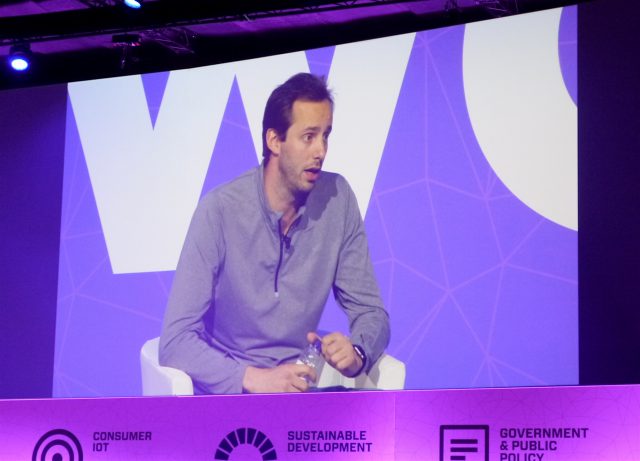
As we pull back the curtain on the rapidly evolving world of autonomous vehicles, few stories are as captivating—or controversial—as that of Uber’s self-driving program. At the heart of this narrative is Anthony Levandowski, co-founder of Otto, and a pivotal figure in Uber’s race to revolutionize transportation. Levandowski has been thrust into the spotlight, not only for his innovations but also due to serious allegations regarding intellectual property theft from his previous employer, Waymo. In this blog post, we’ll explore the implications of these developments, the challenges faced by Uber in the realm of self-driving safety and technology, and the broader context of autonomous vehicles in our society.
A Clouded Reputation: The Allegations Against Levandowski
The backdrop of Levandowski’s prominence at Uber comes steeped in controversy. Allegations stemming from his time at Waymo, where it’s claimed he downloaded thousands of sensitive documents before departing to establish Otto, have heightened scrutiny on Uber’s operational ethics. The stakes are high, especially for a company that has positioned itself as a leader in automated vehicle technology since acquiring Otto for a staggering $680 million.
Despite the seriousness of these accusations, Levandowski faced inquiries during a recent Mobile World Congress session that seemed to avoid the elephant in the room. Instead of addressing the potential ramifications of such misconduct, discussions hovered around concepts of security and public comfort with autonomous technology. Questions that exposed flaws in Uber’s strategy—specifically regarding safety and regulatory interactions—were conspicuously absent. This protective approach raises additional concerns—how effectively can a company innovate under a cloud of ethical ambiguity?
Security and Safety: The Core of Autonomous Driving
Safety and security issues are paramount in any discussion about autonomous vehicles. The dynamic between innovation and consumer safety is delicate; as we look to the future, it is critical to ensure these technologies protect rather than jeopardize public wellbeing. During his interview, Levandowski suggested that Uber implements layered security measures to mitigate risks in their autonomous systems. However, the lack of rigorous scrutiny regarding the effectiveness of these layers does lead us to question their adequacy.
Significant events have already raised alarms regarding Uber’s self-driving cars—including incidents where these vehicles have been implicated in traffic violations. A notorious occurrence was when an Uber self-driving car ran a red light in San Francisco, initially attributed to human error, only to later be reported as operating under autonomous mode at the time. Such incidents serve as reminders that while the technology has potential, it requires robust oversight and rigorous testing to ensure safety on the roads.
Public Sentiment: The Challenge of Building Trust
The integration of autonomous technologies isn’t merely a tech issue; it’s also a social challenge. Gaining public trust is intrinsically linked to the willingness of consumers to embrace self-driving technology. During the Mobile World Congress, Levandowski was posed with the question of how Uber could make people feel comfortable about using autonomous vehicles. This soft approach to such a critical topic signals a broader evasion of the pressing safety concerns associated with self-driving initiatives.
To create a foundation of trust, companies must foster transparency—addressing not only the successes but also the failures and ongoing challenges as they innovate. If awareness and conversations around safety are overlooked, companies risk unnecessary backlash when incidents inevitably occur.
The Broader Picture: Autonomous Vehicles in Context
As we navigate through these turbulent waters of self-driving technology, it’s essential to view Uber’s situation within the larger timeline of autonomous vehicle progress. Autonomous technologies present incredible opportunities for reshaping urban mobility, but their rollout should not come at the expense of safety and public confidence. Current safety regulations exist for a reason: they balance innovation with the wellbeing of the population.
Moreover, looking back to the evolution of mobile technology, as Levandowski alluded to, we must recognize that the stakes involved in self-driving cars are markedly different from those in mobile phones. The consequences of a single failure in an autonomous vehicle can lead to loss of life, contrasting significantly with the inconveniences seen in tech rollouts such as smartphones.
Conclusion: A Path Forward for Autonomous Technology
The future of self-driving technology is bright, filled with potential that could significantly alter transportation as we know it. However, the journey forward must include earnest discussions about safety, ethics, and the importance of building trust with consumers. The complexities of the current landscape—marked by legal disputes, regulatory challenges, and the demand for innovation—suggest an urgent need for accountability and robust safety protocols.
At fxis.ai, we believe that such advancements are crucial for the future of AI, as they enable more comprehensive and effective solutions. Our team is continually exploring new methodologies to push the envelope in artificial intelligence, ensuring that our clients benefit from the latest technological innovations. For more insights, updates, or to collaborate on AI development projects, stay connected with fxis.ai.