
As we stand on the brink of a technological revolution, the prospect of the singularity looms large, bringing with it intriguing questions about the future of work, privacy, and human-machine interaction. The advancements in artificial intelligence, automation, and 3D printing have sparked debates about their potential to create a new world or disrupt the old one. Are we heading towards a utopia where humans are freed from mundane tasks, or should we brace ourselves for a dystopian future dominated by machines? This blog delves into the funny, often contradictory realities that surround us as we journey toward this singular moment.
3D Printing: A Job Creator or Destroyer?
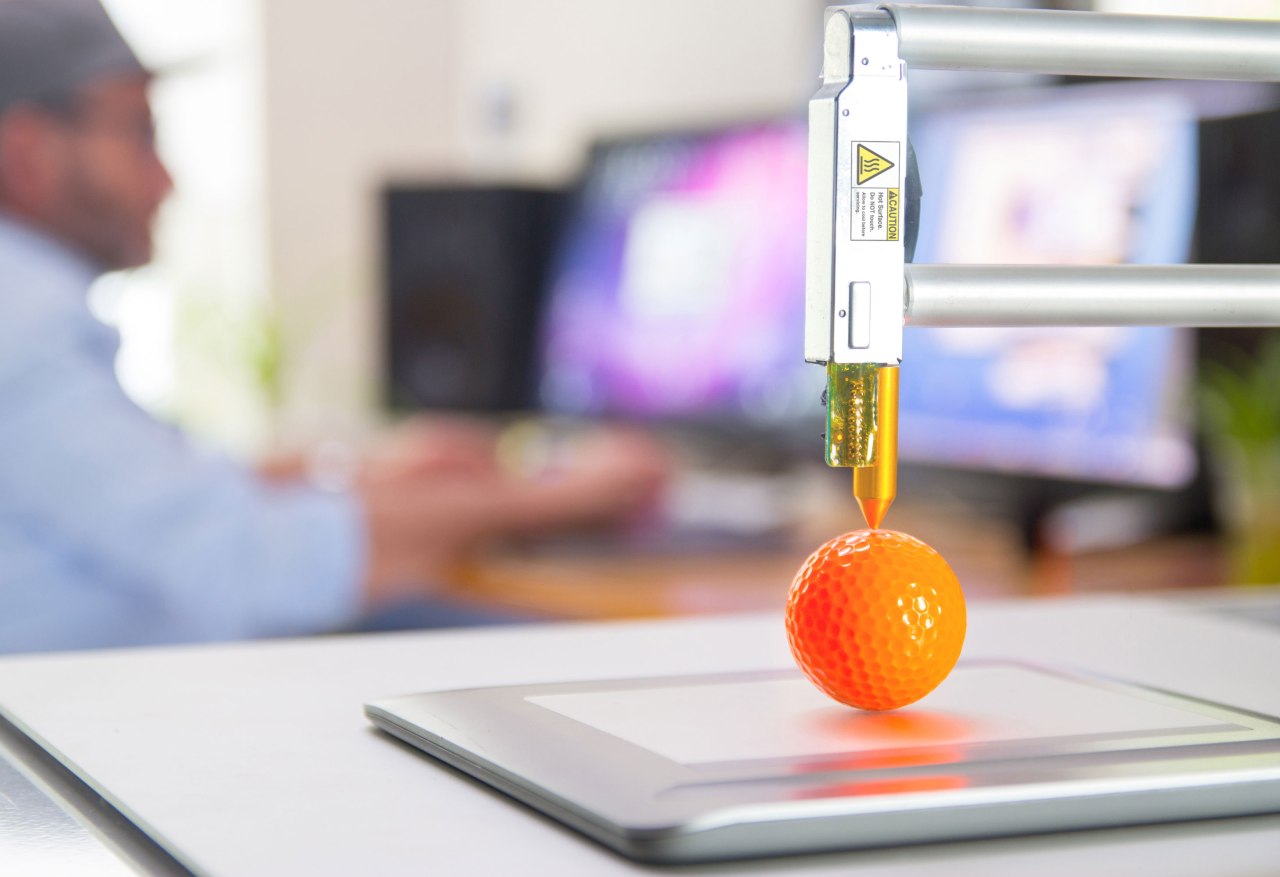
The dawn of 3D printing has stirred conversations about its impact on jobs. While some herald it as a job creator, the prevailing sentiment suggests that it may lead to more job losses than gains. This is a recurring theme with emerging technologies. For those industries reliant on traditional manufacturing, 3D printing represents an efficiency wave that threatens existing jobs. Yet, it also opens the door to innovative roles in design and tech development for the future.
Understanding the Singularity: Possibilities and Perceptions
Ray Kurzweil’s prediction of the singularity by 2045 has fueled widespread fascination and concern. Most people frame this phenomenon in two contrasting narratives: the fear of malevolent machines versus the optimism of AI taking over mundane tasks allowing humanity to pursue more creative endeavors. Are we trapped in a race against time, or can we steer the course of technology’s influence on work?
The Era of Transparency: Risks and Rewards
Technological advancements are also blurring the lines of personal privacy. As algorithms gain the capability to dissect and predict based on data inputs, the age-old conflict between privacy and transparency intensifies. The ability of law enforcement to predict crimes could offer safety, but at what point does this lead to entrapment? The conversation surrounding data ethics is as vital as ever — our personal information can propel innovation, yet it may also expose us to risks.
Autonomous Vehicles: A Glimpse of the Future
- With the rise of self-driving cars, the transportation sector may soon face unprecedented disruptions.
- Could these innovations enhance safety, or will they lead to less accountability on the road?
As companies like Tesla showcase the potential for autonomous driving, the implications for employment in trucking and transportation industries become clearer. While these changes promise efficiency, they also provoke essential questions about human roles in the face of automation. How do we transition the workforce while still supporting the people behind these jobs?
Preparing for the Inevitable Transition
The confluence of technology and labor is creating a landscape where education and training are paramount. If jobs evolve or vanish altogether, adapting to change with suitable skills will become critical for workforce resilience. Concepts like Universal Basic Income (UBI) are surfacing as potential solutions to this impending crisis, ensuring economic stability in an unpredictable world.
Conclusion: Charting the Course Ahead
As we tread deeper into the age of singularity, the need for comprehensive strategies and planning becomes urgent. While the future brims with uncertainty, it is essential to approach these changes with a balance of optimism and vigilance. Embracing technology ethically could yield benefits for society, while failing to adapt could spell chaos. Together, we can navigate this intersection of innovation, transparency, and human dignity, ensuring our humanity is not lost in the hustle toward a singular future.
For more insights, updates, or to collaborate on AI development projects, stay connected with fxis.ai.
At fxis.ai, we believe that such advancements are crucial for the future of AI, as they enable more comprehensive and effective solutions. Our team is continually exploring new methodologies to push the envelope in artificial intelligence, ensuring that our clients benefit from the latest technological innovations.