
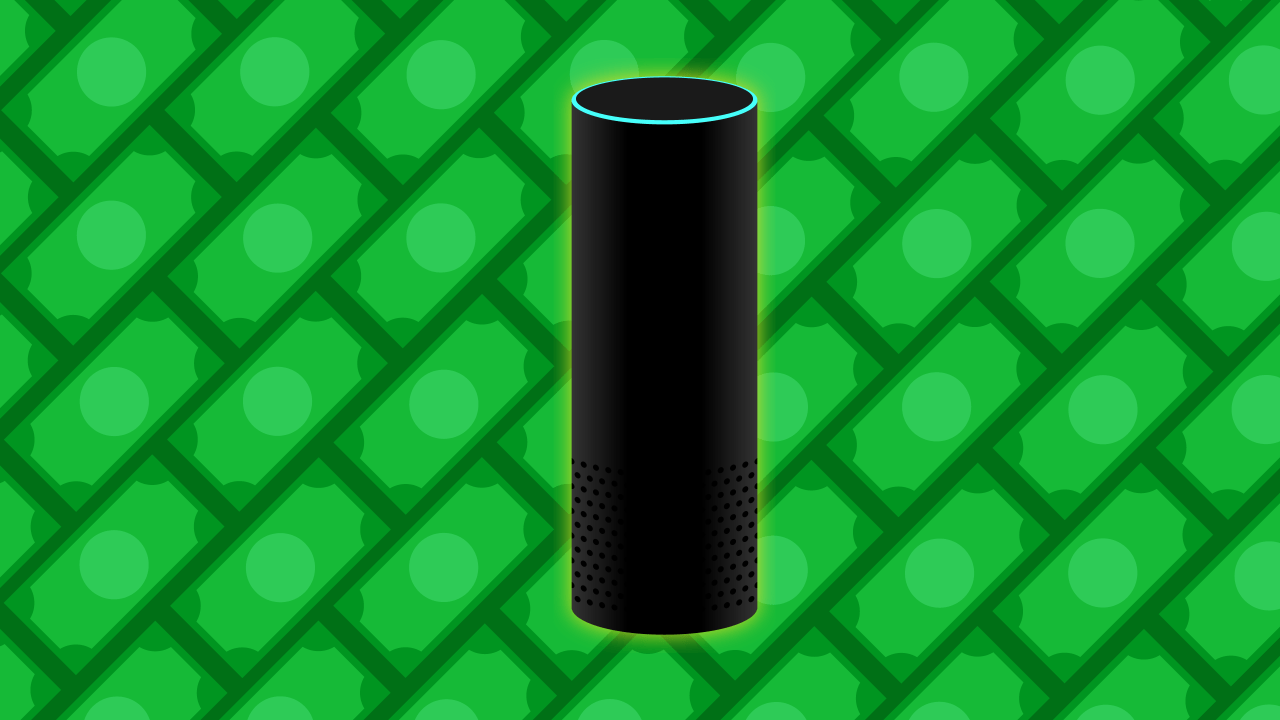
In the ever-evolving narrative of smart home technology, Amazon holds a significant chapter. Known for its innovative devices and services, the company has used hardware not just as an end, but as a strategic means to deepen its customer base and encourage ecosystem development. With the Amazon Echo line leading the charge, the company has not only captivated consumers but has also embarked on a mission to widely integrate Alexa into everyday life, leveraging third-party collaborations to amplify its reach.
From Hardware to Home Hub: Amazon’s Journey
Amazon’s foray into hardware can be traced back to devices like the Kindle and Fire tablets, where competitive pricing was paramount. The company’s strategy has often involved marketing these products at or near cost, betting on future revenue streams from its vast array of services and content. When we look at the Echo line, the story is no different. What started as a desktop assistant for casual queries has now evolved into a pivotal component of the connected home.
Seeing Farther: The Unexpected Success of the Echo
The market response to Echo devices surpassed all expectations, including Amazon’s own. Although the company keeps its sales figures tightly guarded, reports indicated that sales during peak seasons skyrocketed, showcasing the Echo’s ability to resonate with consumers. Many users were drawn in not just for Alexa’s smart capabilities, but for the seamless integration of home tasks, from music playback to controlling smart home devices.
Engaging Third Parties: A Strategic Move
A significant shift in Amazon’s approach came when it began actively courting third-party hardware manufacturers. This not only opened doors for broader Alexa integration but also transformed the assistant from a mere feature to a lifestyle essential. The introduction of development kits, like the recent partnership with Conexant to produce the AudioSmart Development Kit, exemplifies Amazon’s commitment to allowing manufacturers to easily adopt Alexa’s voice functionality into their own products.
- Ecobee’s Collaboration: A prime example is Ecobee, known for its intelligent thermostat. By integrating Alexa, the company is moving beyond traditional voice-activated commands, transforming its thermostat into an Alexa surrogate. This pivot shows a profound commitment to embedding Alexa within the very frameworks of everyday appliances.
- Investment in Innovation: Such partnerships often come paired with financial backing, as seen with Ecobee receiving $35 million from the Alexa Fund, aimed at creating voice-centric experiences. This investment is crucial for accelerating innovation within the smart home landscape.
The Growing Ecosystem: A Home for Alexa
Reports suggest that by 2020, Alexa could be present on around 128 million devices, a staggering number that underscores the momentum building behind Amazon’s initiative. Unlike competitors like Siri or Google Assistant, Alexa has not only been confined to smartphones; it’s transcended into a variety of products, marking significant growth in adoption. What began as a clever home assistant has now transformed into an integrated voice infrastructure seamlessly woven into daily life.
The Road Ahead: A Shifting Landscape
As Amazon continues to push Alexa’s boundaries beyond standalone Echo devices, they are crafting a future where voice control is omnipresent in homes. This notion of “planned obsolescence” doesn’t imply a lack of interest in the Echo line; rather, it indicates a strategic shift towards embedding voice assistance into the fabric of everyday devices. As such devices multiply, users may find less need for dedicated Echo devices, further solidifying Alexa as an integral part of their lives.
Conclusion: Implications for the Smart Home Future
By effectively leveraging partnerships to expand its ecosystem, Amazon not only secures its lead in the smart home race but also heightens the competitive pressure on Apple and Google. The work done to integrate Alexa into various third-party devices lays a foundation for tomorrow’s connected homes. As consumers gravitate towards products that enhance their living environments, the symbiotic relationship between Amazon and hardware makers will undoubtedly shape the future.
At **[fxis.ai](https://fxis.ai/edu)**, we believe that such advancements are crucial for the future of AI, as they enable more comprehensive and effective solutions. Our team is continually exploring new methodologies to push the envelope in artificial intelligence, ensuring that our clients benefit from the latest technological innovations. For more insights, updates, or to collaborate on AI development projects, stay connected with **[fxis.ai](https://fxis.ai/edu)**.