
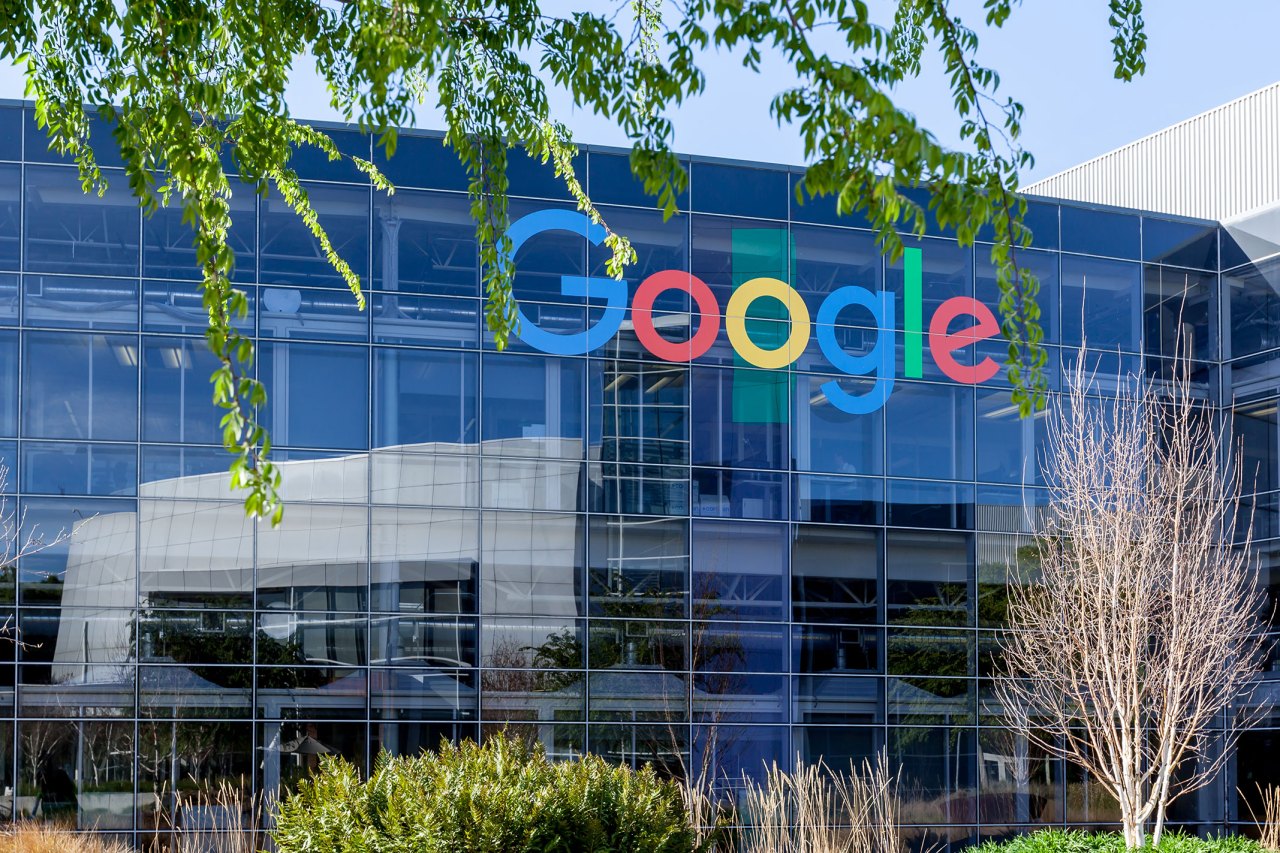
In the evolving landscape of artificial intelligence, technology companies grapple with ethical considerations and the implications of their innovations. A tumultuous chapter unfolded recently when Google decided to disband its Advanced Technology External Advisory Council (ATEAC), which was meant to provide a informed viewpoint on AI principles. The controversy arose primarily due to the inclusion of Kay Coles James, a prominent figure from the Heritage Foundation whose views are considered divisive, suggesting the complexities at play when balancing diverse opinions within tech ethics.
The Birth of ATEAC
Launched with lofty ambitions in March 2019, ATEAC was set to address pressing dilemmas surrounding AI technologies, such as fairness in machine learning and the ethical implications of facial recognition systems. Formed with an eclectic mix of experts from academia and technology, the board aimed to cultivate a multitude of perspectives on crucial matters. However, it was the appointment of James that ignited a firestorm of criticism, leading to a swift reevaluation of the council’s viability.
A Dissonant Voice in a Progressive Ecosystem
While diverse perspectives are essential in advisory settings, the resistance to James’ inclusion highlighted the tension between ideals of diversity and the reality of accepting viewpoints that some might consider harmful. Critics, including a coalition of Google employees, expressed frustration that her presence on the panel seemed to legitimize her controversial stances on social issues, immigration, and climate change. With nearly 2,400 employees signing a petition to remove her from the council, the outcry illustrated a growing expectation for tech companies to uphold certain ethical standards in their decision-making.
The Backlash and Fallout
The response to ATEAC’s formation transcended corporate boundaries, sparking broader discussions about free speech and accountability in technology. Several panel members found themselves in a precarious position, justifying their participation alongside James while worrying about the implications of their endorsement. While some argued that their presence could promote dialogue, others, like Alessandro Acquisti, opted out, suggesting that the council had already lost its credibility before even beginning.
A Decision to Disband: A Reflection on Ethics in AI
In less than ten days following its launch, Google decided to pull the plug on ATEAC. Their statement, which acknowledged the challenging environment, indicated a realization that the council had become a source of distraction rather than a constructive platform for discourse. As organizations navigate the intricacies of AI ethics, the need for deliberation and accountability has never been greater. The cancellation of ATEAC sparks a critical question: how can tech leaders effectively integrate diverse perspectives without crossing ethical thresholds?
The Path Forward: Learning from Google’s Experience
As we forge ahead in the realm of AI, prioritizing thoughtful discussions around ethics is paramount. This experience serves as a reminder that diversity must be coupled with a clear commitment to upholding shared values. It opens up avenues for tech companies to rethink how they engage with the public and stakeholders, finding balanced ways to include differing viewpoints without endorsing harmful ideologies.
Conclusion: The Ethical Landscape of Artificial Intelligence
The tumultuous path that led Google to disband its AI ethics council unveils broader implications for the tech industry. As companies innovate, they must strive towards accountability and transparency, ensuring that their governing bodies reflect not just diversity but a cohesive ethical framework. At fxis.ai, we believe that such advancements are crucial for the future of AI, as they enable more comprehensive and effective solutions. Our team is continually exploring new methodologies to push the envelope in artificial intelligence, ensuring that our clients benefit from the latest technological innovations.
For more insights, updates, or to collaborate on AI development projects, stay connected with fxis.ai.