
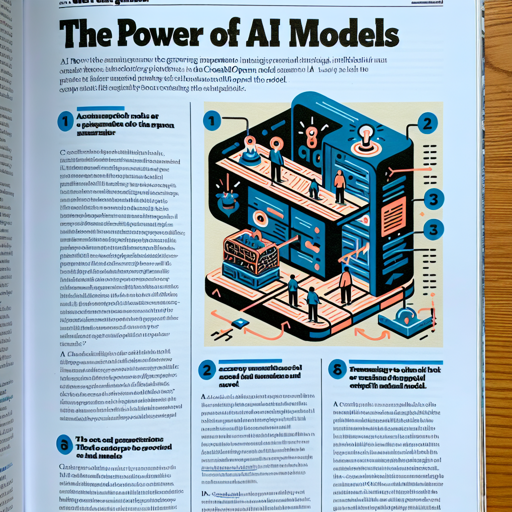
In a world increasingly defined by artificial intelligence, mastering the use of AI models has never been more pertinent. Today, we’re diving into the realm of a particular AI model, allowing you to explore its capabilities and functionalities.
Getting Started with the AI Model
This model is part of the CreativeML OpenRail, which emphasizes groundbreaking advancements in AI design and development. By following this guide, you will learn step-by-step how to harness the power of this model effectively.
Steps to Use the AI Model
- Step 1: Access the model through the designated platform, ensuring you’re logged in to your account.
- Step 2: Familiarize yourself with the documentation provided on the platform, which outlines the features and specifications of the model.
- Step 3: Experiment with the input parameters to see how the model responds. Don’t hesitate to try different settings!
- Step 4: Analyze the outputs generated by the model to understand its decision-making process.
- Step 5: Save your preferred setups for future projects or developments.
Understanding the Code: An Analogy
Let’s imagine the AI model as a sophisticated coffee machine designed to brew the perfect cup of coffee tailored to individual preferences. Each input you provide (like type of coffee bean, strength, and duration) affects the final flavor of your brew.
Now, consider this analogy through the lens of programming code:
def brew_coffee(bean_type, strength, duration):
    boil_water()
    add_coffee_grounds(bean_type)
    steep(strength, duration)
    serve()
In this example:
- brew_coffee: This is the main function, akin to placing your order at the coffee shop.
- bean_type, strength, duration: Input parameters that dictate how the coffee will taste, similar to adjusting settings on the AI model.
- boil_water(), add_coffee_grounds(bean_type), steep(strength, duration), serve(): Each of these functions corresponds to actions taken by the coffee machine to achieve the desired outcome.
Troubleshooting Tips
Despite our best efforts, we may encounter issues along the way. Here are some common troubleshooting techniques:
- Issue: Model output doesn’t meet expectations.
Solution: Review the input parameters and adjust them as needed. Sometimes, small tweaks can lead to vastly different outcomes. - Issue: Difficulty accessing the platform.
Solution: Check your internet connection or try accessing from a different browser. - Issue: Unfamiliarity with features.
Solution: Don’t hesitate to consult the documentation or seek assistance from community forums.
For more insights, updates, or to collaborate on AI development projects, stay connected with fxis.ai.
Conclusion
By exploring and utilizing AI models, you are stepping into a dynamic universe brimming with possibilities. Each experiment with different settings enhances your understanding and opens up new pathways for innovation in your projects.
At fxis.ai, we believe that such advancements are crucial for the future of AI, as they enable more comprehensive and effective solutions. Our team is continually exploring new methodologies to push the envelope in artificial intelligence, ensuring that our clients benefit from the latest technological innovations.