
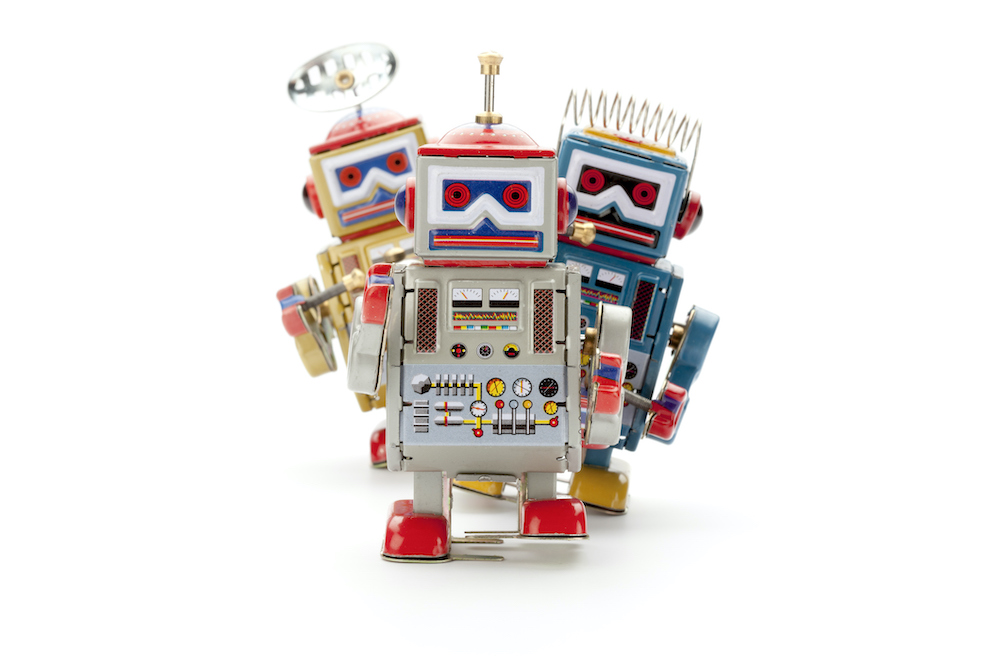
Back in the day, we had high hopes for the dawn of an era characterized by robots seamlessly integrating into our daily lives. The world imagined was vibrant with autonomous driving, automated food preparation, advanced home care, and digital assistants who could handle almost any task thrown their way. However, fast forward to today, and the reality is starkly different. Instead of WALL-E and R2-D2, we find ourselves with email filters and Facebook ads that seem tailor-made to annoy us. So, where are all the robots we were promised?
Setting the Foundation: Understanding Robotics’ Evolution
Robotics is not a novel concept. The foundation of robot technology can be traced back to the 1970s with the advent of industrial robots, particularly articulated arms capable of performing repetitive tasks in tightly controlled environments like manufacturing plants. Major corporations emerged from this wave, leveraging these machines for high-payload applications with astonishing precision. Companies like FANUC and KUKA defined the landscape of factory automation, crafting potent systems that handled high-volume production.
Beyond the Factory: Why Can’t Robots Leave Controlled Settings?
The truth is that while we see these marvels in settings such as automotive plants and even in surgical suites, the scope of their operations remains significantly limited. The issue lies within how these robots were designed – they excel in controlled environments but falter when faced with unpredictable variables. This limitation hinders us from realizing the vision of robots revolutionizing everyday tasks in our homes and communities.
The Core of the Problem: Cognitive Limitations in Robotics
At the heart of the matter is a fundamental distinction between human cognition and robotic decision-making. Current robots, primarily driven by machine learning algorithms, rely heavily on pattern recognition rather than genuine understanding or adaptability. This results in a critical flaw: if a robot encounters a situation it hasn’t been explicitly trained for, it struggles to make a decision.
- Industrial robots thrive on repetitive tasks but break down in dynamic scenarios.
- Surgical robots may enhance precision but still depend on human guidance.
- Consumer-facing robots face heightened unpredictability in home settings, from vacuuming to lawn care.
Rethinking Robotics: The Human Augmentation Approach
Rather than striving for full autonomy, companies like Ripcord and Kiwi Robotics showcase a paradigm shift – optimizing human capabilities rather than replacing them. For instance, Ripcord specializes in automating the digitization of physical documents, but it hinges on human oversight for edge cases. Similarly, Kiwi Robotics integrates human operators into its food delivery systems, allowing operators to intervene and correct paths when necessary. This approach underscores a more realistic and productive way forward in robotic development.
Addressing the Economic and User Experience Challenges
Investing in robotic solutions requires a discerning approach to economics and user experience. It’s critical to shift away from labor replacement rhetoric and embrace a model that focuses on enhancing human productivity. From selling solutions before developing them to rethinking unit economics, robotics companies can ensure that their offerings meet real market needs. A strong user experience also becomes pivotal, as keeping human operators as the focal point in design will yield better results no matter how robust the technology is.
The Path Forward: Opportunities in Robotics
To see robots flourish in day-to-day life, several avenues are promising:
- Manufacturing Automation: Enhanced technology and integration of autonomous elements can transform existing systems.
- Semi-Autonomous Solutions: Companies can focus on supporting human operators in settings where unpredictability is common.
- B2B Specific Solutions: Robotics can thrive by solving specific problems for targeted industries rather than attempting to appeal to general consumer markets.
Conclusion: The Road Ahead for Robotics
While the promise of a robot-filled future remains tantalizingly out of reach, it is still attainable with the right mindset and strategies. Embracing human-robot collaboration, focusing on specific needs, and understanding the nuances of robotics can drive innovation and implementation where it matters most. As we pave our journey into the robotics frontier, it’s essential to remain adaptable and centered on human interaction. This innovative spirit could be the catalyst we need to finally bring robots into our everyday lives.
At fxis.ai, we believe that such advancements are crucial for the future of AI, as they enable more comprehensive and effective solutions. Our team is continually exploring new methodologies to push the envelope in artificial intelligence, ensuring that our clients benefit from the latest technological innovations. For more insights, updates, or to collaborate on AI development projects, stay connected with fxis.ai.