
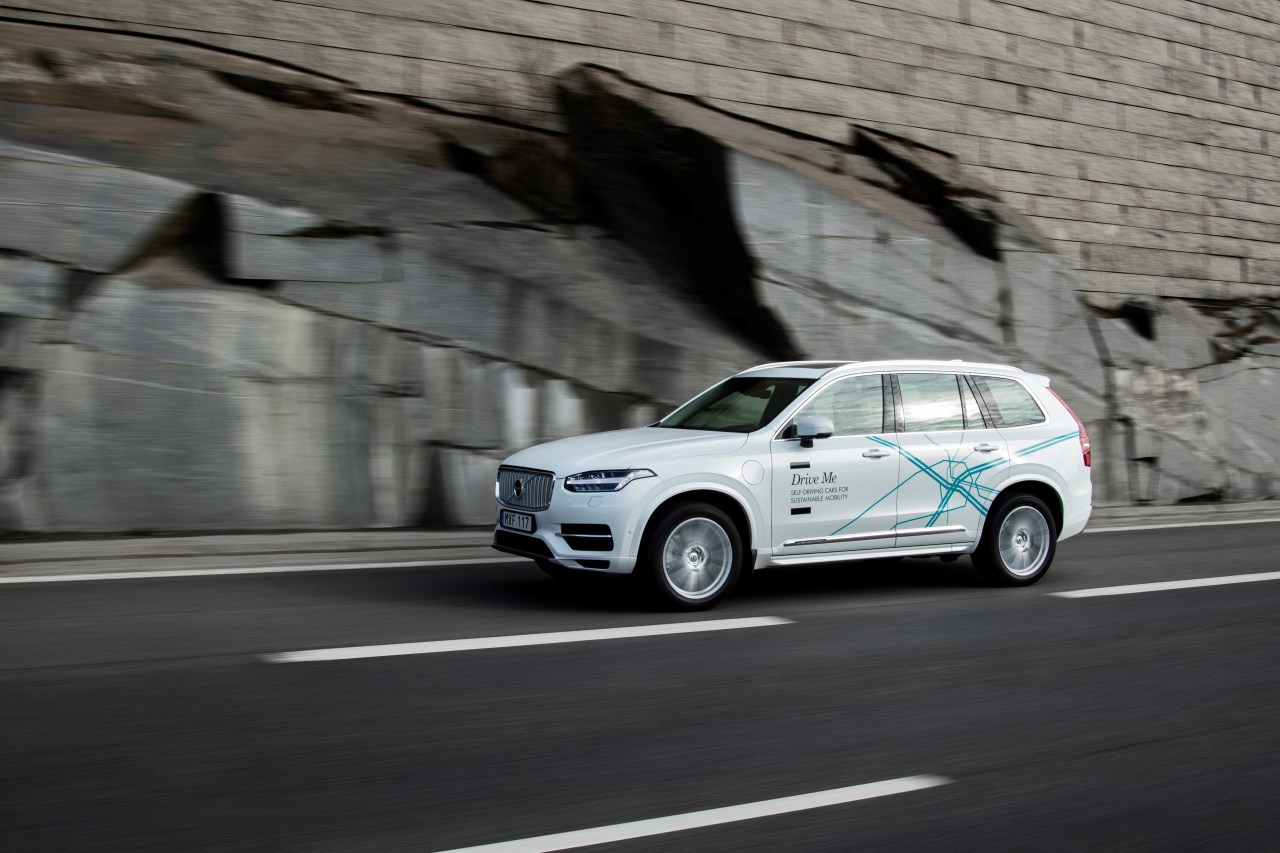
The dawn of self-driving technology is upon us, and no company embodies this shift better than Volvo. That’s why they approached the introduction of their autonomous vehicles with a unique strategy – a decision born from an understanding of human behavior on the road. In a world where the first wave of autonomous vehicles will likely encounter a mix of excitement and skepticism from human drivers, Volvo has decided to keep its self-driving SUVs unmarked during their initial rollout in London. Let’s take a closer look at the rationale behind this bold move, its implications for the future of autonomous vehicles, and what it reveals about human interaction with machine intelligence.
Understanding Human Psychology
Volvo’s decision is a fascinating insight into human psychology and driver behavior. As articulated by Erik Coelingh, the senior technical lead at Volvo, there exists a tangible fear that human drivers might intentionally provoke and challenge self-driving cars. This is not merely paranoia; research supports the notion that some drivers perceive autonomous vehicles as vulnerable targets. They may feel emboldened to engage in risky or aggressive behavior, leading to potentially dangerous situations on the road.
The Case for Unmarked Self-Driving Cars
By choosing to leave their self-driving cars unmarked, Volvo aims to minimize the chances of these aggressive behaviors. It’s a tactical approach that seeks to reduce the likelihood of human drivers treating these vehicles as easy prey. Rather than standing out as robot cars on the highway, the autonomous SUVs will blend in as yet another part of the urban traffic landscape. This could foster a more organic interaction between humans and machines, allowing for a smoother transition into broader acceptance of self-driving technology.
The Social Experiment
This strategy can be viewed as a social experiment of sorts. In a city like London, where drivers often mix, the behavior observed towards these vehicles could provide valuable insights into the evolving relationship between humans and autonomous systems. As these cars complete their test phases, the data accumulated will not only inform their operational algorithms but could also shape public policy around autonomous vehicle deployment.
Learning from the Experience
The introduction of self-driving cars is not just a technological advancement; it is a monumental societal shift. If we think broadly, the notion that self-driving vehicles can learn—potentially identifying aggressive drivers—opens new avenues in automotive safety, insurance, and urban planning. If the machines can recognize bad behaviors and adjust their driving based on this data, it may ultimately push for more responsible commuting behaviors among human drivers.
Looking Ahead: The Future of Autonomous Vehicles
As we continue to explore the revolutionary potential of autonomous driving, Volvo’s cautious approach serves as an enlightening case study. By trialing unmarked vehicles, the auto giant isn’t just testing technology; they are paving the way for a more harmonious coexistence between human and machine on our streets. The implications of their findings could spur a rethinking of how self-driving technology is integrated into urban environments, ensuring safety is paramount during this transition.
Conclusion
Volvo’s decision to keep its self-driving vehicles unmarked speaks volumes about our preparedness for this new automotive age. The choices made today will shape how society embraces and interacts with advanced technologies in the future. As we look forward to this exciting era of transportation, the need for a respectful, understanding interaction between humans and their mechanical counterparts has never been more pertinent.
At **[fxis.ai](https://fxis.ai/edu)**, we believe that such advancements are crucial for the future of AI, as they enable more comprehensive and effective solutions. Our team is continually exploring new methodologies to push the envelope in artificial intelligence, ensuring that our clients benefit from the latest technological innovations.
For more insights, updates, or to collaborate on AI development projects, stay connected with **[fxis.ai](https://fxis.ai/edu)**.