
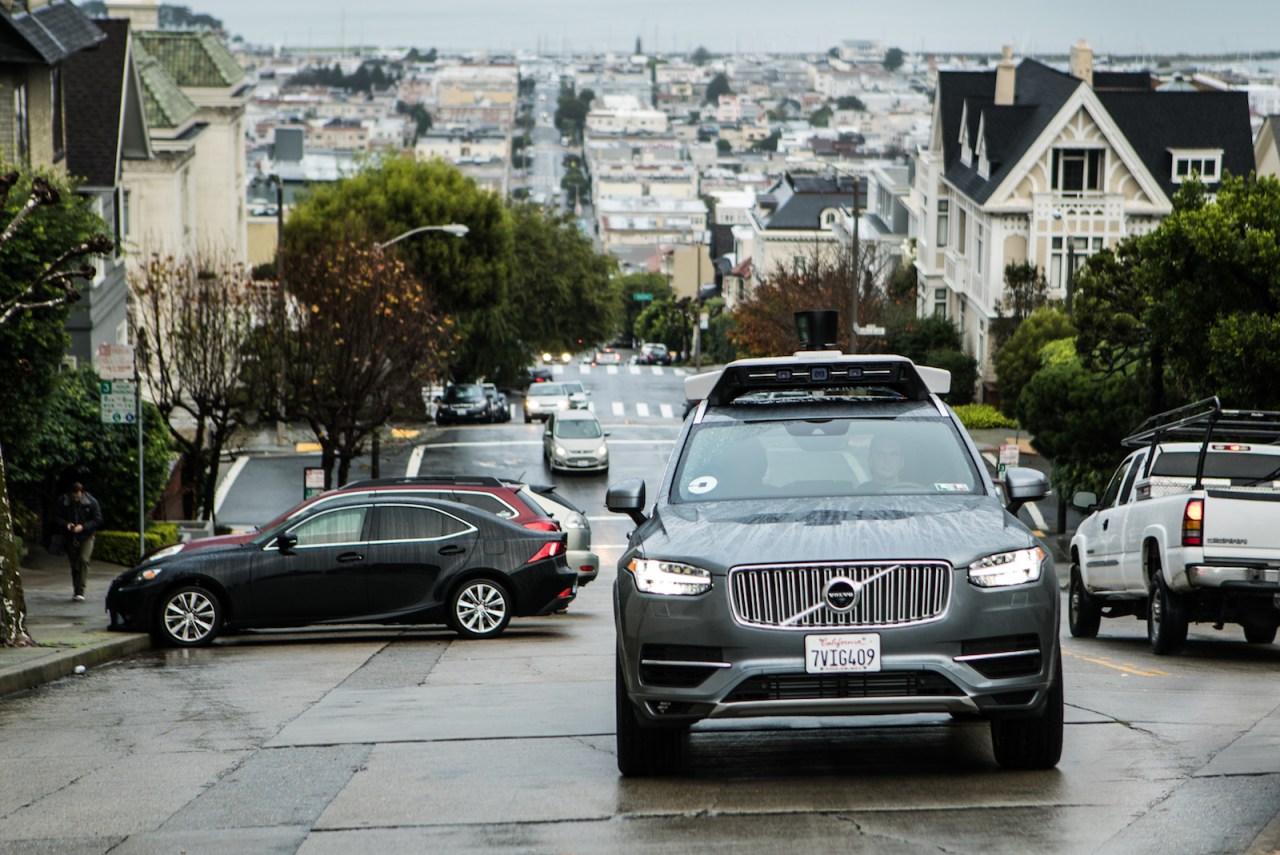
After a temporary halt, Uber’s autonomous fleet is once again hitting the roads of San Francisco. This development marks a critical moment in the evolution of self-driving vehicles, reflecting both challenges and opportunities for the company. Uber’s decision to resume testing comes on the heels of an accident involving one of its vehicles in Arizona, highlighting the ongoing risk and responsibility that accompany advancements in autonomous technology.
A Brief Overview of the Incident
On the day of the accident in Arizona, Uber swiftly grounded its entire autonomous fleet across the U.S., including 12 vehicles in Pittsburgh, and took a cautious approach with its testing in San Francisco. This decision underscores the company’s commitment to safety, as they awaited the outcome of an investigation into the event. Notably, a local police report indicated that the fault lay with a human driver who failed to yield, sparaging concerns about Uber’s self-driving technology.
The Road to Recovery: Confidence in Safety
Uber has resumed its self-driving tests in San Francisco, revealing that the vehicles being tested there are in a different stage of development than those in other cities. This disparity illuminates Uber’s strategy to ensure that safety remains a priority while gradually moving forward in autonomous vehicle technology. In fact, two autonomous vehicles are currently operating with human drivers seated alongside to monitor and take over control if necessary, fostering a blend of innovation and precaution.
Learning from Past Mistakes
- Uber’s initial grounding of its fleet serves as a critical learning experience.
- Previous criticisms highlighted operational lapses, such as running a red light. However, Uber contends that the vehicle was not in autonomous mode during that incident.
- Continued transparency and accountability in their testing protocols may prove beneficial for public confidence.
The Bigger Picture: Cultural Challenges and Industry Criticism
As Uber navigates its way back onto the streets, it also faces broader cultural issues within the company. Allegations of sexism and a toxic work environment have raised significant concerns about its leadership and vision. President Jeff Jones’ recent departure adds a layer of uncertainty to the company’s path. It is evident that for Uber to move forward, a dual approach of technological advancement combined with internal reform may be necessary.
Future of Autonomous Vehicles
The resurgence of Uber’s self-driving fleet raises critical questions about the future of autonomous technology. Companies worldwide are investing heavily in this area, with competitors also facing their own trials and tribulations. For consumers, the anticipation of a safe, efficient self-driving experience remains high, and companies must balance innovation with safety to meet these expectations.
Conclusion: Preparing for a Road Ahead
As Uber’s autonomous test cars return to San Francisco, we witness a delicate dance between progress and caution. The incident in Arizona serves as a reminder of the complexities involved in developing cutting-edge technologies, while the internal struggles spotlight the need for a strong, inclusive organizational culture. By prioritizing safety, transparency, and corporate responsibility, Uber can refocus its ambitions and potentially lead the charge in the future of transportation.
At fxis.ai, we believe that such advancements are crucial for the future of AI, as they enable more comprehensive and effective solutions. Our team is continually exploring new methodologies to push the envelope in artificial intelligence, ensuring that our clients benefit from the latest technological innovations.
For more insights, updates, or to collaborate on AI development projects, stay connected with fxis.ai.