
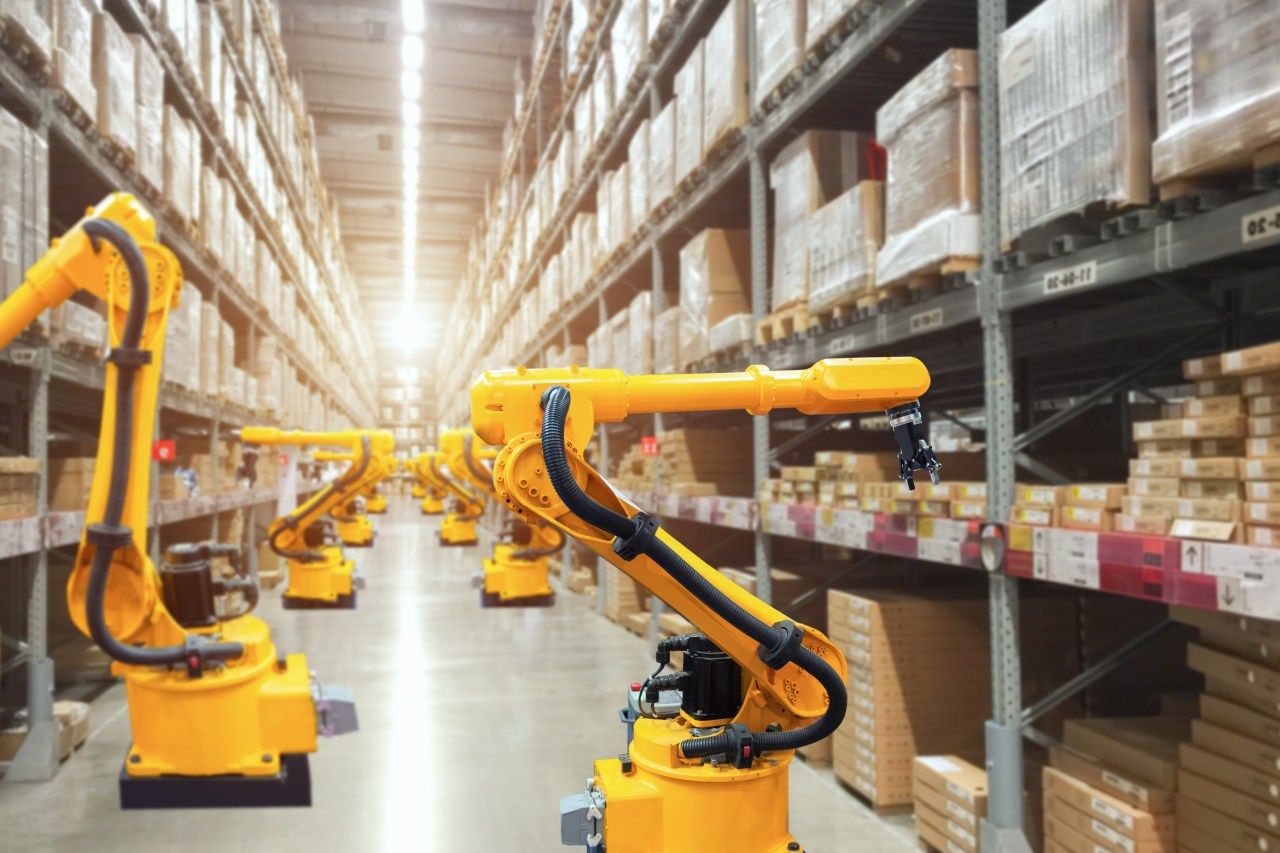
In a world where efficiency is the name of the game, the manufacturing and warehouse sectors are evolving faster than ever, thanks in large part to the proliferation of robotics and automation technologies. Gone are the days when such innovations were confined to theoretical discussions; we are witnessing a seismic shift as small suppliers and industry giants alike, including Amazon and Walmart, integrate advanced robotics into their operations. With venture capitalists (VCs) actively pouring funds into this space, it’s clear that a technological renaissance is underway. Let’s explore the burgeoning opportunities and trends fueling growth within this dynamic sector.
Current Landscape and Investment Trends
Robotics and automation in manufacturing and warehousing are no longer fringe concepts. In 2019 alone, the sector saw nearly 900 venture-backed fundraising rounds, with a significant chunk of investment aimed at early-stage companies. The global market, which is already valued at approximately $40 billion, is expected to growing at a CAGR of 10-15%, indicating that smart money is diving into a segment brimming with promise.
- Key Investment Drivers: VCs are focusing on companies and startups that offer not just replicative solutions but those that rethink automation from a first-principles perspective. These innovators look beyond simple task completion to consider holistic intelligence in operations.
- Micro-Fulfillment Opportunities: The rise of e-commerce has spurred interest in micro-fulfillment centers that provide rapid services closer to consumers, marking a shift toward urbanized supply chains.
Innovative Technologies to Watch
At the forefront of this transformation are two particular areas gaining significant traction:
- Automated Storage and Retrieval Systems (ASRS): While ASRS have existed for decades, advancements in robotics are beginning to modernize the space, leading to solutions that reduce operational costs and improve efficiency for retailers redefining their supply chains.
- Robotics as a Service (RaaS): This innovative model allows businesses to harness robotic technologies without the upfront investment in hardware, thus alleviating some of the financial burdens associated with automation.
Challenges and Areas for Growth
While the outlook is optimistic, several challenges persist, prompting VCs and startups to adapt accordingly:
- Labor Shortages: The industry is grappling with labor shortages, necessitating a shift towards more automated solutions that can handle increased demand without stretching current workforce capacities.
- Integration Complexities: Startups must focus on software solutions that complement robotic hardware to enable seamless operation across diverse environments and functions.
The Role of Robotics in Future Operations
The future of manufacturing and warehousing lies in intelligent systems capable of not only completing tasks but also learning and adapting to new challenges. By embracing this philosophy, companies can better position themselves within an increasingly competitive landscape. Robotics is not merely about performing repeatable actions; it’s also about creating systems that transform traditional processes and enhance decision-making across various touchpoints in a supply chain.
Embracing the Transformation
As the logistics and warehousing sectors continue to evolve, it’s vital for stakeholders to remain agile, adapting to new technologies while also addressing their operational challenges. VCs have much to gain from investing in these innovative solutions, particularly with the growing demand for efficiency and speed in supply chains.
Conclusion: A Bright Future Ahead
The integration of robotics and automation into manufacturing and warehousing is not just a trend; it is a revolution that promises to shape the future of these industries. As the landscape becomes increasingly crowded, startups and established companies alike must strive to differentiate themselves by focusing on intelligent, adaptable solutions that pave the way for next-level efficiency and productivity.
At fxis.ai, we believe that such advancements are crucial for the future of AI, as they enable more comprehensive and effective solutions. Our team is continually exploring new methodologies to push the envelope in artificial intelligence, ensuring that our clients benefit from the latest technological innovations. For more insights, updates, or to collaborate on AI development projects, stay connected with fxis.ai.