
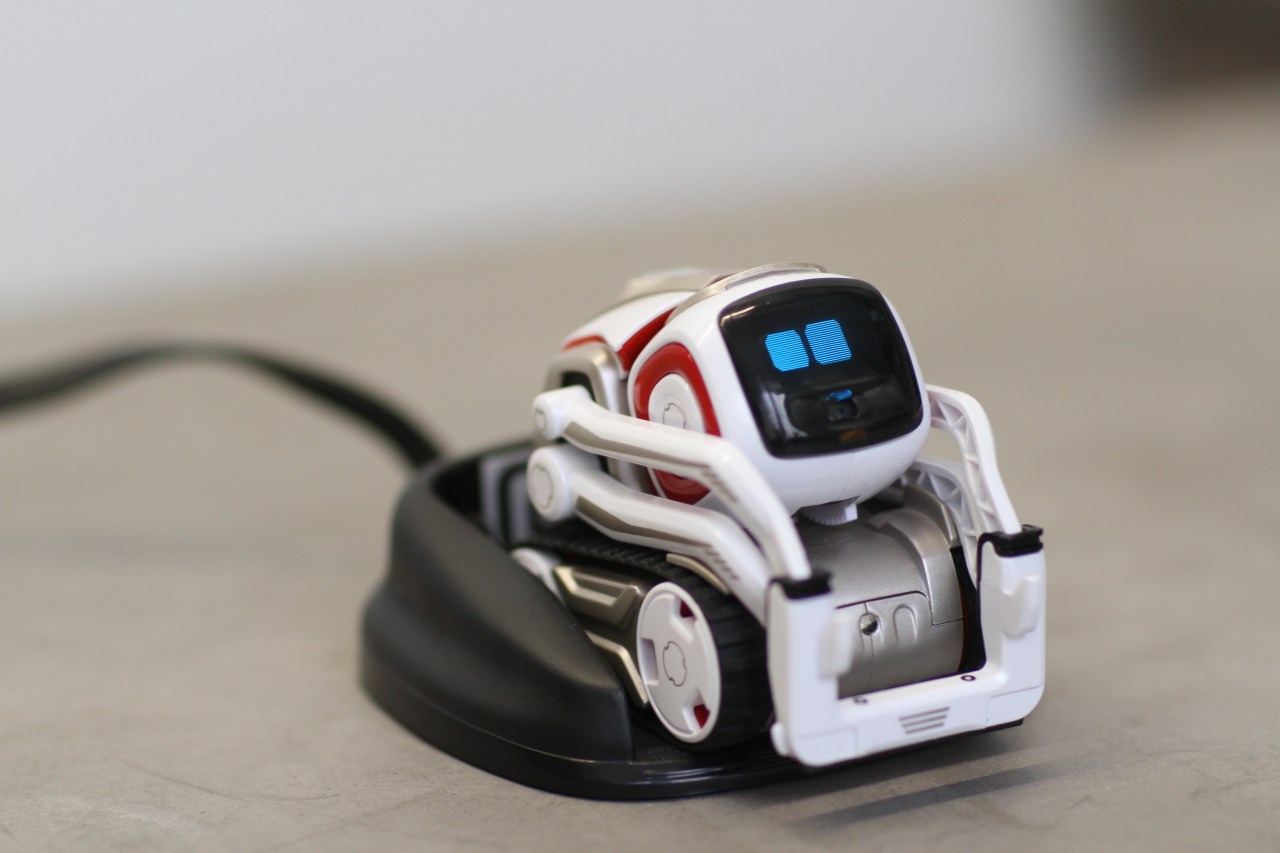
In the rollercoaster world of consumer robotics, Anki once stood tall, delighting enthusiasts with innovative products like Cozmo and Vector. However, in a stark twist of fate, the company announced its closure in 2019, leaving many to reflect on what went wrong. The story of Anki serves as both a tale of success and a cautionary lesson for the robotics industry.
The Innovation Behind Anki
Anki burst onto the scene with its mesmerizing offerings at the 2013 Apple WWDC keynote. The introduction of its Drive cars captivated the audience and marked the start of Anki’s journey into the robotics arena. Cozmo, a small robot with an immense personality, quickly became a favorite among children and adults alike, achieving significant sales milestones. By August 2019, the startup had shipped over 1.5 million robots, creating joy and wonder across the globe.
The Struggles of a Robotics Startup
Despite its previous successes, Anki faced immense challenges in securing financial backing for its innovative hardware and software developments. The company’s statement highlighted a disappointing failure to close a significant funding deal with a strategic investor. Anki’s experience mirrors that of many startups in the robotics space; securing funding can be as unpredictable as the products they develop.
- Many robotics companies have ventured into similar challenges, with financial backing crucial for scaling innovative ideas.
- The fall of other robotics firms, like Rethink and Kuri, underscores the struggle of finding sustainability in a highly volatile market.
Investors often approach the robotics sector with a cautious outlook, weighing the costs against potential returns, which can lead to potential innovators slipping through the cracks.
A Market Difficult to Navigate
The robotics market isn’t just harsh; it’s constantly evolving. As consumer preferences change, startups like Anki must pivot seamlessly to thrive. Anki’s pricing strategies, for instance, likely limited its ability to capture a broader consumer base. Competitors like Sphero found more success by diversifying their offerings, tapping into educational markets that appealed to both parents and educators.
- The unpredictable nature of toy markets adds another layer of complexity, as trends can shift overnight.
- Understanding consumer behavior is paramount, but many robotics startups often find themselves outpaced by rapidly changing dynamics.
The Human Cost of Closure
The closure of Anki not only signals the end of a beloved product line but also results in the loss of employment for numerous talented individuals. Each departure represents a story of ambition, creativity, and dedication that contributed to building something extraordinary. The willingness of management to care for their employees as they navigated this challenging terrain reflects the strong team culture at the company.
Conclusion: Learning from Anki’s Story
The tale of Anki is more than just a recounting of a beloved robotics company; it is a reminder of the harsh realities within the tech startup landscape. Innovation can soar high, but without sound financial support and market adaptability, even the most creative endeavors can falter. As we look to the future, the lessons learned from Anki’s experience can serve as a roadmap for aspiring entrepreneurs in the robotics domain.
At fxis.ai, we believe that such advancements are crucial for the future of AI, as they enable more comprehensive and effective solutions. Our team is continually exploring new methodologies to push the envelope in artificial intelligence, ensuring that our clients benefit from the latest technological innovations.
For more insights, updates, or to collaborate on AI development projects, stay connected with fxis.ai.