
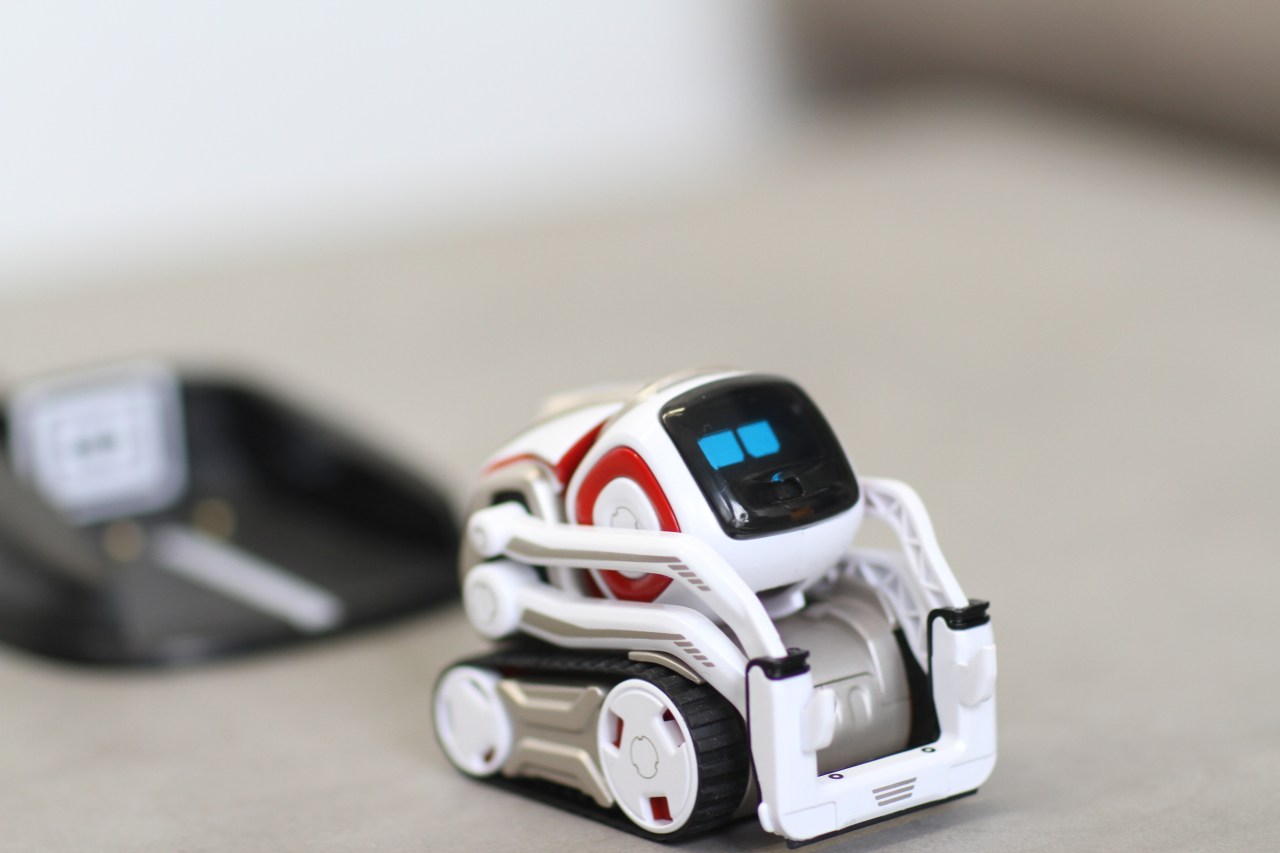
In the ever-evolving landscape of technology, the announcement of Anki’s closure struck a chord, not just with robotics enthusiasts but with anyone who holds a fascination for innovation. Established as a pioneer in the consumer robotics sphere, Anki’s journey, though ending unexpectedly, showcases both the potential and pitfalls inherent in ambitious tech ventures. As we reflect on Anki’s impact, we can glean invaluable lessons for the future of robotics and artificial intelligence.
Anki: An Ambitious Endeavor
Founded in 2010, Anki sought to merge entertainment with cutting-edge technology. Their signature product, Cozmo—a pint-sized robot with intelligent interactive capabilities—captured hearts globally. Anki’s founders envisioned a future where consumer robots would play pivotal roles in everyday life, much akin to the advent of smartphones a decade prior.
- Innovation and Accessibility: Anki’s products were designed to be user-friendly, ensuring that consumers of all ages could interact with technology effortlessly.
- Social Connection: By integrating gaming elements with robotics, Cozmo encouraged social interaction and engagement, highlighting the potential for robots to serve as companions.
The Challenges of Consumer Robotics
Despite their innovative approach, Anki faced significant hurdles that ultimately led to its downfall. The company’s statement tragically underscored the harsh realities that many tech startups face: “without significant funding to support a hardware and software business,” growth and sustainability became unfeasible.
- Funding Constraints: As a hardware-focused startup, Anki required substantial ongoing investment to develop and market its products effectively. In an era where venture capital is both sought after and scarce, Anki’s struggles were emblematic of broader challenges in the tech industry.
- Market Saturation: The consumer robotics market is increasingly competitive, with numerous players entering the space. Differentiating products when entering a saturated market is critical, and Anki struggled to retain its edge.
The Tech Landscape Today
While Anki’s departure is indeed a setback, it also serves as a reminder that the technology landscape is in a constant state of flux. In particular, the rise of artificial intelligence and robotics opens doorways that weren’t possible a few years ago. Companies that can navigate these shifts and adapt to market demands stand to succeed.
- Emerging Technologies: With advancements in AI such as machine learning and natural language processing, the potential applications for robotics are boundless. Future endeavors can learn from Anki’s mission and harness AI’s power to create even more sophisticated and engaging products.
- Collaborative Ecosystems: Building partnerships with established firms in technology and education can provide the needed backing to ensure that new projects not only survive but thrive.
Conclusion: Lessons Learned and Looking Ahead
Anki’s journey reflects both the promise and peril of innovation in the tech world. The closure of such an ambitious project serves as a cautionary tale for entrepreneurs venturing into the robotics and AI sectors. However, it also emphasizes the necessity for a strong business foundation, sustainable funding, and a keen awareness of market dynamics. As we look ahead, the future of consumer robotics still holds immense promise.
At [fxis.ai](https://fxis.ai/edu), we believe that such advancements are crucial for the future of AI, as they enable more comprehensive and effective solutions. Our team is continually exploring new methodologies to push the envelope in artificial intelligence, ensuring that our clients benefit from the latest technological innovations. For more insights, updates, or to collaborate on AI development projects, stay connected with [fxis.ai](https://fxis.ai/edu).