
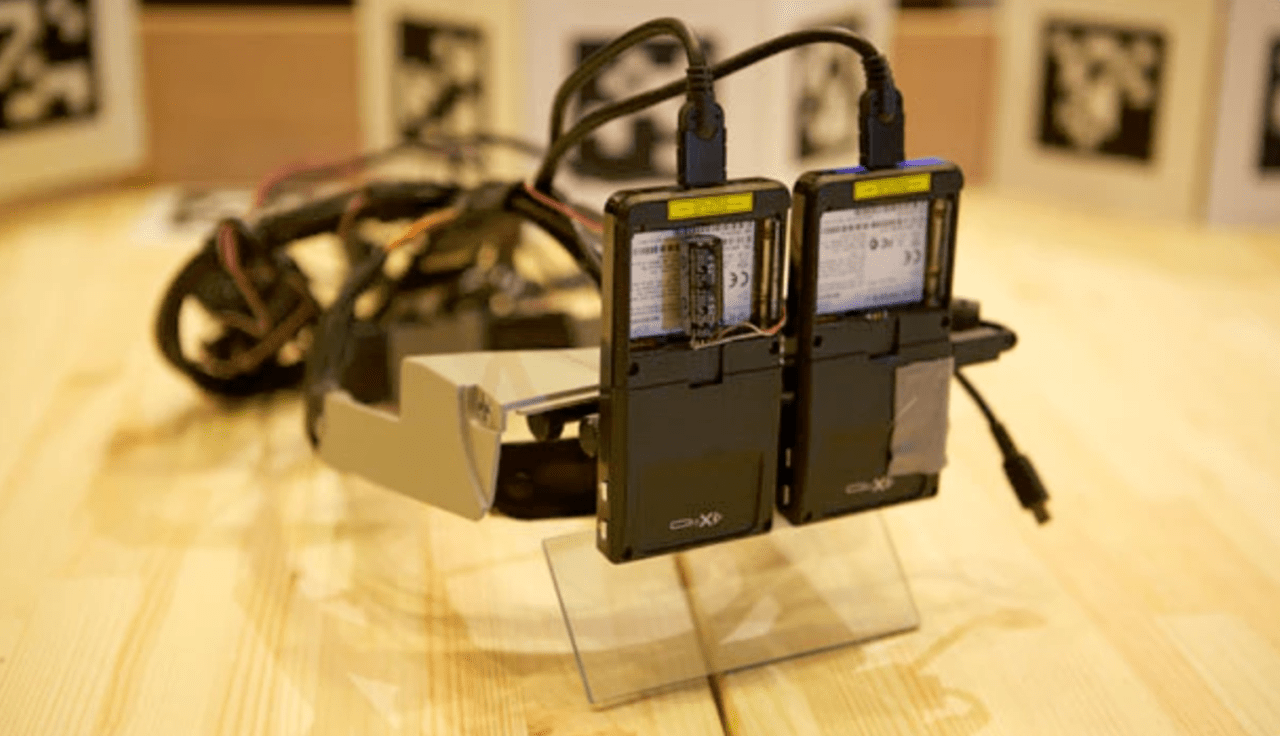
In a world where technological marvels often dominate headlines, the story of CastAR serves as a poignant reminder of the unpredictability of the startup landscape. Founded by seasoned veterans from Valve and supported by influential figures like Android co-creator Andy Rubin, CastAR embarked on a mission to revolutionize augmented reality (AR) hardware. Unfortunately, the ambitious journey met an untimely end in 2017. Let us take a closer look at what led to the rise and subsequent fall of this once-promising startup, along with lessons that echo in today’s rapidly evolving tech environment.
The Spark of Innovation
CastAR was born in 2013, spearheaded by the innovative minds of Jeri Ellsworth and Rick Johnson. With prior experience at Valve, they had the technical prowess and industry insight necessary to carve a niche in the competitive AR space. Their vision was resolute: to develop a headset that projected holographic images directly into the user’s field of view, setting their sights against industry giants like Microsoft and Magic Leap.
The startup initially saw success through a Kickstarter campaign, raising over $1 million from enthusiastic backers. However, success in funding doesn’t directly translate to market viability. This became evident as CastAR faced mounting obstacles that prevented them from delivering on their promises. Following the crowdfunding efforts, CastAR secured $15 million from Playground Global, which was seen as a lifeline, yet the company struggled to execute its ambitious goals.
The Challenges of AR Hardware Development
- Complexity of Technology: AR technology involves not just visual representation, but the need for precise tracking and integration with real-world environments, making the development process complicated and resource-intensive.
- Funding Disparities: While CastAR garnered support from a notable figure, it lagged significantly in funding compared to peers like Magic Leap, which had raised an astonishing $1.4 billion by the time CastAR shut down. This disparity limited CastAR’s ability to innovate and produce its devices effectively.
- Market Readiness: Despite the growing interest in smartphone-based AR technologies from companies like Apple and Google, the headset market was still untested, presenting risks that investors were hesitant to overlook.
The challenges proved overwhelming for CastAR, leading to layoffs and diminished resources as the company failed to garner further investment to sustain its operations. Eventually, reports emerged in 2017 that the company had gone into shutdown mode, with a small team remaining to attempt to sell off the technology that had been developed.
The Aftermath and Lessons Learned
The closure of CastAR was not just a loss for its founders and investors; it served as a crucial lesson for other startups venturing into the AR space. Key takeaways include:
- Importance of Funding: Sustaining tech development requires robust financial backing, especially in areas as complex as AR.
- Market Viability: Understanding the market and consumer readiness for innovative products is essential to secure investment and ensure stable growth.
- Scalability: The ability to scale operations quickly and efficiently is vital, particularly in a landscape where competition is fierce and timelines are often fluid.
Conclusion
While the story of CastAR may have ended in disappointment, the journey was nevertheless filled with ambition, ingenuity, and valuable lessons. As the AR industry continues to evolve, companies can draw from CastAR’s narrative to navigate the challenges of development, funding, and market adaptation. At **[fxis.ai](https://fxis.ai/edu)**, we believe that such advancements are crucial for the future of AI, as they enable more comprehensive and effective solutions. Our team is continually exploring new methodologies to push the envelope in artificial intelligence, ensuring that our clients benefit from the latest technological innovations.
For more insights, updates, or to collaborate on AI development projects, stay connected with **[fxis.ai](https://fxis.ai/edu)**.