
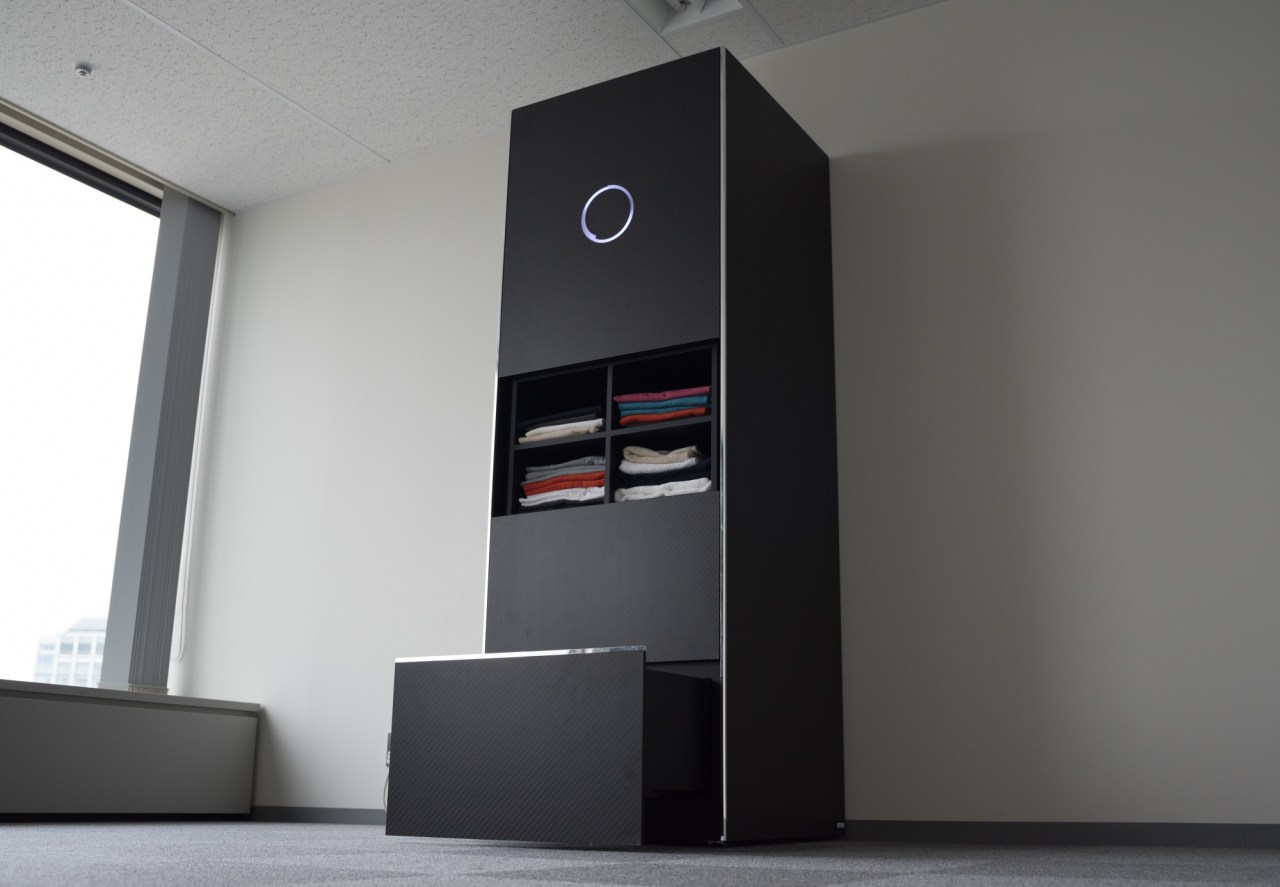
In the dazzling world of consumer technology, the line between innovation and absurdity can often blur. A vivid example of this phenomenon is represented by Laundroid, a laundry-folding robot from the now-defunct company Seven Dreamers. While the concept of an automated laundry solution had the potential to captivate imaginations and demand significant interest, the reality proved to be far less enchanting. As the company files for bankruptcy, let’s explore the journey of Laundroid, the lessons learned, and what this means for the consumer robotics market.
A Bold Vision Gone Awry
When Laundroid first hit the circuit at trade shows, it sparked intrigue with its promise of revolutionizing the tedious chore of laundry folding. For many, the allure of a machine that could seamlessly fold clothes, thus freeing up countless hours each week, was too enticing to overlook. However, as more details emerged, it became apparent that the machine’s ambition far outstripped its technical capabilities.
- Size and Cost: Laundroid was ridiculously large, something that didn’t mix well with the confines of many urban homes. Additionally, the price tag was prohibitively high for the average consumer, placing it firmly out of reach for most.
- Technical Limitations: Despite optimistic predictions about its release, ongoing issues related to performance plagued the device. Reports highlighted its struggle with basic folding tasks, raising doubts about its practicality.
Bankruptcy and Industry Impact
Ultimately, Seven Dreamers accumulated approximately $22 million in debt, leading to their unfortunate bankruptcy filing in Japan. The collapse of Laundroid serves as a stark reminder of the high stakes associated with consumer technology startups. With a significant financial burden and an inability to deliver a viable product, the dream appeared to crumble.
However, while Laundroid’s demise might seem like a dark cloud over the landscape of robotic home solutions, it gives way to a silver lining for other players in the field. Notably, California-based Foldimate has emerged, taking the mantle in the race for household automation. Their technology, demonstrating tangible folding solutions with positive reviews, could signify a more realistic pathway toward fulfilling the dream of automated laundry.
Consumer Robotics: The Holy Grail
The journey of Laundroid and other robotics ventures reflects a broader challenge within consumer robotics. Automation of household tasks has long been touted as the “Holy Grail” of this industry. Yet, aside from popular robots like Roomba, most attempts to penetrate the market with other household chores have fallen flat.
Historically, the risks of over-promising and under-delivering have stymied many aspiring innovations. This outcome highlights a critical learning opportunity: future solutions must align closely with consumer needs while maintaining feasibility in design and application.
Conclusion: Wisdom from the Wreckage
The downfall of Laundroid encapsulates both the boundless potential and arduous realities of technology innovation. As companies navigate this complex landscape, it’s vital to strike a balance between ambition and practicality. The appetite for smart, automated solutions remains robust, but it will be those who align product design with realistic capabilities that will lead the charge into a future shaped by intelligent home technologies.
At fxis.ai, we believe that such advancements are crucial for the future of AI, as they enable more comprehensive and effective solutions. Our team is continually exploring new methodologies to push the envelope in artificial intelligence, ensuring that our clients benefit from the latest technological innovations.
For more insights, updates, or to collaborate on AI development projects, stay connected with fxis.ai.