
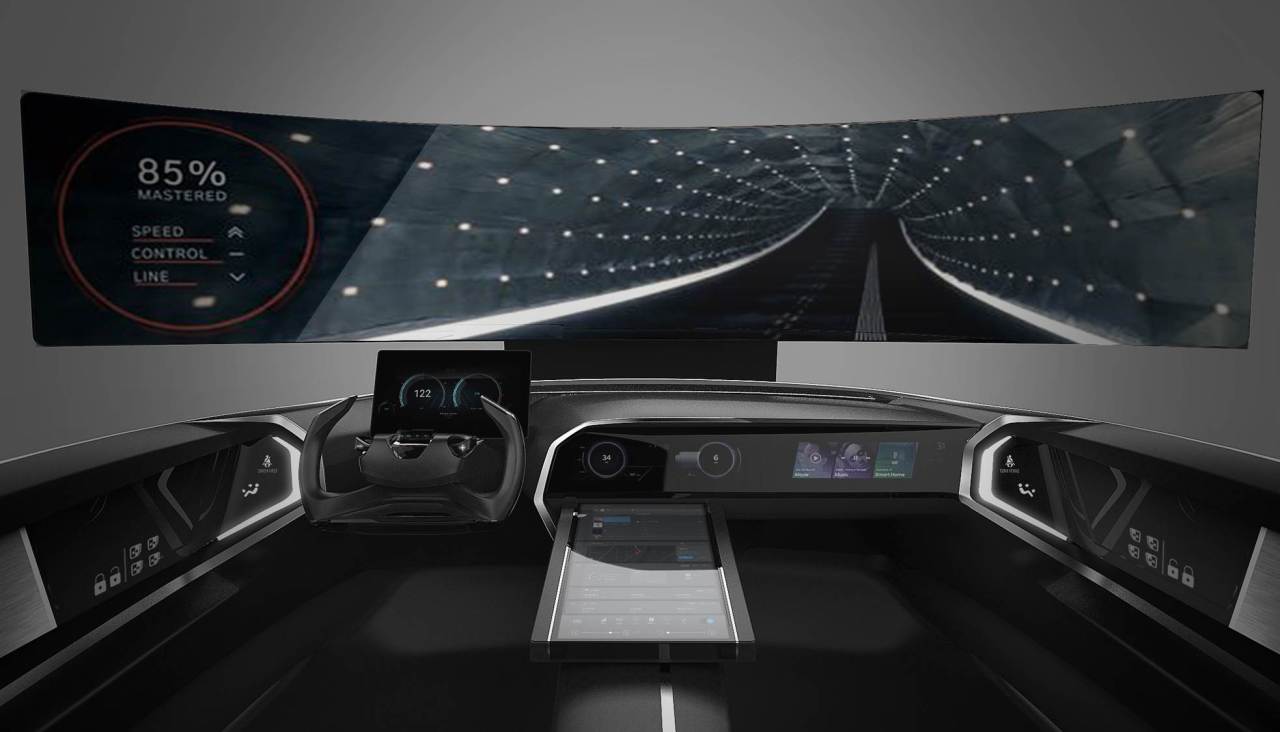
As we have transitioned into an era dominated by smart technology, the automotive industry has not been left behind. In a bid to revolutionize the driving experience, Kia and Hyundai have been at the forefront of integrating artificial intelligence (AI) into their vehicles. Starting in 2019, these Korean car manufacturers embarked on a significant journey to incorporate AI-powered virtual assistants into their cars, marking a monumental shift in how we interact with our vehicles.
The Vision for Intelligent Personal Assistants
The Intelligent Personal Assistant (IPA) is not just a technological gimmick but a thoughtfully designed tool to enhance convenience and safety. Powered by technology developed by SoundHound, this AI assistant will offer a plethora of features that elevate the modern driving experience:
- Personalized Navigation: The IPA will use data such as your calendar and previous destinations to suggest optimal travel routes.
- Home Integration: Imagine controlling your smart appliances directly from your car! With voice commands, you can manage everything from your home’s thermostat to security systems.
- Weather and News Updates: Like having a virtual co-pilot, the assistant will provide real-time updates to keep you informed even while you’re on the road.
A Broader Foreshadowing of Automotive AI
While Kia and Hyundai’s initiatives may appear groundbreaking, they are simply part of a larger trend in the automotive sector. Several global automakers are racing to integrate advanced AI solutions. For instance, manufacturers like Toyota, Nissan, and Honda have showcased concept vehicles that feature their own iterations of in-car virtual assistants.
Additionally, Ford has chosen to collaborate with tech giants like Amazon to bring familiar assistants like Alexa into their vehicles. This competitive landscape reveals an industry in flux, with traditional car manufacturers leveraging tech partnerships to create smarter and safer automobiles.
The Role of Technology in Shaping the Future
The CES platform has historically served as a launchpad for revolutionary technology, and in 2018 it became a stage for the IA assistants that Kia and Hyundai were slated to unveil. This marked the beginning of a significant shift where vehicles transform from mere transportation means into interactive companions for drivers.
Furthermore, the automotive landscape is evolving at an unprecedented rate. The focus is now on making cars not only more efficient but also more responsive to our needs. This change fosters a far deeper relationship between humans and machines, effectively turning the vehicle into an entity that understands our preferences through data-driven insights.
Conclusion: Embracing Innovation for a Smarter Future
The integration of AI assistants in vehicles heralds a revolutionary era for the automotive industry. With each advancement, we come closer to a seamless blend of technology with our everyday lives. Companies like Kia and Hyundai are not just betting on the future; they are actively shaping it. By focusing on enhancing user experiences through intelligent systems, the automotive sector stands to redefine mobility as we know it.
At fxis.ai, we believe that such advancements are crucial for the future of AI, as they enable more comprehensive and effective solutions. Our team is continually exploring new methodologies to push the envelope in artificial intelligence, ensuring that our clients benefit from the latest technological innovations. For more insights, updates, or to collaborate on AI development projects, stay connected with fxis.ai.