
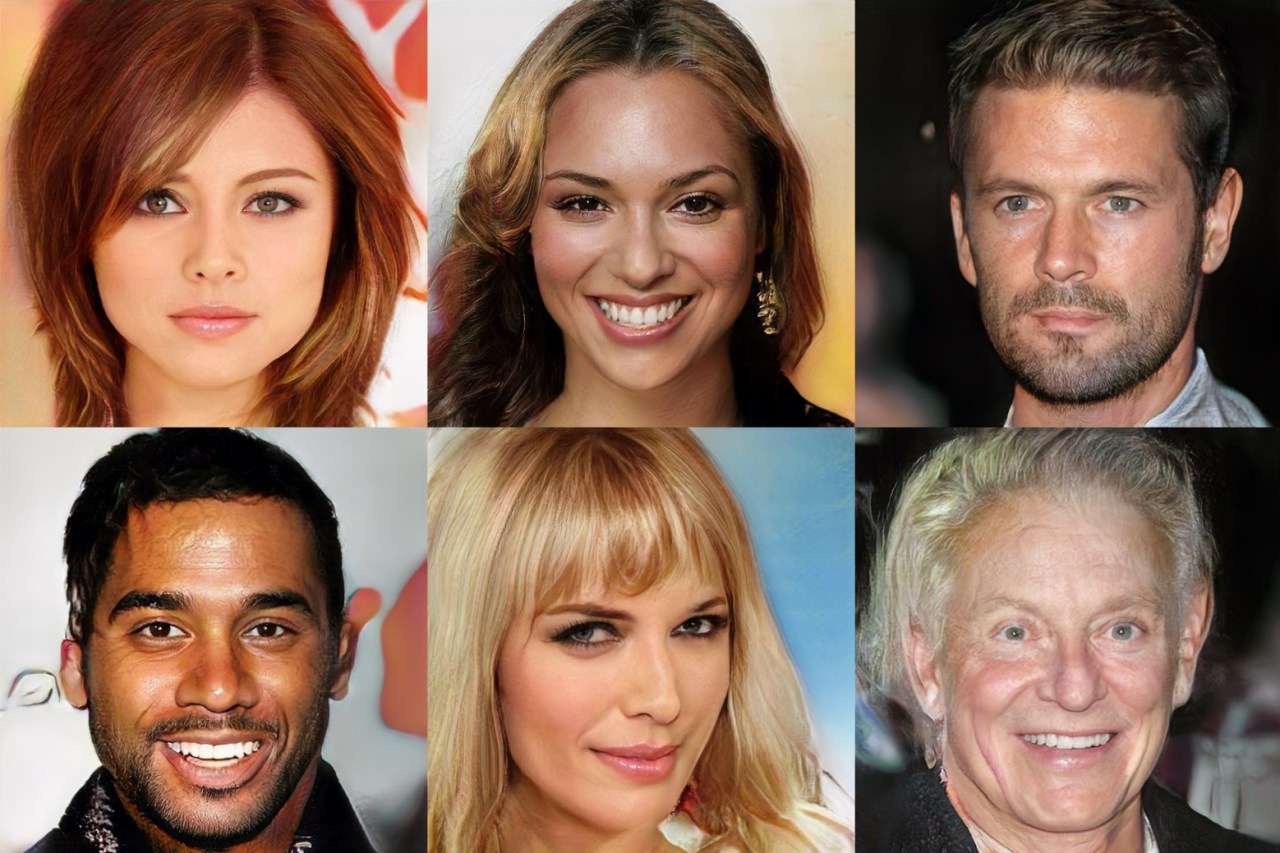
In today’s entertainment landscape, the demand for fresh faces and captivating personalities is insatiable. With the limited supply of real-life celebrities, a fascinating new trend has emerged—artificial intelligence (AI) stepping in to fill the void with computer-generated celebrities. As we delve into this digital realm, we discover how advancements in AI technology, particularly Generative Adversarial Networks (GANs), are revolutionizing celebrity culture.
The World of GANs: Making the Impossible Possible
The mechanics behind creating these synthetic celebrities hinge on GANs, a groundbreaking AI technique introduced by Ian Goodfellow in 2014. At its core, GANs utilize two neural networks: a generator and a discriminator. The generator produces new images, while the discriminator evaluates their authenticity. This iterative dance allows the generator to hone its skills over time, leading to increasingly lifelike outputs. In the recent work conducted by Nvidia researchers, countless celebrity images were fed into these networks, enabling the AI to extrapolate and invent entirely new personalities.
Impressive, Yet Imperfect Creations
Upon first glance, the results from this GAN experimentation may appear strikingly realistic; however, upon closer inspection, imperfections become evident. For instance, one creation featured a droplet inexplicably dripping from an ear, and a character donned an earring that seemed to lack finish. These quirks, while amusing, highlight the growing pains of AI in the quest for photorealism.
The point of advancement isn’t merely in generating new faces but also in capturing the essence of personality—each character emerges with distinct traits, despite their fictional status. Unlike the usual marketing ploys for new stars, these generated personas offer an entirely fresh approach to celebrity culture.
A Learning Curve: The Importance of Starting Small
One critical insight from the Nvidia research team was the strategy of beginning with low-resolution images. By starting small, the AI gains a foundational understanding of facial structures and essential features before progressing to more complex, high-resolution outputs. This method not only streamlines the training process but enhances the quality of the generated images, helping the AI avoid the embarrassing faux pas of ‘hair-beasts’ and uncanny wall-like features.
The Future of Celebrity Culture and Beyond
As we look to the horizon, the implications of computer-generated celebrities extend well beyond mere entertainment. From brands utilizing lifelike avatars for advertising campaigns to filmmakers crafting entire digital ensembles for their projects, the possibilities seem endless. However, ethical considerations surrounding the use of these digital entities deserve attention. How will society navigate the intertwining of virtual and physical personas? This question calls for thoughtful discourse as technology continues to evolve.
Conclusion: Embracing the Digital Celebrity Era
The synthesis of computer-generated personas signifies a bold new frontier in how we interact with celebrity culture. While we revel in the fun and novelty of these artificial figures, we must also approach the future with a sense of responsibility and awareness. The journey towards true photorealism is just beginning, but with each iteration and innovation, we draw closer to a world where the line between reality and digital creation blurs.
At fxis.ai, we believe that such advancements are crucial for the future of AI, as they enable more comprehensive and effective solutions. Our team is continually exploring new methodologies to push the envelope in artificial intelligence, ensuring that our clients benefit from the latest technological innovations. For more insights, updates, or to collaborate on AI development projects, stay connected with fxis.ai.