
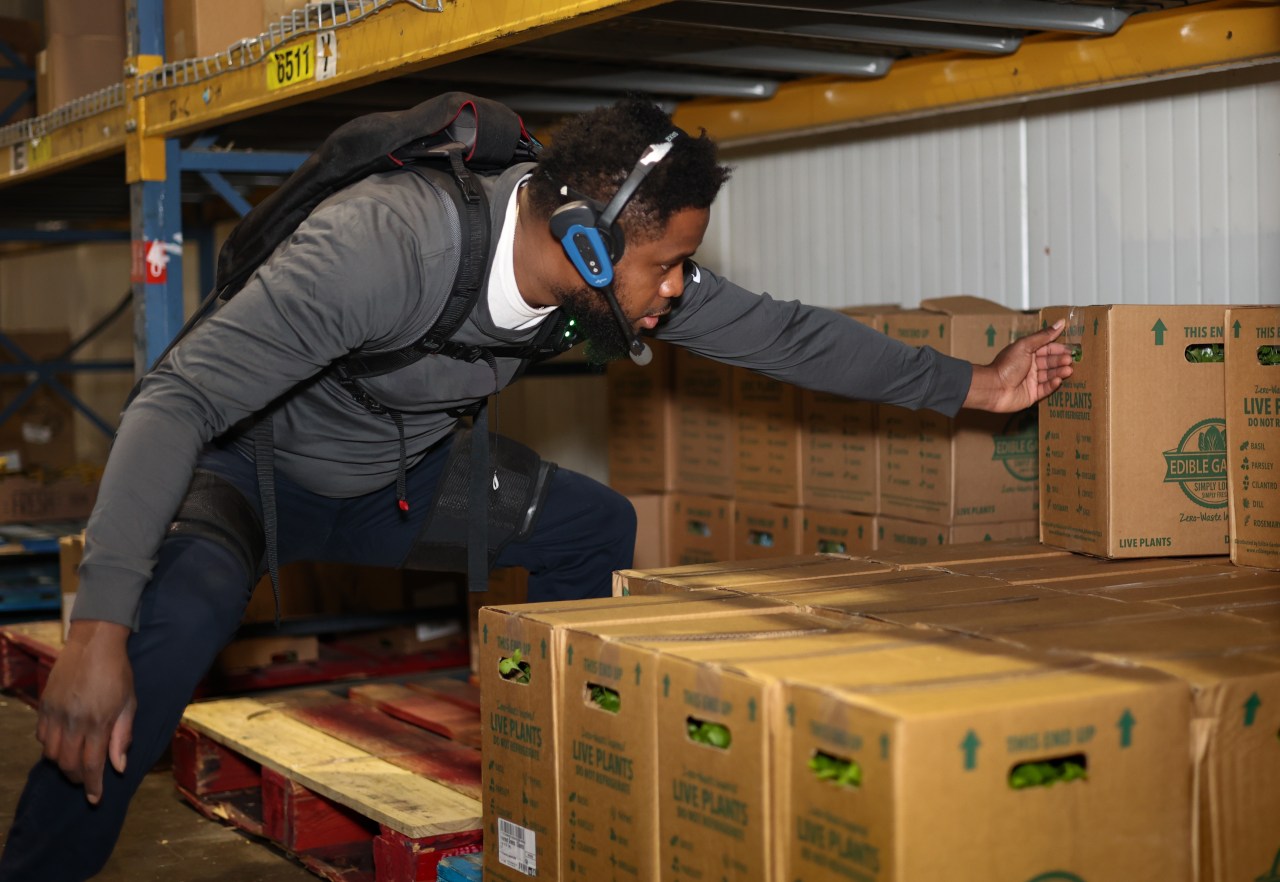
In an era where innovation and technology converge to improve human capabilities, exoskeletons have emerged as groundbreaking solutions. One startup making notable strides in this sector is Verve Motion, which recently raised $15 million after running a successful pilot with grocery workers. But what exactly makes exosuits so compelling, and how are they shaping the future of work? Let’s dive deeper into this fascinating landscape.
The Dual Landscape of Exoskeletons
Exoskeletons and exosuits cater to two main markets: labor-intensive jobs and individuals with mobility challenges. Both categories present unique opportunities and challenges, but their underlying premise remains the same: augmenting human capabilities to enhance productivity and improve quality of life.
Labor-Intensive Careers: Addressing Physical Strain
In sectors such as logistics and agriculture, the physical demands on workers are immense. Tasks that involve heavy lifting and repetitive movements often lead to serious injuries. Verve Motion, co-founded by former Harvard team members, seeks to address these challenges by creating wearable technology designed to reduce strain. Their flagship product, SafeLift, is not a traditional exoskeleton; it’s a fabric-based soft exosuit that adapts to the wearer’s movements, effectively easing the burden on their back and lowering injury risk by up to 40%.
Inspiration from the Pandemic
The COVID-19 pandemic underscored the critical needs of essential workers, particularly in sectors like grocery supply chains. Workers were pushed to their limits, often under physically demanding conditions. Verve Motion’s founders recognized this necessity and designed their product not just as a luxury, but as an essential tool to safeguard these hardworking individuals. The $15 million funding, primarily led by Construct Capital, showcases investors’ shared vision for the future—helping ensure the well-being of industrial workers.
The Technological Landscape of Exoskeletons
Exoskeletons are not merely futuristic tools; they represent a significant shift in how we approach both human performance and rehabilitation. The blend of advanced fabrics with smart technology allows these devices to integrate seamlessly into daily tasks. While traditional exoskeletons can be bulky and cumbersome, soft exosuits like SafeLift offer a more user-friendly alternative that doesn’t hinder mobility. This innovation is essential for creating solutions that workers will actually want to wear.
Growth Potential and Future Applications
The market for exoskeletons is ripe for expansion. As more industries recognize the importance of employee well-being, demand for tools that can mitigate physical stress is likely to grow. Verve Motion’s focus on nurturing its technologies to better meet the needs of workers is an example that other startups could emulate.
- Innovative Design: Flexible materials and adaptable systems are essential for encouraging widespread adoption.
- Scalability: Developing a sustainable model for mass production can help meet industry demands.
- Collaboration: Engaging with industry partners and users for feedback ensures that products meet real needs.
Conclusion: Shaping the Future of Work
The journey ahead for Verve Motion and the exosuit market is promising. As the lines between technology and human capability continue to blur, we can envision a future where wearable technology not only preserves physical health but also transforms how industries function. At fxis.ai, we believe that such advancements are crucial for the future of AI, as they enable more comprehensive and effective solutions. Our team is continually exploring new methodologies to push the envelope in artificial intelligence, ensuring that our clients benefit from the latest technological innovations.
For more insights, updates, or to collaborate on AI development projects, stay connected with fxis.ai.