
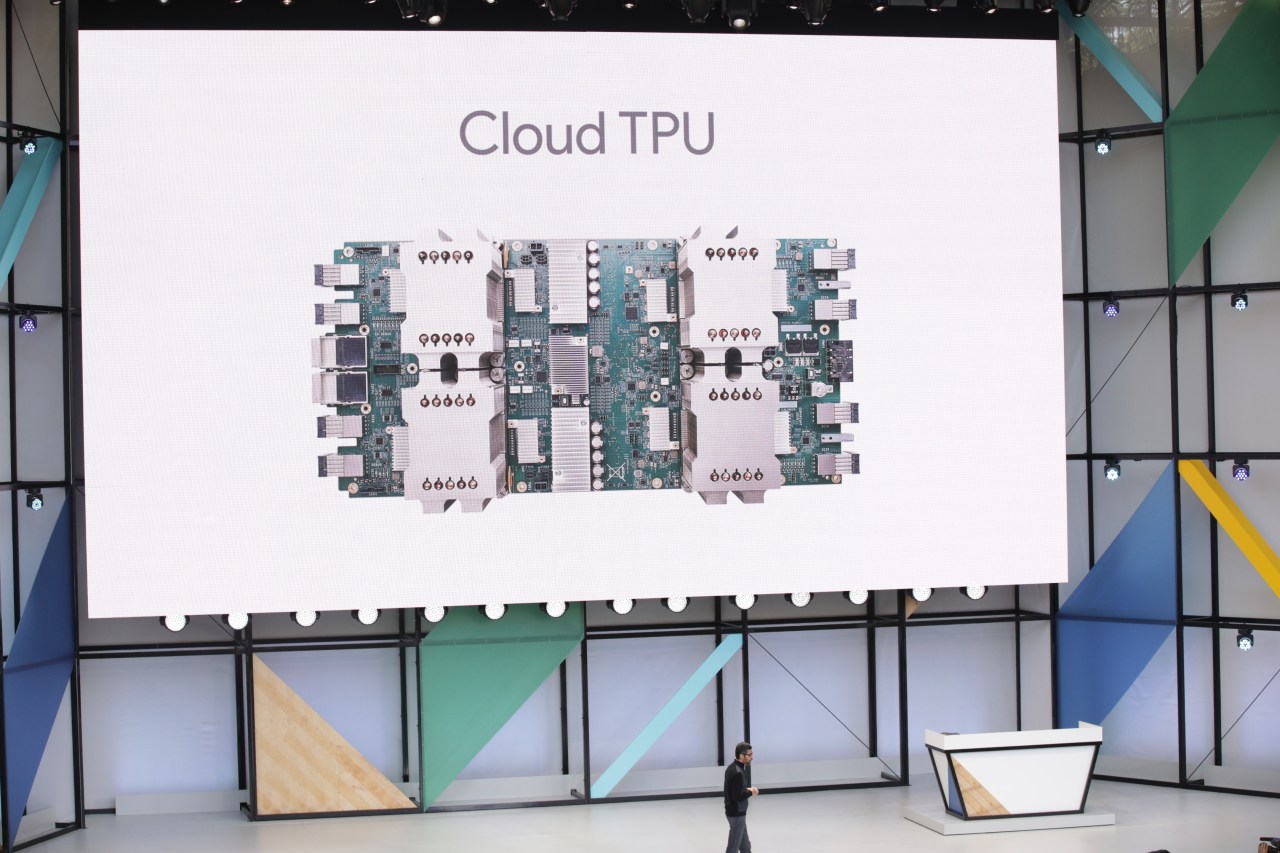
In the ever-evolving landscape of artificial intelligence and machine learning, efficient hardware solutions have become a pivotal focus for developers. Enter Google’s Tensor Processing Units (TPUs)—custom-designed chips tailored specifically for machine learning tasks. Initially unveiled in a beta phase, TPUs in the cloud are set to revolutionize the way developers approach complex workloads built on the TensorFlow framework. Let’s explore the ins and outs of these accelerators and how they can empower developers to push the boundaries of innovation.
What Makes TPUs Stand Out?
Google’s TPUs boast remarkable advantages that make them a compelling choice for machine learning applications:
- Speed: One of the most striking features of TPUs is their capability to execute machine learning tasks significantly faster than conventional GPUs. A single TPU board, for instance, achieves peak performance levels of 180 teraflops, a figure that is hard to ignore in the computational arena.
- Efficiency: Beyond speed, TPUs are built to be energy-efficient. This means that while developers might be primarily focused on performance, Google can leverage this efficiency to offer services at a reduced cost, bringing significant savings to users.
- Seamless Integration with TensorFlow: While transitioning to new hardware can often involve daunting reprogramming, Google ensures that developers working with TensorFlow can implement TPUs without major revisions to their existing code. This ease of access is a game changer, particularly for teams looking to minimize downtime and maximize productivity.
Pricing Model and Access Management
As promising as the TPUs are, accessing these powerful devices comes with its own set of considerations. Developers interested in utilizing TPUs will need to apply for a Cloud TPU quota and outline their intended usage. This careful management allows Google to regulate access while ensuring a high quality of service.
At the moment, the pricing stands at $6.50 per TPU per hour. While this may initially sound steep compared to the standard Tesla P100 GPUs priced at approximately $1.46 per hour, the sheer performance of TPUs justifies this cost for intensive machine learning tasks. This pricing structure effectively positions TPUs as a premium offering within Google Cloud’s ecosystem.
Market Impact and Competitive Edge
Google’s strategic positioning with TPUs marks a significant step in distinguishing itself from competitors like AWS and Azure. In a world where cloud services are becoming increasingly uniform, the unique offerings of TensorFlow integrated with TPUs give Google a competitive advantage that sets it apart in the crowded market.
Furthermore, as machine learning continues to gain traction across various industries, organizations are constantly on the lookout for solutions that enhance speed and efficiency. Google’s TPUs offer not only a technical edge but also a motivational factor for companies to adopt machine learning solutions on a broader scale.
Looking Ahead: The Future of Computing with TPUs
As organizations begin to tap into the potential of TPUs, we are likely to see innovative applications emerge that push the limits of current technologies. The synergy between TPUs and TensorFlow is anticipated to foster breakthroughs across sectors, from healthcare to finance, leading to smarter algorithms and more robust data solutions.
At fxis.ai, we believe that such advancements are crucial for the future of AI, as they enable more comprehensive and effective solutions. Our team is continually exploring new methodologies to push the envelope in artificial intelligence, ensuring that our clients benefit from the latest technological innovations.
Conclusion
Google’s TPUs represent a thrilling innovation that could redefine the future of machine learning development. By offering unparalleled performance, energy efficiency, and seamless integration with TensorFlow, these custom chips are destined to play a critical role in advancing AI capabilities. For those looking to leverage this technology, the journey promises to be as exciting as the destination.
For more insights, updates, or to collaborate on AI development projects, stay connected with fxis.ai.