
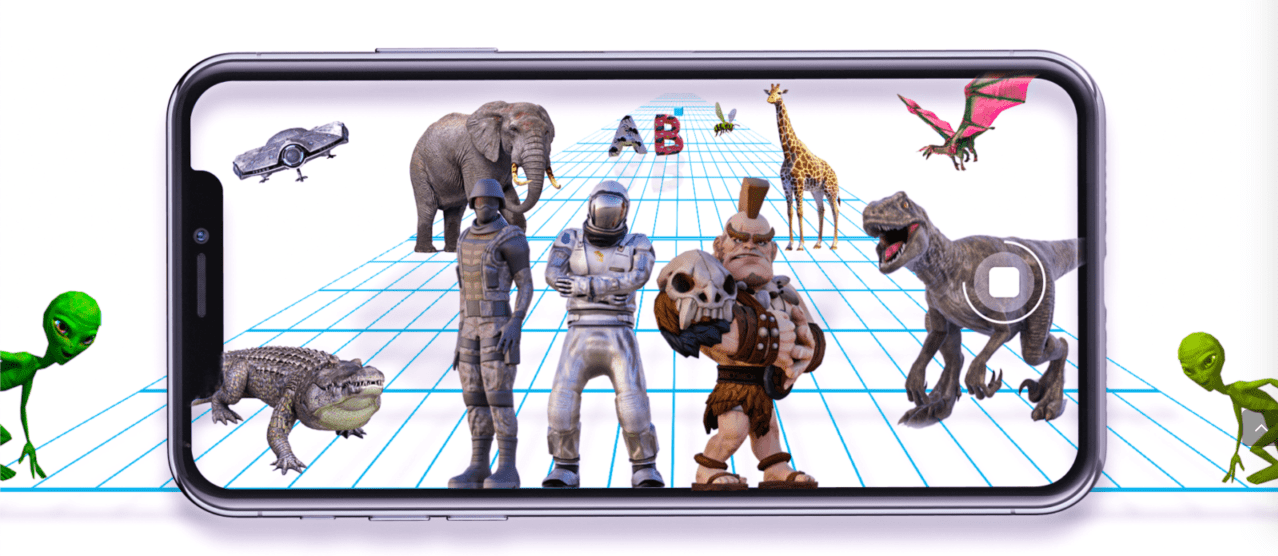
The world of augmented reality (AR) is witnessing an exciting transformation, particularly in how it interacts with creative expression and commerce. One trailblazer leading this charge is Dana Loberg with her startup, Leo AR. Following the footsteps of Apple’s introduction of ARKit, which ignited a new wave of entrepreneurial ventures similar to the App Store’s impact in 2008, Leo AR promises to redefine how we perceive and interact with 3D objects.
From MojiLala to Leo AR: The Evolution of a Vision
The journey of Leo AR has been anything but linear. Originally birthed as MojiLala, a vibrant marketplace for stickers, the company took its first steps toward innovation by allowing artists to upload and sell their creations. The pivot to AR began in 2017 with the launch of Surreal, an app enabling artists to sell virtual objects, adding a layer of realism to their creations through camera overlays. Today, rebranded as Leo AR, the company has zeroed in on the potential of 3D AR objects while ensuring that artists can easily showcase and monetize their talents.
Seed Investment: Fueling the Growth
Exciting news has emerged from the Leo AR camp: the startup has successfully raised a $3 million seed round, led by Great Oaks Ventures with an impressive lineup of participants, including Dennis Phelps of IVP, betaworks, Deutsche Telekom, Quake Capital, and various angel investors. This injection of capital is a testament not just to the potential of Leo AR, but also to the rising trend in AR marketplaces.
User-Centric Model: Empowering Creatives
At its core, Leo AR operates on a freemium model that promises to benefit both users and creators. Users can subscribe to their favorite artists, which fosters a community of creativity while also ensuring that talents receive a fair cut of the revenue. In this case, Leo takes a modest 30% from purchases, while primarily focusing on artist recuperation and satisfaction. Dana Loberg’s vision emphasizes that the platform’s success is intrinsically linked to the happiness and earnings of its creators. This approach not only fuels artistic performance but also keeps the platform thriving.
The Surge of Popularity Among Young Creators
One of the standout features of Leo AR is its unexpected popularity among children. Young users have taken to the app like bees to honey, creating imaginative videos adorned with dragons, dinosaurs, and more. Incredibly, Leo’s platform has seen over 8 million videos generated, and active users typically incorporate over 85 different 3D objects in their creations, spending an average of 10 minutes in the app each time. This traction signifies not just a user base but a budding community where creativity knows no bounds.
Redefining Content Sharing and Interaction
Beyond mere creation, Leo AR acts as a bridge to wider social platforms like Instagram, enabling users to share their work with a broader audience. Additionally, the app curates a feed showcasing the best videos, creating an ecosystem of inspiration and aspiration for content creators. This promotion of excellence serves to encourage users to push their creative boundaries further.
Conclusion: A Vision for the Future
Leo AR stands at the forefront of a pivotal moment in the evolution of augmented reality and creative expression. With its innovative approach to monetization, community-building, and empowering young creators, Dana Loberg’s venture is not just a marketplace; it’s a new frontier of artistic possibility. At **[fxis.ai](https://fxis.ai/edu)**, we believe that such advancements are crucial for the future of AI, as they enable more comprehensive and effective solutions. Our team is continually exploring new methodologies to push the envelope in artificial intelligence, ensuring that our clients benefit from the latest technological innovations.
For more insights, updates, or to collaborate on AI development projects, stay connected with **[fxis.ai](https://fxis.ai/edu)**.