
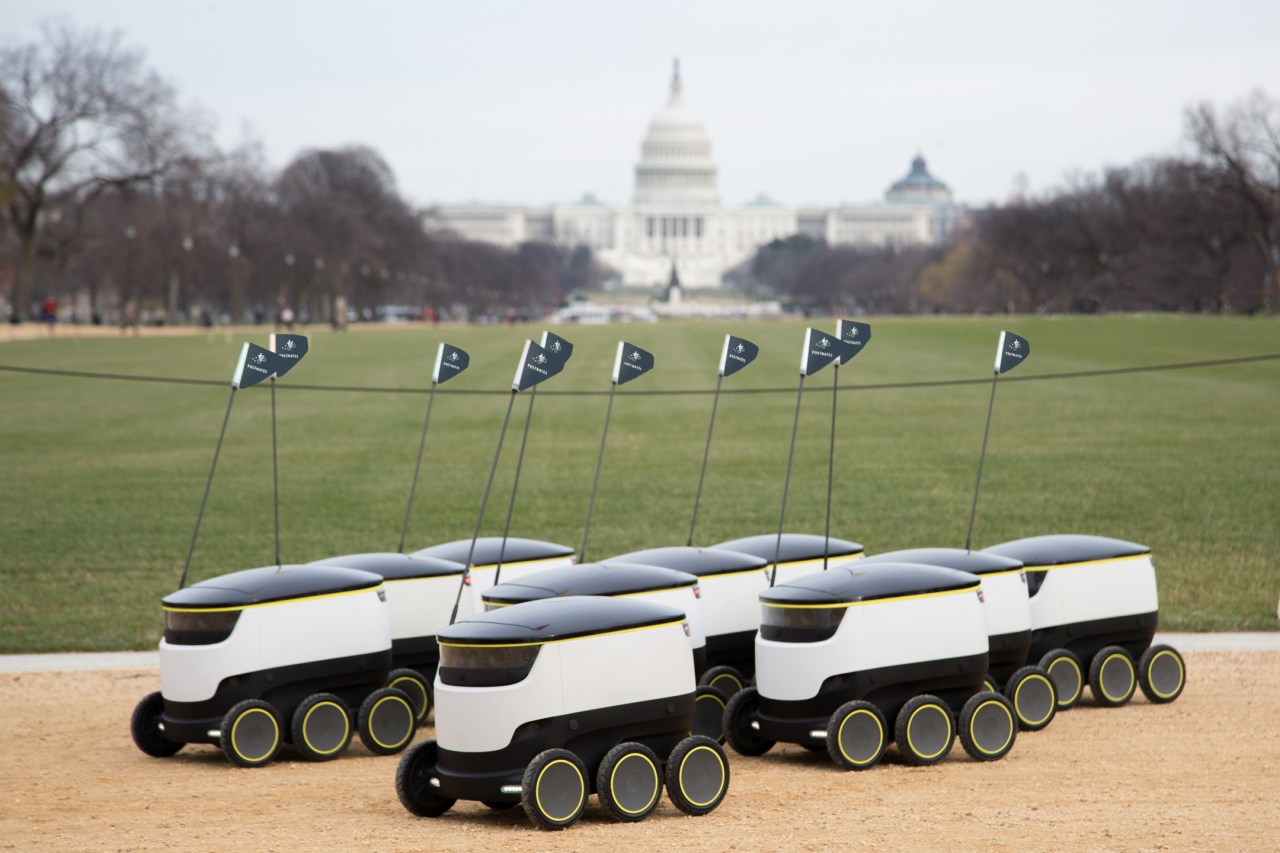
In the landscape of on-demand services, a new player is capturing attention: robotics. With the rapid advancements in technology, companies in the delivery sector are embracing autonomous solutions to enhance efficiency and convenience. Starship Technologies, recognized for its innovative delivery robots, is taking center stage, partnering with two industry leaders—Postmates and DoorDash—to explore the future of delivery services. Let’s delve into how these autonomous wonders are transforming our delivery culture.
What Are Starship’s Delivery Robots?
Starship Technologies has created a fleet of self-driving delivery robots that resemble miniature coolers on wheels. These robots have the capability to traverse busy sidewalks at a maximum speed of 4 miles per hour, which is perfect for busy urban setups. They can carry up to 40 pounds, a practical load for food, groceries, or small packages, with delivery routes typically spanning a two-mile radius.
Efficiency and Sustainability: The Robot Advantage
One of the most compelling advantages of these robots is their sustainability. Powered by rechargeable lithium-ion batteries, they are not only quiet but also eco-friendly compared to traditional delivery vehicles that contribute to urban pollution. In a world striving for environmental sustainability, these robots represent a step forward in reducing the carbon footprint of last-mile deliveries.
The Collaboration: DoorDash and Postmates
The partnership with DoorDash and Postmates marks a significant milestone as these companies test the integration of Starship’s robots into their delivery models. DoorDash co-founder Stanley Tang emphasizes that the robots will not replace human workers but will coexist with them—adding versatility by catering to specific delivery needs. This hybrid approach can optimize service efficiency by allowing delivery workers to focus on more complex tasks or larger orders.
- How DoorDash Envisions Integration: Customers may be able to select robot delivery for their orders, receiving notifications once their robot arrives. A simple click on a text message will enable customers to open the delivery compartment to retrieve their items.
- Postmates’ Broader Operational Reach: Unlike DoorDash, Postmates expands its offerings beyond food delivery to include groceries and retail items. Its pilot with robots aims to gather extensive data on user interaction and delivery times, assessing the impact these robots will have on their operational processes.
Data-Driven Future: The Path Forward
Both companies recognize the importance of data not only in understanding delivery patterns but also in customer behaviors and preferences. Postmates’ Senior Vice President, Holger Luedorf, highlights their cautious approach—there’s no rush to declare robots as the ultimate delivery solution just yet. Instead, the focus lies on gathering insights that will shape future logistics strategies.
Conclusion: Embracing the Future of Delivery
The collaboration between Starship Technologies, Postmates, and DoorDash paints an intriguing picture of the future of delivery services. While fully autonomous delivery isn’t here to replace every service worker, it presents a promising opportunity for efficiency and sustainability in urban environments. As the data from these pilots continues to unfold, we may soon find ourselves in a world where robots are as common as bicycles and scooters on the streets—and perhaps a welcome addition to our delivery options.
For more insights, updates, or to collaborate on AI development projects, stay connected with fxis.ai.
At fxis.ai, we believe that such advancements are crucial for the future of AI, as they enable more comprehensive and effective solutions. Our team is continually exploring new methodologies to push the envelope in artificial intelligence, ensuring that our clients benefit from the latest technological innovations.