
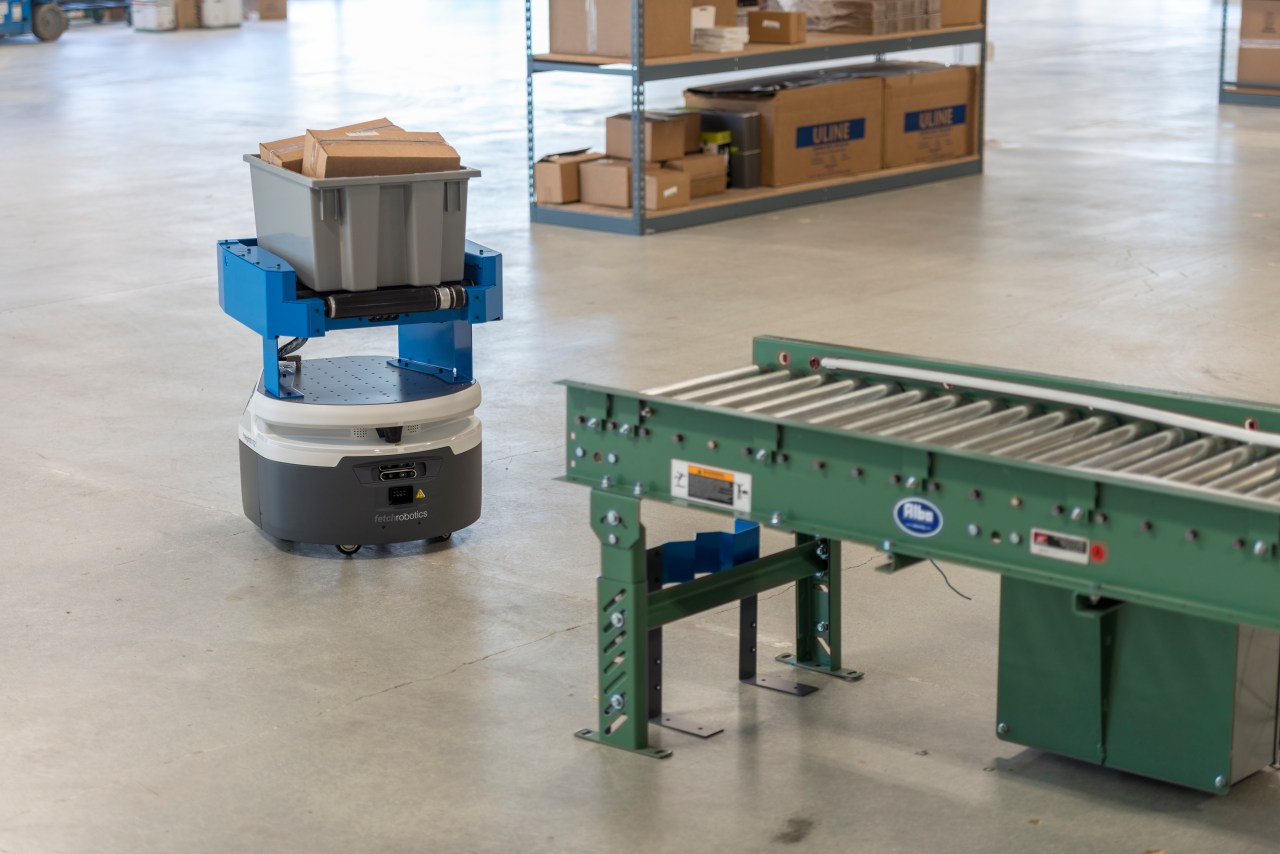
In the fast-paced world of logistics and warehousing, efficiency is paramount. With growing pressure from e-commerce giants like Amazon, businesses are under immense pressure to optimize their operations. Enter Fetch Robotics, a company that is redefining what it means to work alongside machines. Recently, Fetch announced two innovative robots designed to tackle common challenges in warehouse environments, giving a nod to the future of automated solutions.
A Fresh Approach to Warehouse Automation
Fetch Robotics has emerged as a leader in automation, recently completing a robust $25 million Series B funding round, bringing their total investment to $48 million. This growth underscores a vital need for automation as warehouses around the globe face staffing shortages and an increased demand for efficiency. Investors are clearly excited about the potential of Fetch’s technology, which is designed to help humans and robots co-exist and work collaboratively.
Introducing the New Robots: RollerTop and CartConnect
At the heart of Fetch’s innovation are two formidable additions to their lineup: the RollerTop and the CartConnect. These robots are designed to alleviate pain points commonly faced in warehouse operations.
- RollerTop: As the name suggests, this new module adds an array of powered rollers to the top of Fetch’s prominent VirtualConveyor robot, a sort of robotic Roomba for warehouses. The RollerTop makes it seamless for the robot to align with conveyor belts and transfer items, ensuring that packages can be efficiently passed along the flow of logistics.
- CartConnect: This innovative module is equipped with metal spikes that allow the robot to pick up and transport carts throughout the warehouse. By automating cart movement, companies can significantly reduce labor costs and minimize physical strain on warehouse workers.
A Strategy for the Future
During a recent discussion with Fetch CEO Melonee Wise, it became clear that the company is concentrating on module development rather than overhauling the core robotic hardware. The focus on accessories sheds light on how Fetch Robotics envisions the future of warehouse operations—versatile systems that can be tailored for a variety of tasks depending on the unique needs of each warehouse. In an industry where adaptability is key, this strategy places Fetch at the forefront of automated logistics.
The Warehouse Revolution and Its Implications
With big players like DHL already deploying Fetch’s robots, it’s evident that many organizations recognize the urgency to enhance their operations. As e-commerce continues to shape consumer expectations, the demand for automation is becoming increasingly critical. Automated robots, capable of handling repetitive tasks, promise to alleviate some of the pressures that warehouse workers face, which can lead to greater overall job satisfaction and lower turnover rates.
Conclusion: Embracing the Future of Logistics
As we move deeper into an era dominated by technological advancements, the integration of robots into warehouse operations must be viewed as an opportunity rather than a threat. Companies like Fetch Robotics are pioneering a path where human ingenuity and robotic efficiency go hand in hand to tackle the challenges of the modern supply chain. For forward-thinking businesses, adopting these technologies may well be the key to staying competitive and efficient. At fxis.ai, we believe that such advancements are crucial for the future of AI, as they enable more comprehensive and effective solutions. Our team is continually exploring new methodologies to push the envelope in artificial intelligence, ensuring that our clients benefit from the latest technological innovations. For more insights, updates, or to collaborate on AI development projects, stay connected with fxis.ai.