
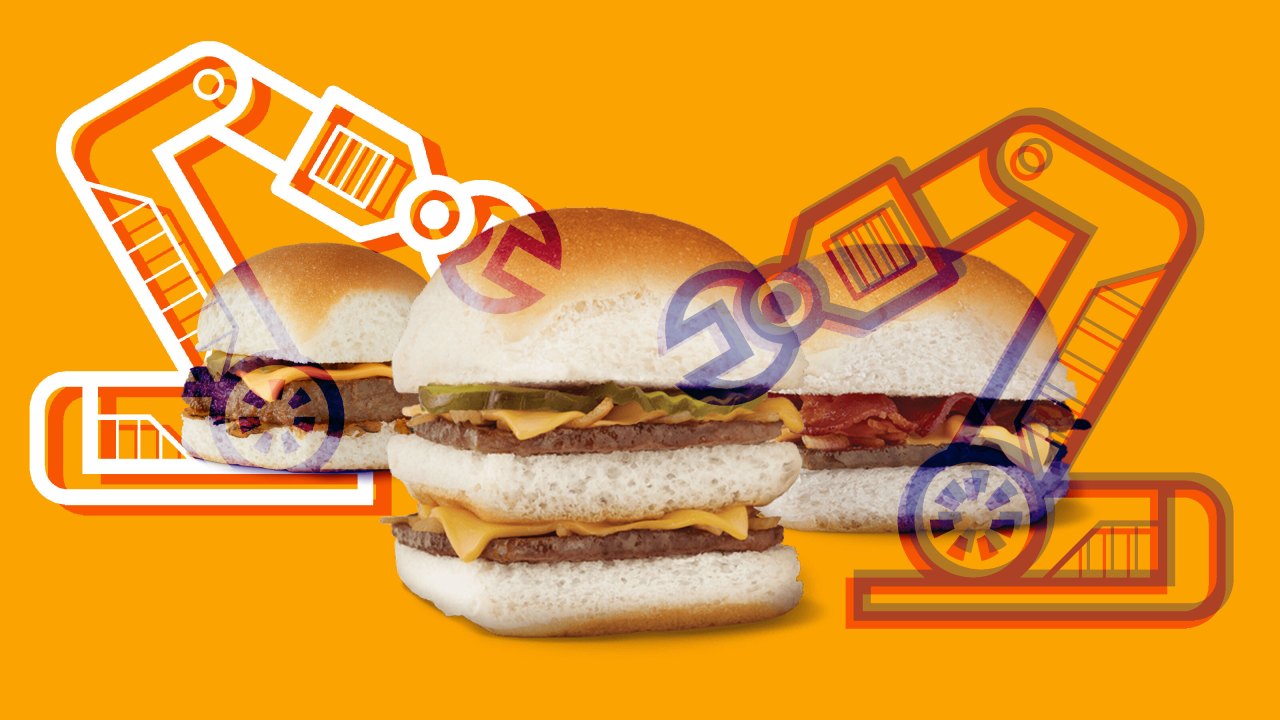
As the fast-food industry navigates the complexities of a post-pandemic world, innovative solutions are becoming the order of the day. Recently, White Castle, a beloved American burger chain, has taken a bold step forward by expanding its partnership with Miso Robotics to deploy more of their pioneering fry cook, Flippy. This enhancement isn’t just about automating kitchen tasks; it signifies a broader trend where technology is reshaping our dining experiences and workplace dynamics.
Embracing Technology to Enhance Operations
In recent years, eateries have sought ways to optimize their operations, especially during shifts when staff availability is low. Flippy, the robotic fry cook, is a game-changer, renowned for its efficiency in preparing fried foods. White Castle’s decision to incorporate ten additional Flippy units is part of a strategic move aimed at streamlining kitchen operations. Lisa Ingram, CEO of White Castle, expressed, “Artificial intelligence and automation have been an area White Castle has wanted to experiment with to optimize our operations and provide a better work environment for our team members.”
Why Robots Are the Future of Fast Food
The introduction of robots like Flippy reflects an important shift in how fast-food restaurants operate:
- Increased Efficiency: Flippy can cook up to 360 baskets of fried foods daily, optimizing turnaround times even during the busiest hours.
- Enhanced Food Safety: Robots reduce human interaction in food preparation thereby lowering the risk of contamination and ensuring a safer experience for both employees and customers.
- Workforce Freedom: Staff members can spend more time at the front of the house, engaging with customers and enhancing their overall dining experience instead of being tied to cooking tasks.
Leading the Charge in Fast Food Robotics
By becoming the first fast-food chain to pilot Flippy, White Castle is setting a powerful precedent for the industry. This initiative not only positions White Castle as a tech-savvy leader but also showcases how traditional chains can embrace future trends. The culinary landscape is rapidly evolving, and restaurants that harness such technology stand to gain a competitive edge.
The Journey Ahead
As White Castle continues to forge ahead with its robotics experiment, there’s a promise of even greater integration of technology into daily operations. The ability to handle significant volumes of food in shifts traditionally perceived as less appealing—like late-night hours—is transformative and speaks volumes about the potential of automation.
Conclusion
White Castle’s venture with Miso Robotics illustrates just one facet of a much larger narrative—the marriage of technology and service. As robots like Flippy redefine kitchen dynamics, the implications stretch far and wide, shaping the future of the fast-food industry. The success of these innovations could very well inspire other chains to follow suit, expanding the horizons of what dining out looks like.
At fxis.ai, we believe that such advancements are crucial for the future of AI, as they enable more comprehensive and effective solutions. Our team is continually exploring new methodologies to push the envelope in artificial intelligence, ensuring that our clients benefit from the latest technological innovations.
For more insights, updates, or to collaborate on AI development projects, stay connected with fxis.ai.