
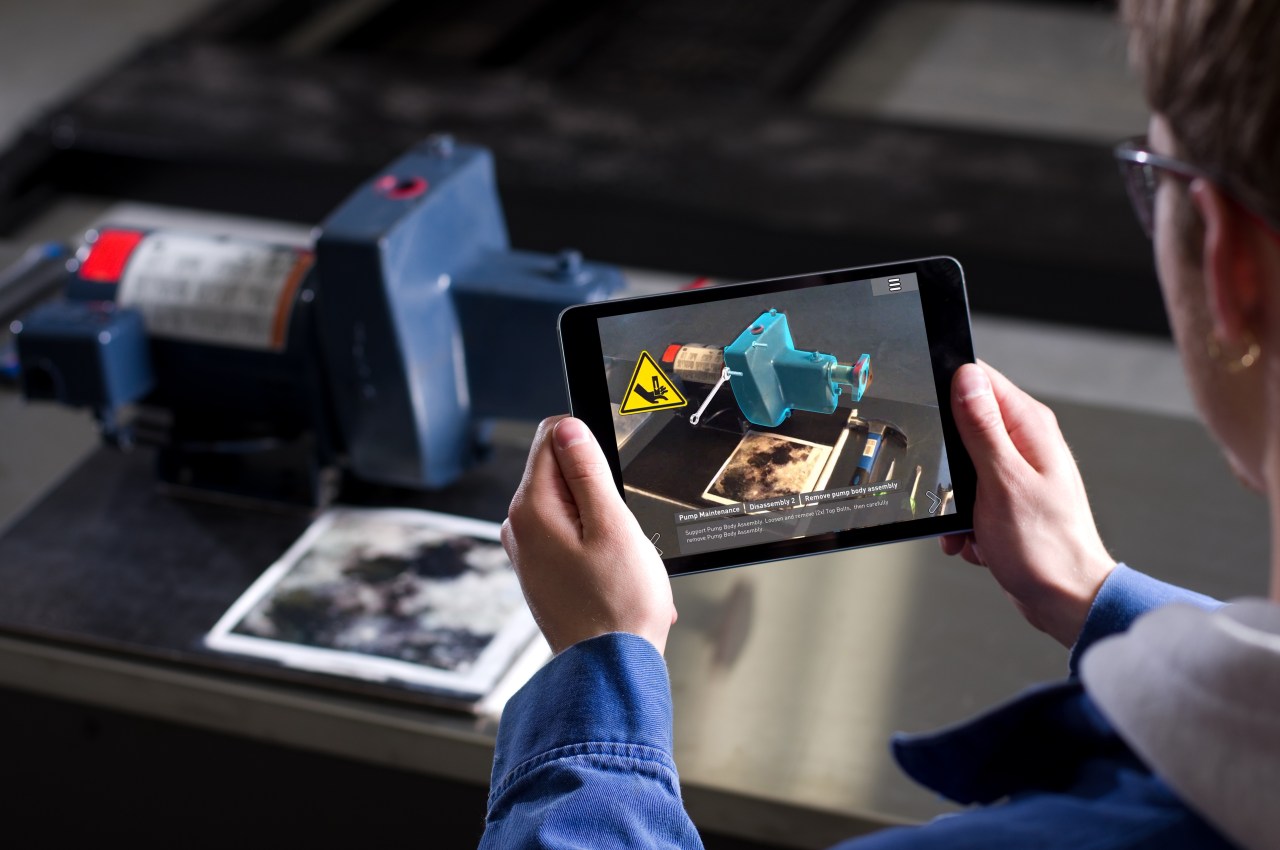
Back in the early days of augmented reality (AR), innovators like ScopeAR were trailblazers forging ahead into uncharted territory. It was 2011—a time when consumer awareness of AR was almost nonexistent, and the technology was still in its infancy. Fast forward to today, and what once seemed like an ambitious vision has become a burgeoning market promising immense potential within enterprise environments. ScopeAR’s journey is not just a tale of survival; it is a narrative about seizing opportunities, adapting to change, and pioneering applications that resonate in a practical context.
Innovative Tools for Today’s Workforce
ScopeAR offers two primary products: RemoteAR and WorkLink, each designed to address specific needs within various industries.
- RemoteAR: This tool provides a revolutionary approach to remote assistance. Imagine an expert looking over the shoulder of a technician in real-time, providing actionable feedback and guidance as they work. Using RemoteAR, experts can highlight critical points, such as components to remove or adjust, and send visual cues to non-experts on the ground. This is particularly beneficial in sectors where skilled workers are dwindling, allowing for real-time knowledge transfer while keeping experienced professionals out of harm’s way.
- WorkLink: This groundbreaking tool allows the integration of 3D CAD models with real-world equipment. By utilizing smart glasses like Microsoft Hololens, users can visualize intricate instructions superimposed on their physical environment. Whether it’s during installation, maintenance, or repair, WorkLink provides clear steps, enhancing efficiency and reducing the possibility of errors.
The Evolution of Augmented Reality
The landscape surrounding augmented reality has undergone a sea change. In 2017, both Apple and Google launched their AR development platforms—ARKit and ARCore, respectively. This shift heightened awareness and created fertile ground for the proliferation of AR applications. According to ScopeAR’s CEO, Scott Montgomerie, “Last year was the thing where AR took off.” The technological advancements coincided perfectly with their journey as developers, enabling them to deliver enterprise-specific use cases that have led to substantial revenue growth.
With the stakes getting higher, ScopeAR has also been smart about strategic partnerships and collaborations, working with giants like NASA, Boeing, and Toyota. These relationships not only provide invaluable consulting experience but also validate their tools in rigorous environments.
Funding and Future Prospects
While the company has taken a cautious approach to funding, receiving a total of $5.7 million through three seed rounds, the projections suggest that a Series A round could be on the horizon. The pace of their growth, especially after tripling their revenue in 2017, indicates a demand for their services that is only expected to rise.
The urgency of expertise transfer across aging workforces only reasserts the potential impact of scalable tools like RemoteAR and WorkLink. For companies facing significant skill gaps due to retiring employees, these technologies offer solutions that protect institutional knowledge while fostering skill development among new employees.
Conclusion: The Future is Augmented
ScopeAR stands at the crossroads of technology and practicality, channeling the power of augmented reality into tools that address real-world challenges faced by industries today. As technological advancements continue to rise, so does the potential for ScopeAR’s offerings to revolutionize training and skills transfer in various sectors, paving the way for a more capable workforce.
At fxis.ai, we believe that such advancements are crucial for the future of AI, as they enable more comprehensive and effective solutions. Our team is continually exploring new methodologies to push the envelope in artificial intelligence, ensuring that our clients benefit from the latest technological innovations.
For more insights, updates, or to collaborate on AI development projects, stay connected with fxis.ai.