
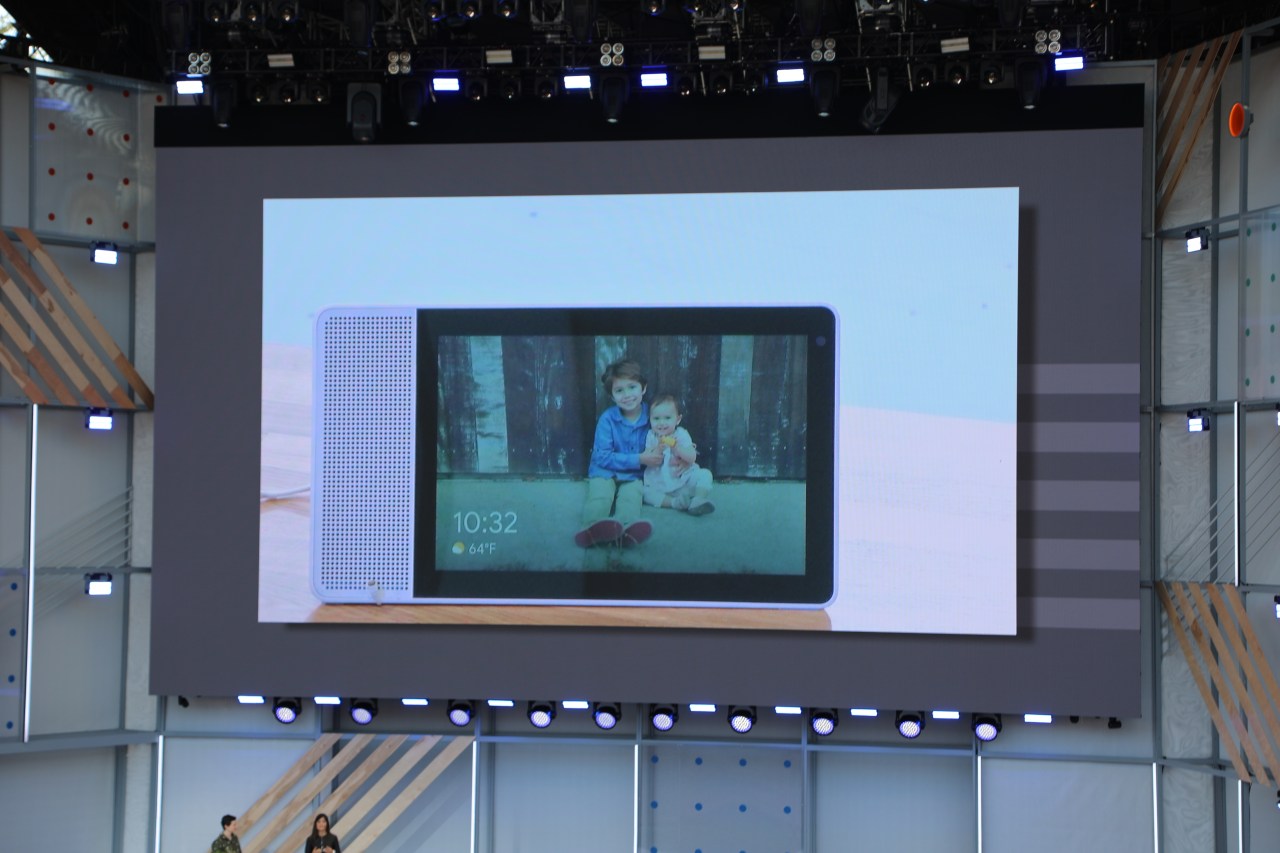
In the ever-evolving landscape of smart technology, Google has made a noteworthy stride with its introduction of Smart Displays. Initially teased during CES, these devices aim to marry the capabilities of voice assistance with the visual elements of smart screens, setting the stage for a new era in user interaction. With their official launch approaching in July, let’s explore what these Smart Displays promise and how they fit into the competitive ecosystem of smart devices.
A New Era for Google Assistant
Google has always been at the forefront of AI and voice recognition technology. The Smart Displays aim to enhance the user experience by incorporating a visual-first approach to its Assistant service. Imagine asking your Assistant about the weather while viewing live updates, or searching for a recipe while watching a step-by-step video tutorial. This provides a level of interactivity that can make everyday tasks more engaging.
The Competitors: An Ecosystem of Options
While Google sets its sights on launching Smart Displays, the competition is heating up with multiple players entering the arena:
- Lenovo: Known for its sleek design, Lenovo has positioned itself as a leading manufacturer in this category, showcasing its device as a centerpiece of Google’s efforts.
- JBL: With a reputation for rich audio experiences, JBL enhances the Smart Display with quality sound, making it ideal for multimedia consumption.
- LG and Sony: Both giants are expected to contribute to a diverse range of offerings, ensuring that consumers will have ample choices when considering smart displays.
This variety speaks to a broader trend in the smart device market, where consumers no longer have to settle for a one-size-fits-all solution. Instead, brands are competing fiercely to carve out unique niches and to meet varied user needs.
Content is King: Leveraging YouTube
A major component of Google’s strategy rests heavily on content—particularly video. YouTube serves as the lifeblood of Google’s Smart Displays, creating a mutually beneficial partnership that adds significant value. During the development process, tensions arose between Google and Amazon regarding access to video content. Google famously withdrew YouTube from Amazon’s Echo Show, signaling its intent to control the narrative around its offerings.
With Smart Displays, Google is not only reclaiming the content sphere but also leveraging its vast library to keep users engaged. The ability to watch, listen, and interact with content seamlessly is a game-changer for how devices will be used in homes.
The Future of Smart Displays
As we anticipate the official launch in July, the excitement surrounding Smart Displays highlights a pivotal moment in smart technology. With their ability to blend visual engagement with voice-assisted convenience, these devices could significantly alter how users approach daily tasks, entertainment, and even home automation.
At fxis.ai, we believe that such advancements are crucial for the future of AI, as they enable more comprehensive and effective solutions. Our team is continually exploring new methodologies to push the envelope in artificial intelligence, ensuring that our clients benefit from the latest technological innovations.
Conclusion
The debut of Google’s Smart Displays marks an exciting chapter in the landscape of smart technology. By merging voice assistance with visual elements, these devices promise to enrich user experience while fostering competition among industry giants. As we watch this category evolve, staying informed about the innovations and trends within the space will be key to understanding the future of smart home technology.
For more insights, updates, or to collaborate on AI development projects, stay connected with fxis.ai.