
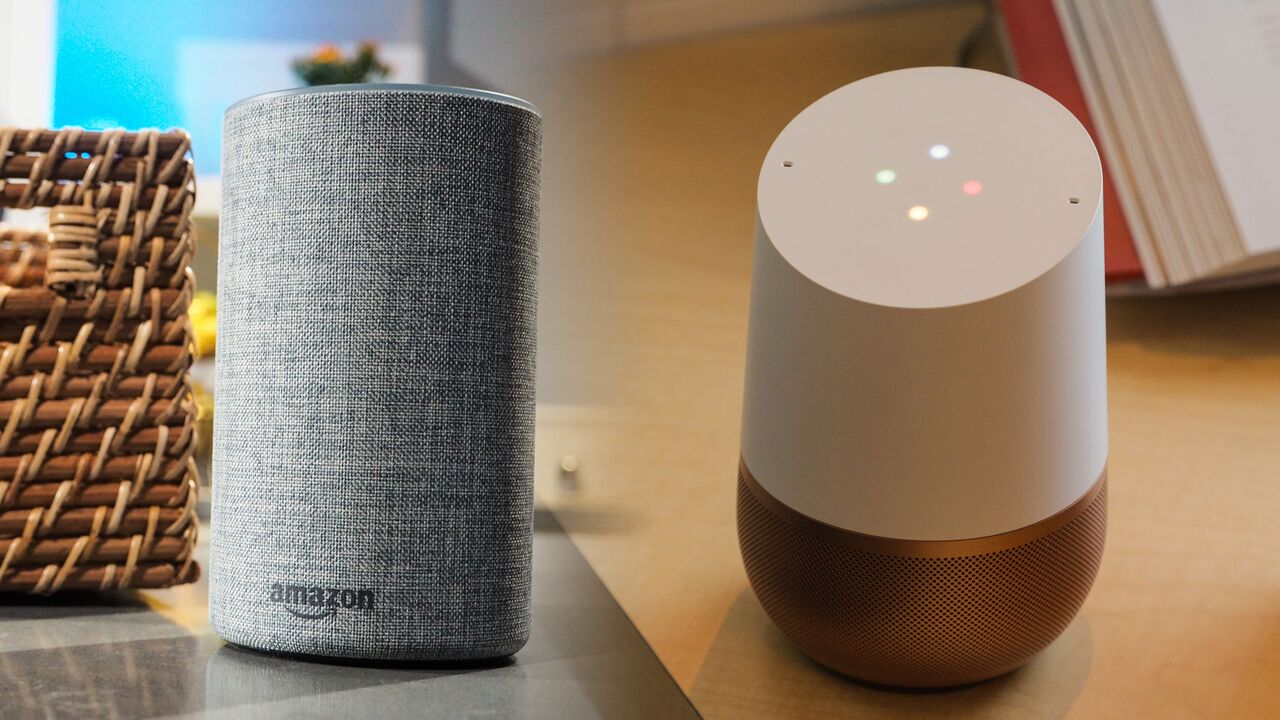
The digital age has ushered in a plethora of connected devices, but none has gained traction quite like the smart speaker. According to recent studies, around 47.3 million adults in the U.S. now have access to these voice-activated devices, representing approximately 20% of the adult population. This rapid adoption of smart speakers indicates that they have not only penetrated our homes but are also reshaping the way we interact with technology.
Understanding Smart Speaker Adoption
It’s crucial to clarify what “access to a smart speaker” means; having one in the home does not solely designate you as a primary user. Often, a partner, roommate, or family member is the main user, which places smart speakers in a unique category when compared to more traditional technologies like smartphones that typically have a singular ownership structure.
Speed of Adoption: A Technological Milestone
The ascent of smart speakers is impressive when compared to the adoption rates of other technologies:
- Television: It took 13 years to reach 50 million users.
- Internet Access: 4 years for 50 million users.
- Facebook: 2 years to hit 50 million users.
For smart speakers to arrive at 47.3 million users in just two years speaks volumes about the shifting dynamics of technology consumption today. Furthermore, the comparative ease of acquisition—often a few hundred dollars less than purchasing a TV—has notably sped up this process.
Demographics Behind the Devices
The survey showcasing these figures also revealed insightful demographic trends among smart speaker users. Currently, a majority—57.8%—of owners identify as male, while 42.2% are female. Interestingly, about two-thirds of users own a single device, suggesting that while initial interest is high, there may be a limit to how many devices a household deems necessary.
This single-device trend leads to significant competition among manufacturers like Amazon, Google, and Apple. It’s a survival game where achieving preference in the home could dictate market survival. Adding to this, the survey indicates a future opportunity for developers focusing on workplace voice apps, which haven’t yet seen their prime.
Consumer Habits: Where Do They Use Their Smart Speakers?
Where are these devices primarily used? The living room (45.9%), kitchen (41.4%), and bedroom (36.8%) are the top three locations, with home offices trailing at 10.9%. This distribution emphasizes an ongoing need for developers to create applications centered around entertainment and functionality relevant to these primary living areas.
Market Leaders and Economic Preferences
Amazon continues to dominate the smart speaker market, owning a whopping 71.9% of installations, substantially outperforming Google at just 18.4%. However, regional differences are worth noting—while Amazon leads in markets like the UK and Germany, Google has made significant headway in countries including Canada and France.
Income levels also play a role in smart speaker ownership: households with above-average income are more inclined to select Amazon Echo devices, while those with incomes below average tend to favor Google’s offerings. Interestingly, iPhone users are 22% more likely to own an Amazon speaker, showcasing how device loyalty can influence subsequent purchases.
Conclusion: The Future of Smart Speakers
The growth of smart speakers in American households shows no signs of abating. As they continue to establish themselves as an essential part of the smart home ecosystem, the future of smart speakers appears bright. Opportunities abound for developers focusing on tailored experiences, and we can only anticipate the subsequent waves of innovation that will further integrate smart speakers into our daily lives.
At fxis.ai, we believe that such advancements are crucial for the future of AI, as they enable more comprehensive and effective solutions. Our team is continually exploring new methodologies to push the envelope in artificial intelligence, ensuring that our clients benefit from the latest technological innovations.
For more insights, updates, or to collaborate on AI development projects, stay connected with fxis.ai.