
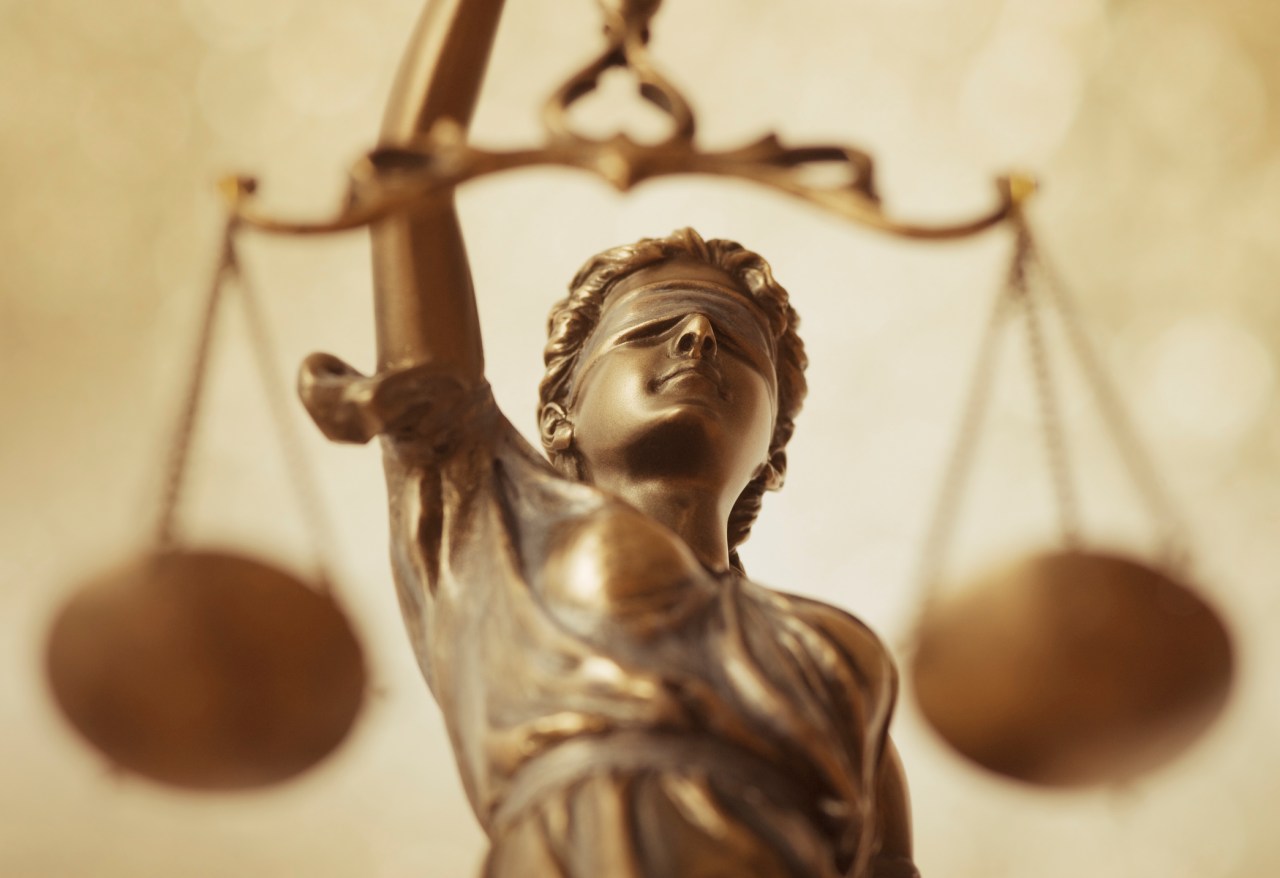
As generative AI firmly establishes itself in the tech landscape, it also finds itself ensnared in a web of legal complexities. At the forefront are a series of lawsuits aiming to clarify the murky waters of copyright law as they apply to artificially generated content. Companies like Microsoft, GitHub, and OpenAI are currently navigating a class action suit, facing accusations of copyright infringement stemming from their AI code generation tools. Meanwhile, players in the art community like Midjourney and Stability AI are under scrutiny for allegedly using artists’ work without consent. These unfolding legal battles signal that we are merely witnessing the tip of the iceberg in what promises to be a turbulent time for generative AI and its stakeholders.
Understanding the Legal Landscape
The litigation surrounding generative AI raises significant questions about intellectual property, copyright infringement, and the responsibilities of AI developers. The core issue revolves around how AI models are trained—what data they use and whether they inadvertently replicate copyrighted content.
- Coding Controversies: The legal action against Microsoft, GitHub, and OpenAI mainly hinges on their AI systems generating code that resembles copyrighted snippets. Critics argue that this undermines the principles of intellectual property rights and damages individual developers.
- Artistic Integrity: Artists have voiced their concerns about AI tools like Stable Diffusion and Midjourney, which allegedly utilize millions of images scraped from the internet without permission. This not only threatens their livelihoods but also raises questions about the originality of AI-generated art.
The Implications of Copyright Laws
Current copyright laws are being tested in unprecedented scenarios. Generative AI technology often flouts traditional boundaries, making it complicated for courts to define and enforce what constitutes infringement. For instance, a recent academic study found instances where AI-generated images closely mirrored their training data, complicating the argument of artistic transformation.
Legal experts like Eliana Torres suggest that establishing a direct link between the artwork generated by AI systems and the specific training images used will be a monumental challenge. This brings us to the question: Should responsibility fall on the creators of AI systems or the entities compiling datasets?
What Constitutes Fair Use?
The doctrine of fair use remains a critical aspect of many of these cases. Supporters of generative AI argue that the end products are transformative enough to bypass copyright concerns—much like Google’s case, where scanning copyrighted material for a digital library was deemed fair. Yet, unlike static content, generative AI creates in real-time, adding complexity to determining whether outputs can be classified as transformative.
Next Steps for Companies in the AI Arena
In this evolving scenario, companies must adopt proactive measures to navigate potential legal pitfalls. Both Torres and Andrew Burt, a law firm founder, offer perspectives on effective strategies.
- Terms of Use: Be vigilant with the terms outlined by generative AI tools. Platforms like Midjourney and OpenAI operate under differing policies, making it essential for users to understand their rights before commercial use.
- Risk Management Frameworks: Employing frameworks like the AI Risk Management Framework by the National Institute of Standards and Technology can help companies approach AI with caution. Regularly testing and monitoring AI systems for potential risks can mitigate significant liabilities.
Looking Forward: The Future of Generative AI
As litigation continues to rise, it’s clear that generative AI’s impact on various industries demands urgent attention. Legal scholars and practitioners are advocating for timely policy updates to foster innovation while also protecting creators’ rights. Initiatives like the opt-out system from Stability AI give creators a say in whether their work gets utilized, creating a balance between enabling AI innovation and respecting individual rights.
The future will require a nuanced understanding of how generative AI operates coupled with clear legal guidelines to safeguard both business interests and creative integrity. As Heather Meeker wisely cautions, a nebulous legal landscape may inhibit development opportunities, hindering innovation for years to come.
Conclusion
In summary, as generative AI becomes a larger segment of our digital ecosystem, the legal ramifications it carries are set to intensify. The urgent need for clarity around copyright issues and ethical responsibilities underscores the importance of ongoing dialogue between creators, companies, and legal experts to forge a sustainable path forward.
At fxis.ai, we believe that such advancements are crucial for the future of AI, as they enable more comprehensive and effective solutions. Our team is continually exploring new methodologies to push the envelope in artificial intelligence, ensuring that our clients benefit from the latest technological innovations. For more insights, updates, or to collaborate on AI development projects, stay connected with fxis.ai.