
As technology continues to evolve, the automotive industry finds itself at a crucial juncture, one that promises to redefine not just how we commute, but the very fabric of mobility itself. In a significant announcement, Honda has positioned itself as a pioneer with plans to mass-produce Level 3 autonomous vehicles by March of the coming year. The company’s ambitious initiative serves as a harbinger of progress within a rapidly changing landscape, marked by innovation and a race to capitalize on autonomous driving capabilities.
Honda’s Traffic Jam Pilot: A Game Changer
The core of Honda’s venture hinges on its cutting-edge “Traffic Jam Pilot” technology, which recently received the green light from the Japanese government. Unlike traditional systems, Honda’s upcoming vehicles will enable drivers to momentarily disengage from the driving task during congested traffic situations, effectively taking their eyes off the road. This marks a pivotal milestone, as it represents the first time such capabilities have been sanctioned for mass production.
- Understanding SAE Levels: Autonomous driving is categorized into six levels, with Level 3 being the first to provide significant autonomy. While drivers do have to be ready to regain control, the vehicle will handle the driving task in specific conditions.
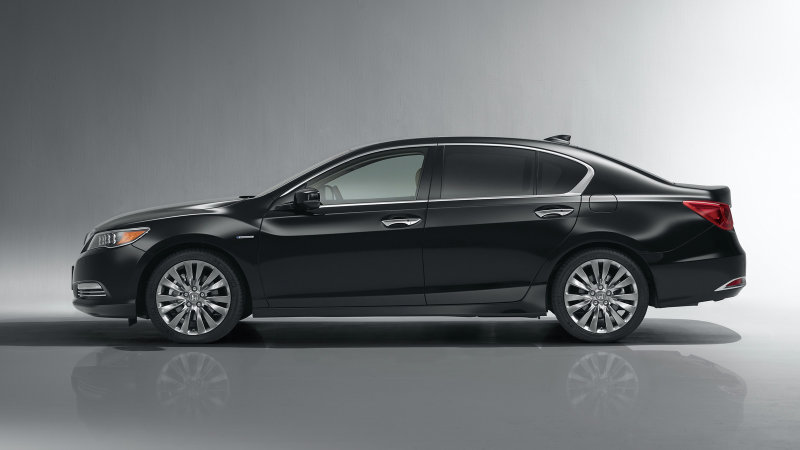
- The Honda Legend: This luxury sedan will be the flagship model equipped with the newly approved automated driving system, showcasing Honda’s commitment to leading in this domain.
A Comparison: Honda vs. Tesla’s “Full Self-Driving”
In the landscape of autonomous vehicles, Honda’s foray into Level 3 technology is particularly noteworthy against the backdrop of rival companies like Tesla, which has touted its “Full Self-Driving” beta program. However, the distinction is crucial: while Tesla’s offering appears to be more advanced, critics argue that it doesn’t meet the regulatory standards to classify it as fully autonomous.
- Regulatory Scrutiny: As Honda prepares for its official rollout, the scrutiny from regulators and consumers alike will be immense. This can ensure a more measured approach to enabling truly autonomous systems.
- Public Perception: Honda’s success or failure in this venture could influence public confidence in autonomous technologies, shaping consumer attitudes toward fully automated vehicles.
The Future of Mobility: What Lies Ahead
Honda’s initiative signifies more than just an introduction of a new vehicle model; it symbolizes the dawn of a broader acceptance of autonomous technologies among consumers. With the world closely watching, the success of the Honda Legend’s Level 3 capabilities may pave the way for other manufacturers to follow suit. Furthermore, advancements like this are crucial for developing a more integrated and automated transportation infrastructure.
At fxis.ai, we believe that such advancements are crucial for the future of AI, as they enable more comprehensive and effective solutions. Our team is continually exploring new methodologies to push the envelope in artificial intelligence, ensuring that our clients benefit from the latest technological innovations.
Conclusion: Are We Ready for Level 3 Autonomy?
Honda’s upcoming mass production of Level 3 autonomous vehicles represents a critical milestone in the automotive evolution. As technology continues to blend seamlessly with our daily lives, the ramifications of this movement towards autonomy will be felt across the industry—prompting other manufacturers to innovate and regulators to adapt their frameworks. The Honda Legend could very well become a case study—the first true test of a mass-produced, regulator-approved autonomous vehicle system.
For more insights, updates, or to collaborate on AI development projects, stay connected with fxis.ai.