
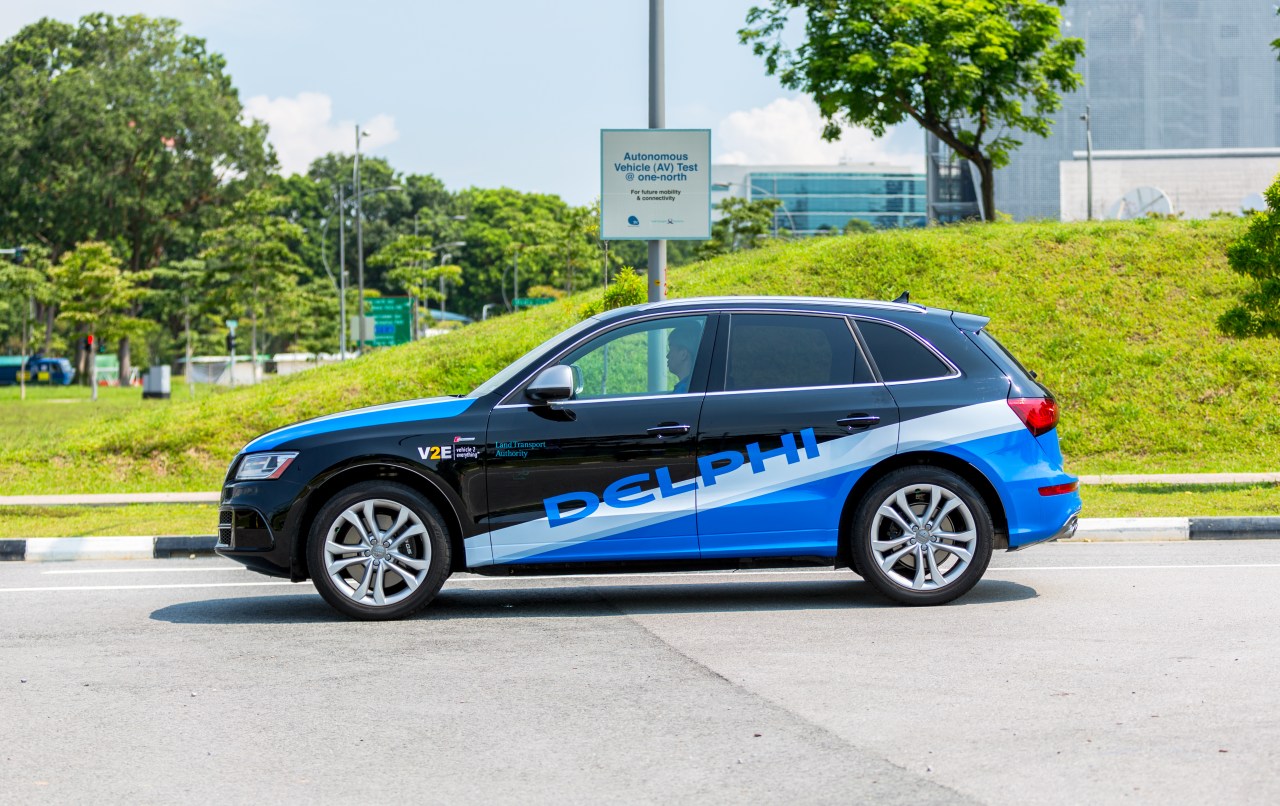
The automotive landscape is undergoing a revolutionary transformation, and at the forefront of this rapid evolution are industry leaders Mobileye and Delphi. In a move that could redefine the parameters of self-driving technology, these two companies announced their partnership with a goal of bringing Level 4 and Level 5 autonomous vehicles to market as early as 2019. With promises of safer roads and more efficient travel, this collaboration makes an intriguing case for the future of transportation.
Understanding Levels of Autonomy
Before diving into the particulars of the Mobileye and Delphi alliance, it’s essential to grasp what Level 4 and Level 5 automation entail. These levels represent advanced stages of self-driving capability:
- Level 4: The vehicle can handle all driving tasks, even in some specific environments. However, it still retains manual controls for drivers if needed.
- Level 5: True autonomy, where the vehicle operates without any driver input across all environments, allowing passengers to focus on other activities.
The Vision Behind the Partnership
Mobileye, renowned for its cutting-edge image processing and computer vision systems, is collaborating with Delphi, a proficient self-driving software and hardware provider, to develop a comprehensive solution for original equipment manufacturers (OEMs). This partnership aims to deliver an end-to-end system that streamlines the deployment of autonomous vehicles into the market. According to Delphi CEO Kevin Clark, this endeavor aims to maintain essential manual controls—steering wheel, brake, and gas pedal—in the car for personal safety and driver comfort, a noteworthy contrast to the vision proposed by some other automakers.
Cost Efficiency and Technological Integration
One of the prevailing challenges in the journey toward full autonomy is the cost of integrating advanced technology into vehicles. Mobileye’s CTO, Amnon Shashua, has emphasized reducing expenses, stating that their proposed system is designed to be “camera and radar-centric,” which could significantly lower overall hardware costs to just a few thousand dollars. This financial consideration is pivotal, especially as companies strive to make self-driving cars accessible to consumers.
Regulatory Landscape and Safety Concerns
The heightened urgency to roll out Level 4 and 5 autonomous cars can’t be understated. Regulatory scrutiny surrounding autonomous vehicle operations is increasing, impacting how quickly companies can bring their tech to market. Clarke noted that the growing demand for active safety solutions directly influences the push for high-level autonomous driving systems. The success of global shared mobility solutions has also accelerated consumer expectations for self-driving technologies.
The Future Unfolds at CES
The partnership’s first substantial showcase is anticipated at the 2017 Consumer Electronics Show (CES), where the fledgling technology will be demonstrated across urban settings and highways. This exhibition will not only highlight the technological prowess of Mobileye and Delphi but also provide valuable insights into the public perception of self-driving capabilities.
Conclusion: The Dawn of a New Age
Mobileye and Delphi’s joint efforts paint an encouraging picture of the future of transportation. By tackling road safety concerns and reducing manufacturing costs, they pave the way for widespread acceptance and implementation of autonomous vehicles. While challenges remain, the road toward Level 4 and Level 5 autonomy is clearly gaining traction, heralding an era where road travel can be both safer and more enjoyable.
At fxis.ai, we believe that such advancements are crucial for the future of AI, as they enable more comprehensive and effective solutions. Our team is continually exploring new methodologies to push the envelope in artificial intelligence, ensuring that our clients benefit from the latest technological innovations. For more insights, updates, or to collaborate on AI development projects, stay connected with fxis.ai.