
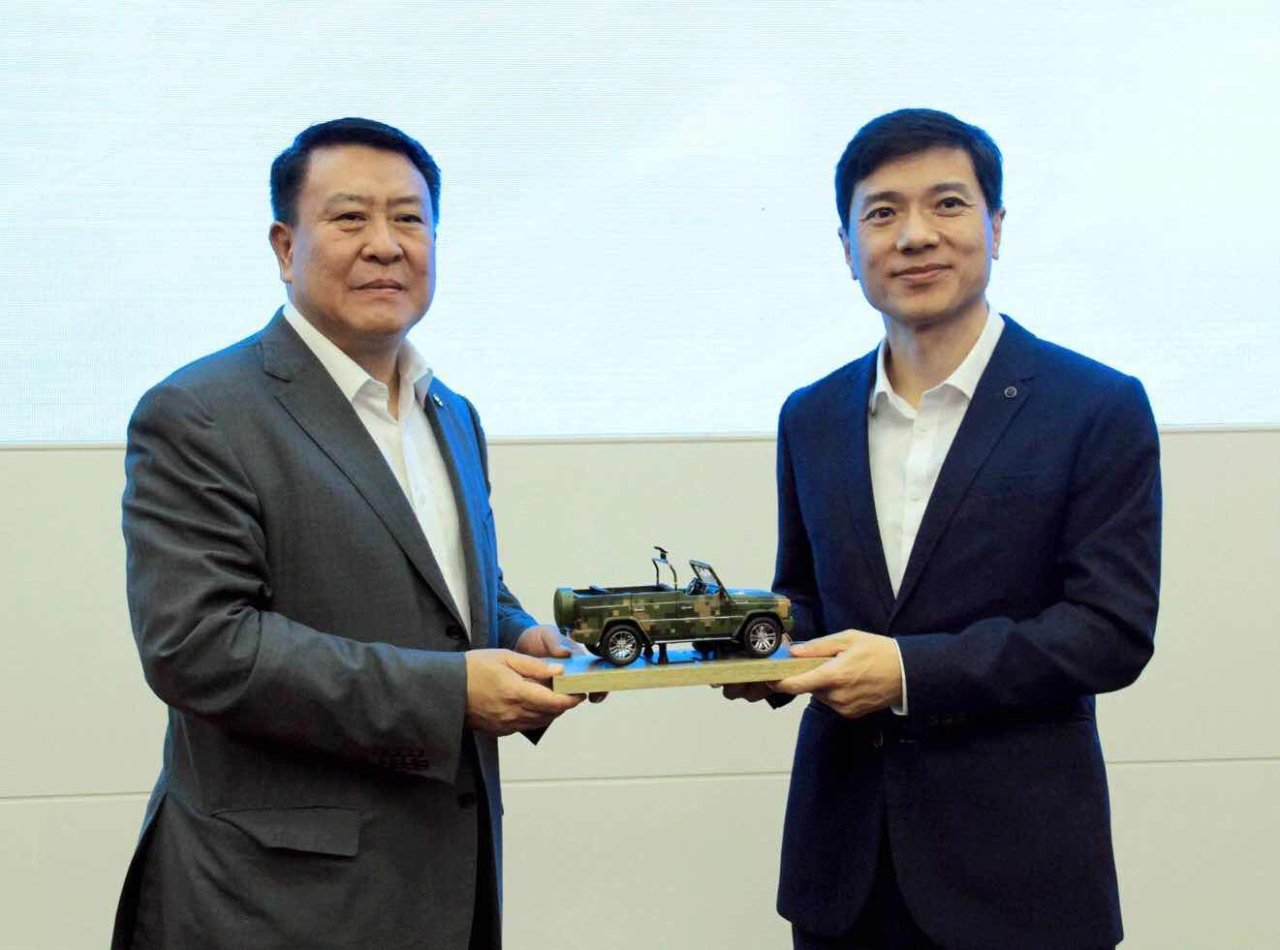
The rise of autonomous vehicles represents a pivotal transformation in the automotive landscape, a journey being spearheaded by tech giants and traditional automakers alike. Among these ambitious endeavors, the partnership between Baidu, China’s internet technology powerhouse, and BAIC Group, a prominent Chinese automaker, stands out. This alliance aims to change the game for autonomous driving, aiming for large-scale production of Level 4 self-driving cars by 2021. But what does this mean for the future of transportation, and can we expect to see these advancements on our roads anytime soon?
Understanding Level 4 Autonomy
Before diving into the partnership details, it’s essential to grasp what Level 4 autonomy entails. According to the SAE International Levels of Driving Automation, Level 4 vehicles can operate without human intervention in specific conditions or environments. This means that while a Level 4 car can navigate itself in designated areas—like city centers or on highways—there may still be restrictions on where it can go independently.
- Features of Level 4: Complete self-driving in predefined scenarios, the ability to handle common driving tasks, and minimal need for human oversight.
- What’s Next? Understanding these capabilities allows us to appreciate the intricacies involved in developing autonomous driving technology, which isn’t just about making a car that drives itself; it’s about ensuring safety, reliability, and trust.
The Baidu-BAIC Partnership: A Match Made for Innovation
Baidu and BAIC announced their collaboration aiming for mass production of smart driving vehicles reliably. By leveraging Baidu’s expertise in artificial intelligence and vehicle connectivity, along with BAIC’s robust manufacturing capabilities, this partnership is set to create a notable impact in the industry.
Key elements of their plan include:
- Integration of Advanced Technologies: Baidu will be contributing its strengths in cybersecurity, image recognition, and AI-driven self-driving technologies, along with its virtual assistant, DuerOS. This concoction will empower vehicles with smarter navigation and enhanced safety features.
- Timeline for Impact: By 2019, they aim for over 1 million BAIC vehicles to be equipped with Baidu’s networking technology, signaling a robust entry into the mainstream market.
- Cloud-Based Ecosystem: A collaborative effort towards building an automotive ecosystem that includes crowd-sourced traffic information, dynamic navigation, and other services will further refine the driving experience.
The Industry Landscape: Competitive Drive for Autonomous Spaces
Baidu and BAIC’s venture is not an isolated effort. Global competitors like GM, through its subsidiary Cruise Automation, are also accelerating toward mass production of self-driving vehicles. The competition to lead the autonomous vehicle market continues to intensify, driven by innovations and partnerships across various tech and automotive sectors.
This race is not just about technology but who can establish a comprehensive business model that encompasses manufacturing, software, and user engagement.
Driving Towards the Future
As we look toward the future, the partnership between Baidu and BAIC is positioned to redefine what is possible in autonomous transportation. With level 4 self-driving cars on the horizon, we can anticipate revolutionary changes in personal and public transport.
Moreover, such advancements will catalyze discussions about regulations, safety protocols, and public acceptance of autonomous vehicles, ushering in a new era of mobility.
At [fxis.ai](https://fxis.ai/edu), we believe that such advancements are crucial for the future of AI, as they enable more comprehensive and effective solutions. Our team is continually exploring new methodologies to push the envelope in artificial intelligence, ensuring that our clients benefit from the latest technological innovations.
Conclusion: A Road Full of Possibilities
The collaboration between Baidu and BAIC encapsulates a shared vision for a future where cars drive themselves safely and efficiently. As the world inches closer to realizing the dream of autonomous driving, it’s crucial to stay informed about the rapid developments in this field and the partnerships emerging to make it a reality.
For more insights, updates, or to collaborate on AI development projects, stay connected with [fxis.ai](https://fxis.ai/edu).