
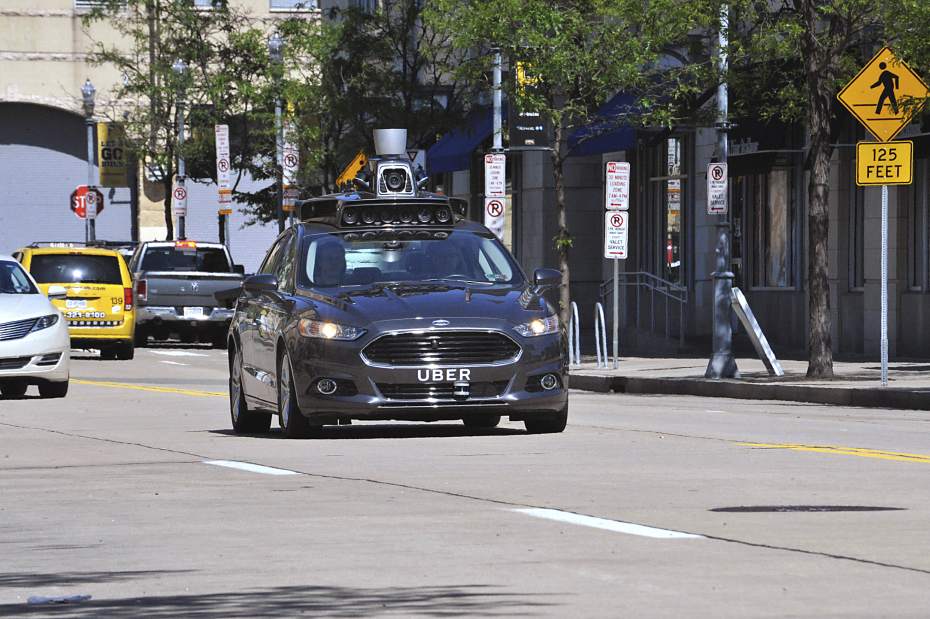
In the realm of innovation, few topics are as thrilling and transformative as autonomous vehicles. Since its inception, Uber has consistently been at the forefront of technological advancements, and its recent foray into self-driving cars has sparked both excitement and discussion. While it’s been known that Uber has been investing in autonomous vehicle technologies, the company recently confirmed its testing initiatives in Pittsburgh, paving the way for what might become a pivotal chapter in urban transportation.
Pittsburgh: The Ideal Testing Ground
Pittsburgh’s unique urban landscape provides a challenging but perfect environment for testing self-driving technology. With its steep hills, narrow streets, unpredictable weather, and remnants of outdated infrastructure, the city serves as a rigorous proving ground. Uber’s John Bares articulated beautifully why this diverse tapestry of conditions is ideal for refining their autonomous systems. If self-driving cars can navigate Pittsburgh, they should be able to perform equally well in virtually any urban setting.
- Adverse Weather: Frequent rain and snow present unique challenges that self-driving cars must learn to overcome, ensuring they can handle all conditions safely.
- Narrow Streets: The city’s tight, often winding roads put a strain on navigation systems, testing the limits of the technology.
- Traffic Dynamics: The dense mix of local traffic patterns requires advanced decision-making algorithms, providing critical data for the systems in development.
The Technology Behind the Wheel
Uber’s vehicles utilize a sophisticated array of sensors that include cameras, lasers, and radar, capable of viewing up to 100 meters in any direction. This panoramic vision allows the cars to make split-second decisions much like a human driver would. Strikingly, Uber reports that its self-driving efforts have not resulted in any collisions with other road users, indicating promising progress in the ongoing evolution of autonomous technologies.
A Collective Effort
Staying ahead of the curve in the ever-evolving landscape of self-driving technology is no small feat. In addition to their own initiatives, Uber has joined forces with other industry leaders like Google, Lyft, Volvo, and Ford through the Self-Driving Coalition for Safer Streets. This coalition works collaboratively to advocate for legislative frameworks that can support the safe introduction of autonomous vehicles into public spaces. The National Highway Traffic Safety Administration has hinted that it may unveil relevant regulations as early as July, marking a significant milestone for the industry.
Looking Forward: Challenges and Expectations
While the advancements are exhilarating, it’s important to acknowledge that the technology is still in its infancy. John Bares himself advised that we shouldn’t expect to hail a driverless Uber in the immediate future. Real-world testing requires extensive iterations to ensure both reliability and safety. As such, the current phase is about learning and improving rather than rushing into widespread deployment.
Conclusion: The Road Ahead
As Uber pushes the boundaries of what is possible in self-driving technology, the implications extend beyond just convenience. Autonomous vehicles could reshaping cities, influencing urban design and reducing traffic congestion. The journey towards a fully autonomous ride-hailing service is filled with both challenges and monumental opportunities, and companies like Uber are at the helm of this transformation.
At fxis.ai, we believe that such advancements are crucial for the future of AI, as they enable more comprehensive and effective solutions. Our team is continually exploring new methodologies to push the envelope in artificial intelligence, ensuring that our clients benefit from the latest technological innovations.
For more insights, updates, or to collaborate on AI development projects, stay connected with fxis.ai.