
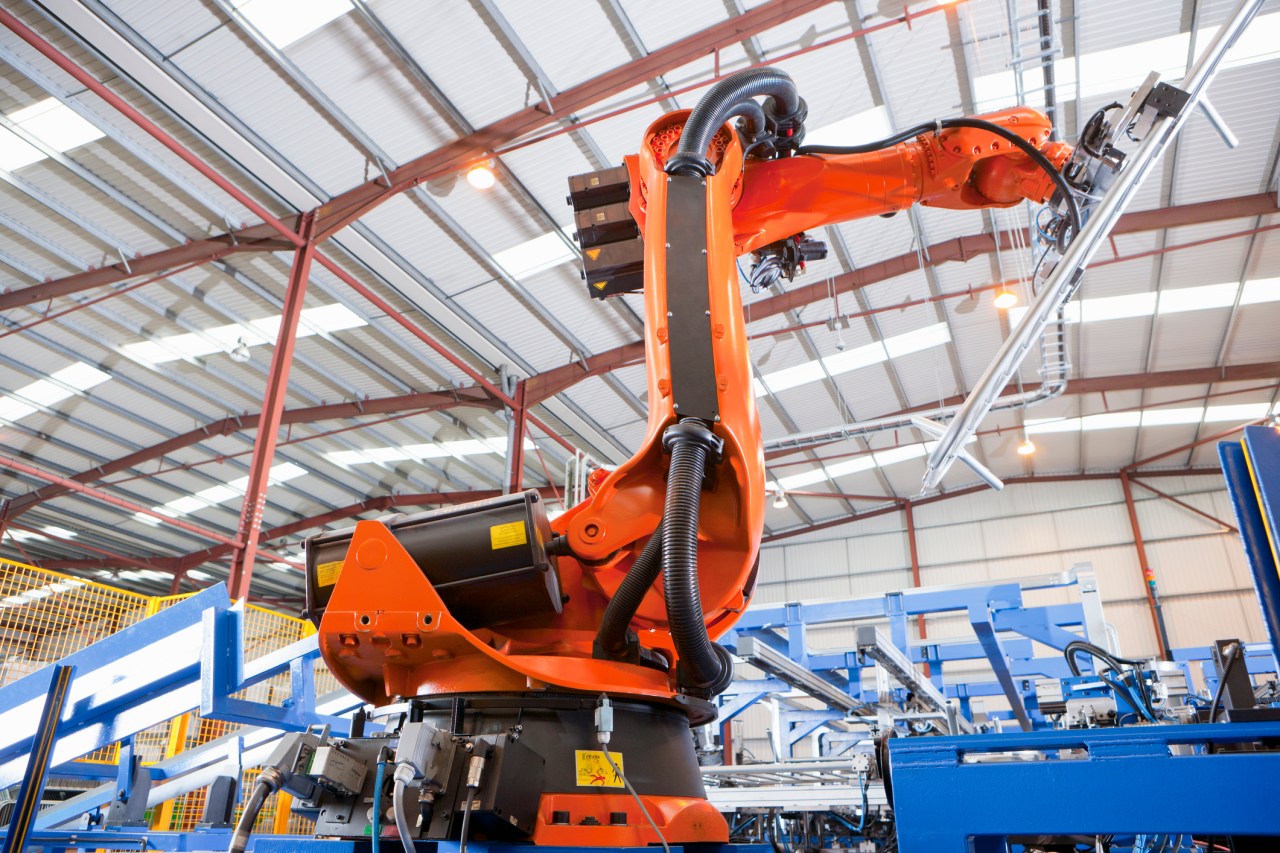
With rising tides of technology washing over the manufacturing sector, it’s time to sift through the waves of concern and discover the opportunities that industrial robots present. The prevalent narrative viewers are fed suggests a bleak outlook, characterized by job loss and economic instability, yet the reality is quite the opposite. In fact, robots are set to revolutionize manufacturing and bring abundant benefits to North American industries.
Understanding the Shift in Manufacturing Dynamics
For decades, we have watched the manufacturing industry adapt, especially given the competition from international markets. A significant portion of jobs has transitioned overseas, creating anxiety about the future of local employment. Between 2000 and 2010, the U.S. lost 5.6 million jobs, and many continue to attribute this loss to globalization and outsourcing. Nevertheless, what’s often overlooked is that a staggering 85% of these job losses were due to productivity advancements, namely automation.
The question must be asked: Are robots actually taking our jobs, or are they evolving the nature of work in the manufacturing sector? It turns out that robots are not the job thieves they are often unfairly portrayed as. Rather, they are changing the landscape in ways that promote job satisfaction, safety, and efficiency.
Embracing a New Workforce Paradigm
- Enhanced Education and Skills: As jobs evolve, so too does the skill set required of workers. Today’s manufacturing jobs demand higher education and specialized training to manage machinery and technology, allowing individuals to acquire valuable skills that are transferable across various industries.
- Job Enrichment: Robots are taking over perilous and monotonous tasks, enabling human workers to engage in more fulfilling work that emphasizes creativity and problem-solving. These roles are often accompanied by better pay and opportunities for advancement, leading to greater job satisfaction.
- New Job Creation: No longer are we faced with a binary option of “robots versus humans.” Automation has proven to be a catalyst for creating new jobs that focus on innovation and technology management, allowing workers to program, oversee, and improve robotic systems.
The Ripple Effects of Automation
Beyond enhancing job quality, automation generates a ripple effect across the entire manufacturing industry. For instance, with ongoing technological advancements, manufacturers can reinvest cost savings into research and development, thus fostering innovation and driving local industries forward. This virtuous cycle fuels economic progression, creating an environment ripe for high-value job creation.
Furthermore, robots operate within a framework that ensures consistent safety standards while also protecting human workers from potentially dangerous tasks. This not only reduces workplace injuries but simultaneously improves the overall quality of life for employees.
A Historical Perspective on Technological Advancements
Histories of innovation showcase a pattern: as industries transition through periods of automation, they tend to improve overall output and create more jobs. For example, the highly mechanized automotive industry not only produces more vehicles but also employs a richer set of skilled workers to program and maintain sophisticated machines.
We are on the cusp of this transformation within manufacturing today. In spite of fears surrounding job automation, the future lies in recognized synergy between man and machine, where robots take on the tedious labor, allowing us to focus on higher-level tasks.
Conclusion: Envisioning a Future Enhanced by Robotics
In conclusion, while the fear of automation looms large, the advantages it brings are manifold. The significance of adopting robotics in manufacturing extends well beyond increased production; it fosters a workforce that thrives on innovation, skill development, and job enrichment. As we stand on the brink of this new era, it becomes imperative to embrace the potential offered by robotics and view it not as a threat, but as a toolbox to refine and enhance our industrial landscape.
At **[fxis.ai](https://fxis.ai/edu)**, we believe that such advancements are crucial for the future of AI, as they enable more comprehensive and effective solutions. Our team is continually exploring new methodologies to push the envelope in artificial intelligence, ensuring that our clients benefit from the latest technological innovations. For more insights, updates, or to collaborate on AI development projects, stay connected with **[fxis.ai](https://fxis.ai/edu)**.