
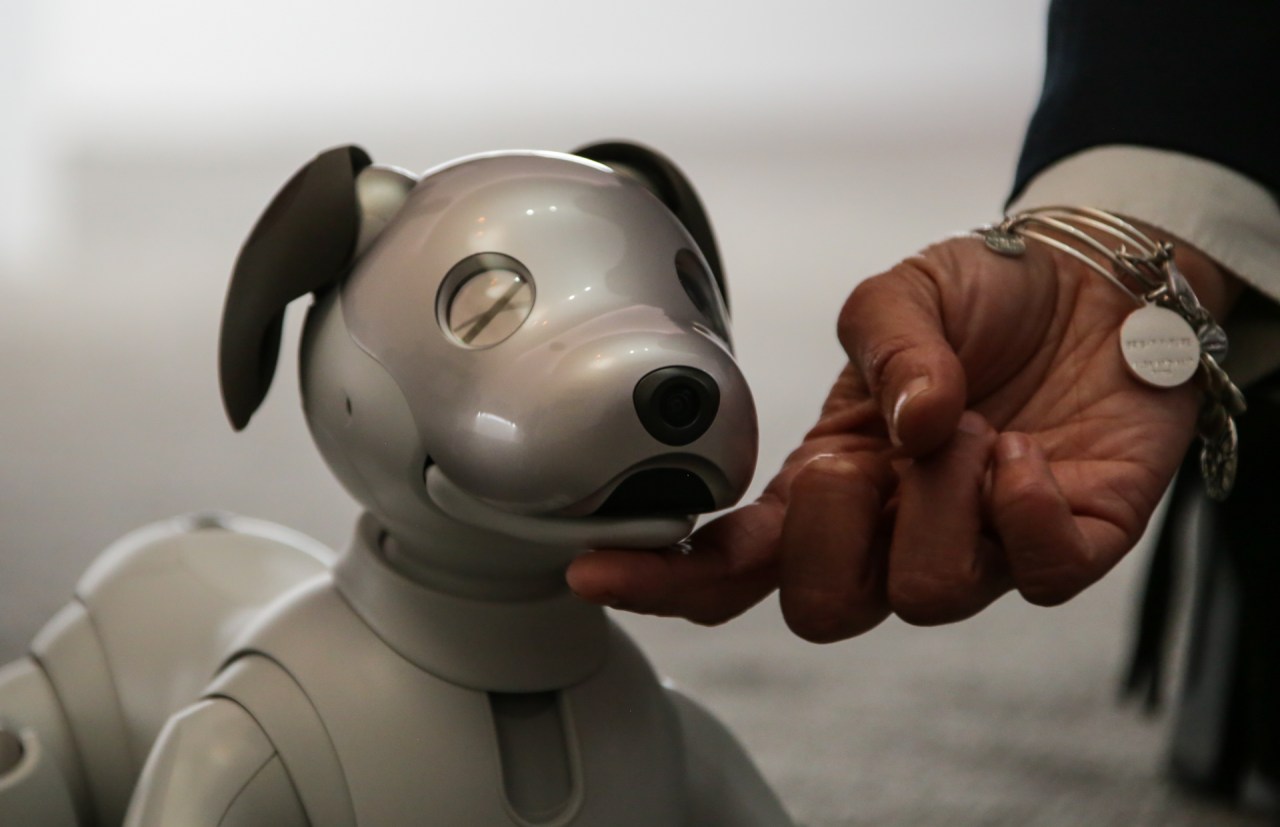
In a world where pets provide us with unconditional love and companionship, the introduction of robotic alternatives has turned heads and sparked conversations. Sony’s newly revamped Aibo is stepping off the assembly line this September, but at a price tag of $2,899, will it make waves in the consumer market, or will it remain an expensive novelty? Let’s dive into what makes this robotic pup captivating and what it signals for the future of home robotics.
Robotic Pets: A Glimpse into the Future
The rise of robotic companions like Aibo represents a fascinating intersection of technology and emotional connection. Unlike traditional furry pets, robotic dogs come equipped with advanced artificial intelligence, enabling them to learn behaviors, recall your preferences, and even express emotions—albeit in a mechanical way. This progression reflects the strides made in consumer AI and robotics over the last two decades.
In its latest iteration, Aibo embodies this pioneering technological spirit. With over 4,000 intricate parts, including image sensors and OLEd eyes that offer both cuteness and functionality, Aibo pushes the boundaries of what a robotic companion can achieve. But while it may entice tech enthusiasts, the hefty price tag may deter the average consumer.
Aibo’s Features: More Than Just a Pretty Face
- Advanced Movements: Aibo boasts 22 axes of movement, allowing for unprecedented flexibility that mimics real pet behavior, whether it’s tilting its head or wagging its tail.
- Learning Capabilities: This robotic dog isn’t just a static product; it evolves over time. Aibo can learn from daily interactions, adapting its behavior based on your routine, making it feel more personalized.
- AI Cloud Plan: The “First Litter Edition” of Aibo comes with a three-year AI Cloud Plan, ensuring that this adorable companion keeps learning and adapting to your lifestyle.
It’s these traits that sparked excitement among attendees at Aibo’s initial unveiling at CES. Even the most seasoned tech journalists found themselves enamored, witnessing firsthand how far robotics have come since its first generation—where many felt it was ahead of its time due to a lack of supporting technologies.
Market Positioning: A Niche Product, But Why?
Despite the charming characteristics of Aibo, it’s clear that this isn’t a product aimed at the mass market. Sony’s target audience appears to consist of the enthusiastic early adopters willing to pay a premium for the latest in robotics. In Japan, sales reached around 20,000 units, surpassing Sony’s expectations and proving that there is a market for such high-tech companions.
In the U.S., expectations are more tempered, with sales projected to reach “in the thousands.” This suggests a strategy that embraces exclusivity over ubiquity. Essentially, Aibo is less about replacing pets and more about showcasing what consumer robotics can truly accomplish. Sony is using Aibo as a platform to define its vision in the home robotics landscape.
Will Aibo Change Pet Ownership?
The launch of a product like Aibo inevitably stirs conversations around pet ownership and what companionship means in a digital age. For some, the appeal lies in the prospect of having a loyal companion that doesn’t require veterinary visits and can’t leave a mess. However, one might argue that true companionship can’t be replicated in wires and circuits.
Nonetheless, Aibo serves as a reminder of evolving technologies that reflect human needs and desires, bridging the gap between engineering finesse and emotional involvement. It makes us reconsider notions of companionship, adapting our expectations in a rapidly evolving technological landscape.
Conclusion: Embracing Innovation in Robotics
As we stand on the precipice of what the future holds for robotics, Aibo provides a compelling case study. While it may not be mainstream, it showcases what is possible when artificial intelligence and design meet. For those willing to embrace the novelty, Aibo offers an artistically crafted glimpse into a world where machines may one day walk alongside us, responding not just to commands but to our emotions.
At [fxis.ai](https://fxis.ai/edu), we believe that such advancements are crucial for the future of AI, as they enable more comprehensive and effective solutions. Our team is continually exploring new methodologies to push the envelope in artificial intelligence, ensuring that our clients benefit from the latest technological innovations.
For more insights, updates, or to collaborate on AI development projects, stay connected with [fxis.ai](https://fxis.ai/edu).