
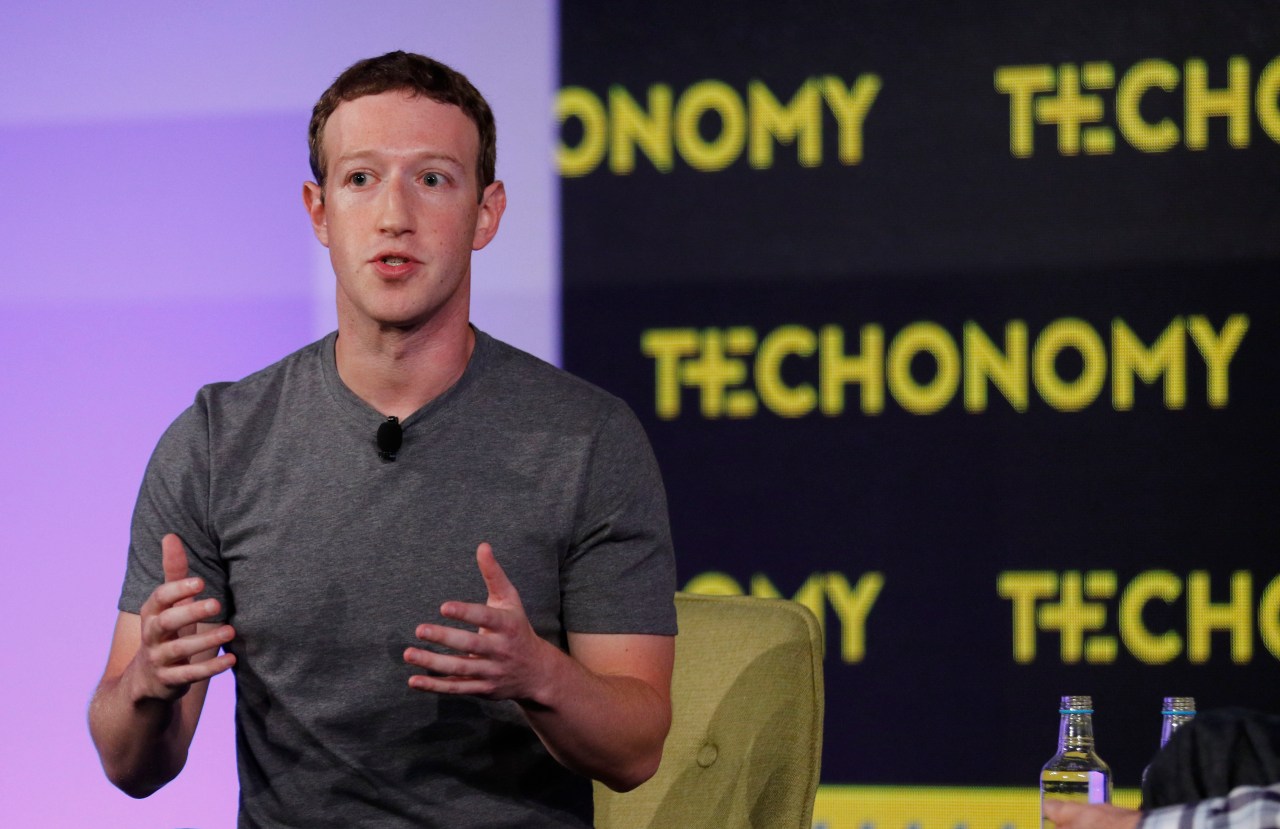
The 2016 Presidential election marked a significant moment in history, radically altering the landscape of American politics and media. In the wake of the electoral outcome, fierce debate erupted around the influence of social media platforms—especially Facebook—on the way voters consume information. Mark Zuckerberg, the founder of Facebook, addressed this dialogue during the Techonomy16 conference, sparking both interest and controversy with his remarks. This blog post explores Zuckerberg’s insights and the broader implications for social media in political discourse.
The Bubble of Misinformation
At the heart of the controversy was the suggestion that Facebook did not do enough to combat fake news within its News Feed. Zuckerberg vehemently denied the claim that misinformation had a direct impact on the election, arguing that the prevalence of fake news was a minor concern relative to users’ overall engagement with content. He illustrated this view by emphasizing that many Trump supporters were not gullible; rather, they were motivated by a belief that their candidate could affect positive change in their lives.
Understanding User Engagement
Zuckerberg pointed out an interesting paradox: Trump’s posts attracted significantly more engagement than those of Clinton. This differential engagement raises important questions about user behavior and content visibility. It suggests that the emotional resonance of a post may matter more than its veracity in capturing attention. The crux of this realization leads us to a deeper issue, one that Facebook is actively grappling with—how can users be encouraged to engage with opposing viewpoints rather than retreating into their ideological corners?
Human Involvement in Algorithm Design
In the quest to enhance its content ranking algorithms, Facebook has gradually shifted to include human oversight. This is evident in the establishment of a human quality panel responsible for evaluating the value of various news stories. By involving humans in the process, Facebook aims to strike a balance between automated content selection and a nuanced understanding of what may be fulfilling for users. This move not only promotes transparency but also fosters a diverse content ecosystem—crucial in today’s polarized environment.
Challenges of Misinformation Detection
In a follow-up statement, Adam Mosseri, VP of Product Management for News Feed, echoed Zuckerberg’s sentiments and acknowledged the platform’s shortcomings when it comes to misinformation. While Zuckerberg dismissed the notion that any one person could sway technological trends or evolve societal behaviors dramatically, Mosseri expressed a commitment to improving the detection of misleading content. This illustrates an evolving recognition of the role social media plays in shaping public opinion.
What Lies Ahead for Social Media Platforms?
The discussions sparked by the Techonomy16 conference are more relevant now than ever, especially as society navigates an increasingly turbulent political climate. Algorithms continue to govern what content we see, yet the emphasis on human oversight serves as a reminder that technology cannot function in a vacuum. Ethical considerations must underscore every facet of social media engagement, especially during pivotal moments in democratic processes.
The Way Forward
As platforms like Facebook continue to adapt, the emphasis on misinformation detection and the promotion of diverse viewpoints will be vital. Achieving this requires a robust dialogue between developers, users, and policymakers. By addressing these concerns head-on, social media platforms can foster a healthier exchange of ideas and support a more informed electorate.
Conclusion
Reflecting on Zuckerberg’s commentary at the Techonomy16 conference, it is evident that social media’s role in shaping public perception and political outcomes is multifaceted. While the complexities of user engagement and misinformation are daunting, the commitment to enhancing the News Feed experience is a step in the right direction. At fxis.ai, we believe that such advancements are crucial for the future of AI, as they enable more comprehensive and effective solutions. Our team is continually exploring new methodologies to push the envelope in artificial intelligence, ensuring that our clients benefit from the latest technological innovations. For more insights, updates, or to collaborate on AI development projects, stay connected with fxis.ai.