
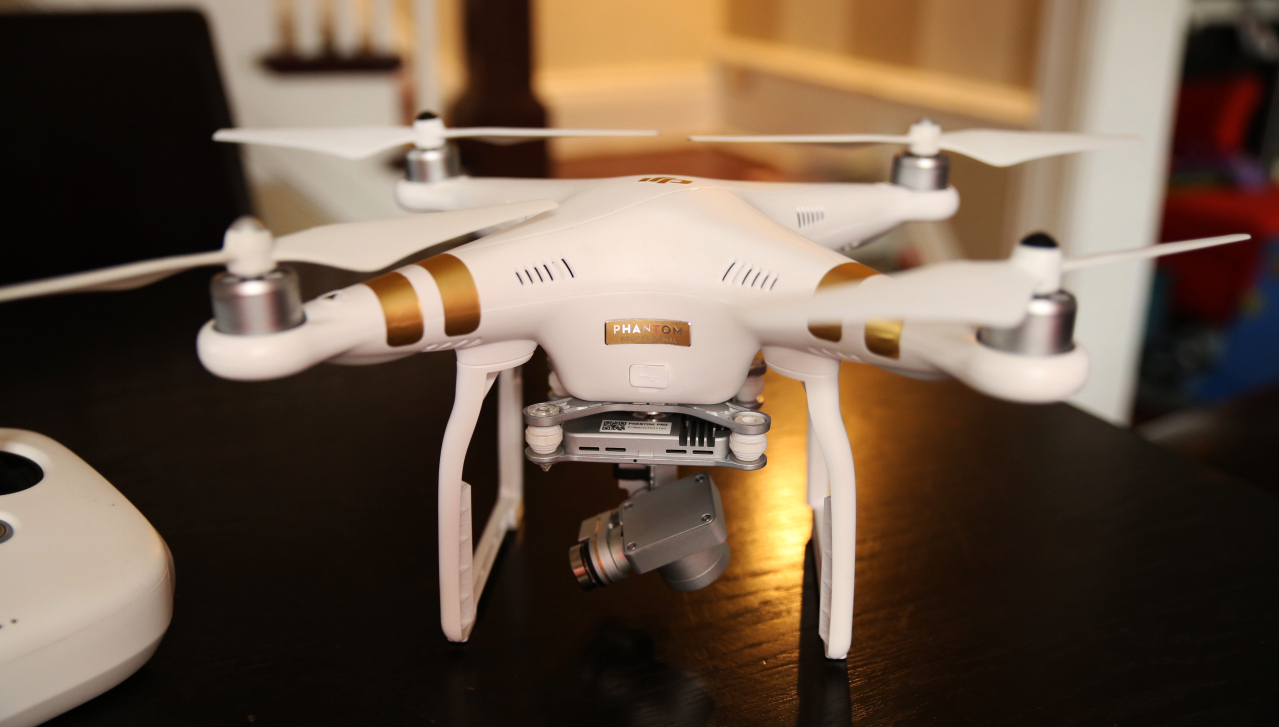
In recent years, drones have rapidly evolved from a niche tech toy into an essential tool across various industries. As the commercial and industrial drone market continues to take shape, a fascinating trend has emerged: quadcopters are firmly establishing their dominance over traditional fixed-wing drones. A recent study by DroneDeploy sheds light on this disparity, revealing key insights that help explain why quadcopters are leading the charge in the skies.
Fixed-Wing Drones: The Stumbling Giants
Fixed-wing drones, such as the SenseFly eBee Ag and 3DR Aero-M, come with impressive specifications, including extended flight time and the ability to cover vast distances on a single charge. Unfortunately, their promise is not translating into commercial success, as they accounted for only 6% of all commercial drone flights according to the DroneDeploy study.
One of the main challenges for fixed-wing drones is their complexity. As DroneDeploy CEO Mike Winn puts it, “People would rather fly a quadcopter multiple times over a large area, or stop to change batteries, than go through the process of assembling a fixed-wing drone before a flight.” This preference for user-friendly technology has made it difficult for fixed-wing options to gain a foothold in the bustling drone landscape.
Quadcopters: The Popular Choice
In contrast, quadcopters have become the go-to choice for many drone operators. Their versatility and ease of use have spurred adoption across diverse sectors, from agriculture to construction, and beyond. The DroneDeploy study highlights the explosive growth in drone usage for mapping, with users recently covering 3 million acres in just four months—significantly more than the previous year’s total.
Emerging Applications
- Agriculture: Utilizing drones for crop monitoring and land assessments is shaking up traditional farming techniques.
- Construction: Aerial surveys and site monitoring have become more efficient and insightful with drone technology.
- Mining, Inspection, and Oil & Gas: These industries are witnessing rapid growth in drone deployment, streamlining inspections and resource management.
Interestingly, new sectors like education, emergency services, and real estate are starting to explore the potential of drones. These fields barely experimented with aerial technology just a year ago, emphasizing the remarkable speed at which the landscape is evolving.
Who’s Leading the Pack?
In terms of hardware, industry giants such as DJI, SenseFly, 3DR, AgEagle, and Parrot are frequently favored among commercial users. Additionally, the most popular drone-camera technology is from brands like DJI, Canon, Sony, GoPro, and Mapir. It’s clear that these manufacturers are successfully catering to the market’s demands for efficient and accessible solutions.
Conclusion: The Road Ahead
As the landscape of drone technology continues to shift, stakeholders must remain aware of the trends and demands shaping the industry. The preference for quadcopters over fixed-wing drones suggests a clear path forward for innovation—one that prioritizes usability and adaptability. For companies and individuals looking to utilize drone technology efficiently, understanding these dynamics becomes imperative.
At fxis.ai, we believe that such advancements are crucial for the future of AI, as they enable more comprehensive and effective solutions. Our team is continually exploring new methodologies to push the envelope in artificial intelligence, ensuring that our clients benefit from the latest technological innovations.
As we continue to watch this fascinating market evolve, one thing is clear: the future of drones looks promising, fueling new possibilities across industries. For more insights, updates, or to collaborate on AI development projects, stay connected with fxis.ai.