
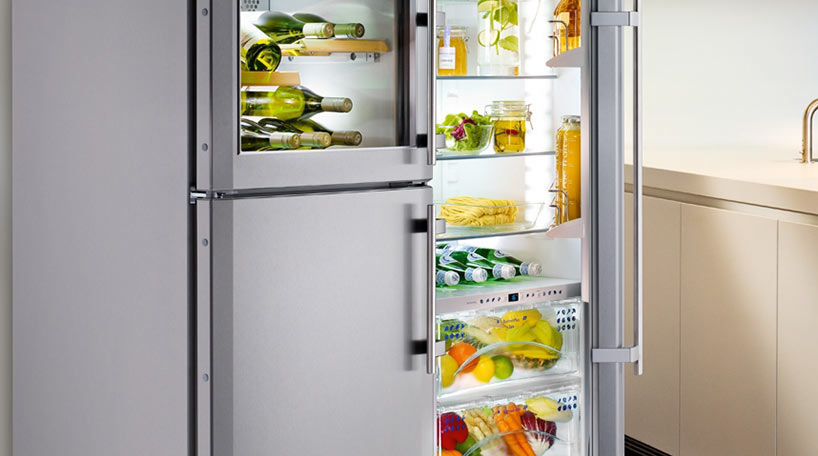
Imagine a world where your refrigerator isn’t just a cold box for your groceries but an intelligent assistant that can help you identify, manage, and even restock your food items. Microsoft’s recent collaboration with Liebherr aims to revolutionize this mundane appliance by integrating advanced machine learning capabilities into it, thus paving the way for a smarter kitchen. Let’s explore this fascinating venture and uncover the implications of smart fridges equipped with artificial intelligence.
A Peek Into the Future: What Makes This Fridge Smart?
The groundwork of this technological marvel lies in Microsoft Cognitive Services Computer Vision API, which empowers the fridge to visually identify the various food items within its confines. Here’s how it works:
- Object Recognition: Through sophisticated image processing, the fridge can recognize food items and their quantities, saving you from the hassle of forgetting grocery essentials.
- Deep Learning: By utilizing deep learning algorithms, the fridge will continue to evolve, becoming more adept at identifying new food items based on exposure to countless images. As it learns, the appliance tailors its understanding to match the preferences and consumption patterns of its users.
- Remote Access: Unlike existing models that provide live video feeds, this intelligent appliance eliminates the quality issues associated with grainy images. Users can expect clearer representations and accurate data at their fingertips.
Why Does This Matter? The Convenience Factor
So, why invest in a smart fridge? The benefits can be substantial:
- Reduced Grocery Runs: No more last-minute trips to the store for that missing ingredient. Your fridge will notify you about items running low, eliminating wasted time and effort.
- Food Waste Management: By keeping track of expiration dates and suggesting recipes based on current inventory, such fridges can significantly reduce food waste—an essential goal as sustainability becomes increasingly vital.
- Healthier Choices: The fridge can even provide dietary suggestions or reminders to help users maintain optimal nutrition, based on what they have available.
Challenges and the Path Ahead
While the prospects are exciting, the path to perfecting the intelligent refrigerator is not without challenges. Integrating machine learning into appliances requires rigorous testing to ensure user satisfaction and safety. Additionally, privacy concerns around data collection and security will need to be addressed, as this fridge collects valuable information about consumer habits.
Despite these challenges, the potential exists for further integration of AI across kitchen appliances, enabling a more seamless and connected cooking experience. AI can also play a role in optimizing energy usage, enhancing home efficiency while reducing costs.
Conclusion: Embracing the Smart Home Revolution
Microsoft and Liebherr’s collaboration marks an exciting chapter in the integration of technology into everyday objects. As this prototype evolves, it demonstrates how AI can inform our daily routines while enhancing our lifestyle. Though we may be waiting a while for the final version to hit the market, the developments signal that a smarter, more efficient kitchen is on the horizon.
At fxis.ai, we believe that such advancements are crucial for the future of AI, as they enable more comprehensive and effective solutions. Our team is continually exploring new methodologies to push the envelope in artificial intelligence, ensuring that our clients benefit from the latest technological innovations.
For more insights, updates, or to collaborate on AI development projects, stay connected with fxis.ai.