
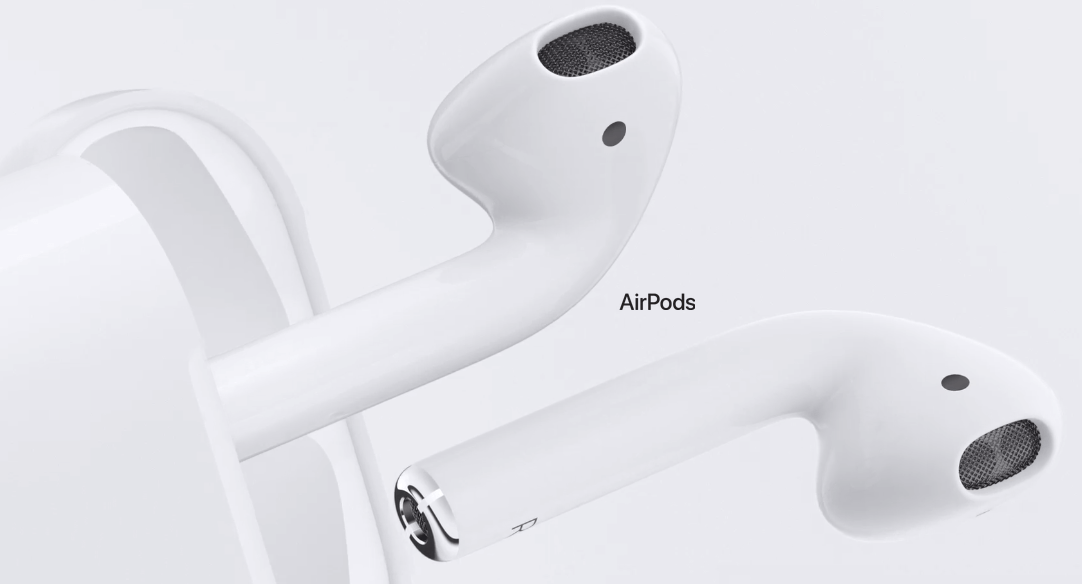
With the launch of Apple’s AirPods, a revolution in wireless audio technology began, marked by convenience and portability. But with such a sleek design, the concern of losing one of these little gems loomed large. Fast forward to 2016, and Apple made headlines by announcing its policy for replacing lost or damaged AirPods, setting a critical precedent in the burgeoning hearables market. This blog delves into the implications of Apple’s replacement strategy and what it means for consumers and the industry.
Breaking Down the Replacement Fees
When Apple revealed it would charge $69 for a single lost or broken AirPod, it initially raised eyebrows. Many questioned the steep price tag for such a compact device retailing at $159 for a pair. Yet, from a broader perspective, this move illuminated a trend that was sorely needed in the wireless earbud landscape:
- Replacement Availability: Unlike competitors, Apple’s policy allows users to replace just one earbud, which is a significant feature. For many other brands, losing one earbud means forcing consumers to repurchase an entire set.
- Individual Functionality: Apple’s AirPods are designed to connect independently to devices. Hence, if one is lost, users can still enjoy music or take calls with the remaining earbud.
- Standardizing Hearables Support: By making replacement accessible, Apple sets a comforting industry standard and encourages other brands to embrace similar policies.
Understanding Battery Support and Service Costs
In addition to the replacement fees, Apple’s service policy includes provisions for battery issues not covered under the one-year warranty. At a cost of $49, the company ensures that users won’t be left in the lurch should they face challenges with worn-out batteries—highlighting Apple’s commitment to customer care and product longevity.
Setting New Standards in the Industry
At a time when the true value of wireless earbuds was still being determined, Apple’s decision was pivotal. The concept of individual earbud replacement, while seemingly trivial, holds a heavy weight. As more brands leaped into the market, Apple’s example encouraged companies to rethink their customer support policies:
- Enhancing User Experience: Competitors are likely following suit, understanding that ease of replacement can positively influence customer satisfaction.
- Fostering Innovation: The demand for user-friendly support can lead to more durable designs and advancements in technology, ultimately benefitting the consumer.
A Little Extra Cost for Big Benefits
While the $69 replacement fee might sting at first glance, the long-term benefits bring noticeable value. The lifeline that comes with the ability to replace a lost earbud ensures consumers can remain connected and enjoy their audio experiences without significant interruptions. Moreover, this business model sets a higher standard in an evolving market, prompting other brands to consider similar frameworks.
Conclusion: A Positive Step for Consumers and Brands
Apple’s decision regarding AirPod replacements transcends the immediate financial implications; it sets a significant industry benchmark. As consumers seek both innovation and reliability, the perks of having flexibility revolve around user-centric design. At fxis.ai, we believe that such advancements are crucial for the future of AI, as they enable more comprehensive and effective solutions. Our team is continually exploring new methodologies to push the envelope in artificial intelligence, ensuring that our clients benefit from the latest technological innovations.
For more insights, updates, or to collaborate on AI development projects, stay connected with fxis.ai.