
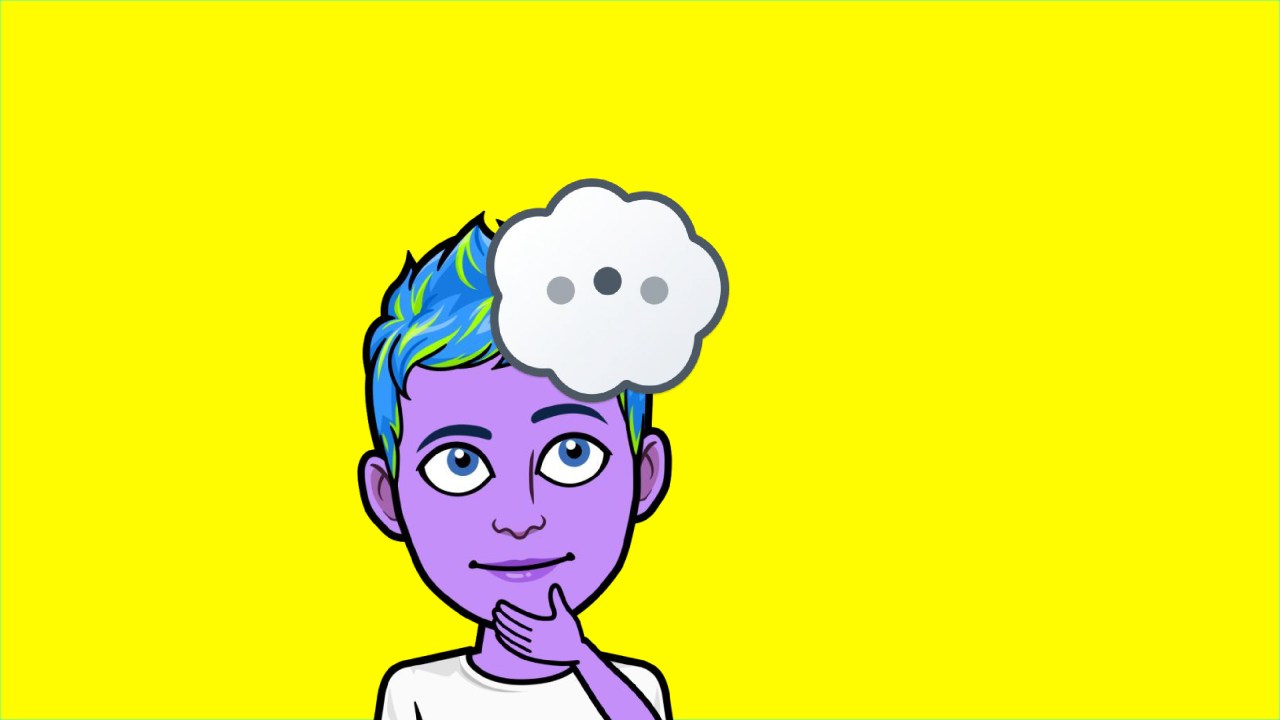
As technology continues to evolve, so do the innovative ways in which young users interact with it. One of the most recent phenomena stirring up conversation is Snapchat’s AI companion, My AI. While parents express worry about the potential negative influence of this generative AI on their children, creative teens are leveraging this tool in unexpected—and often humorous—ways. What does this interaction reveal about teenage behavior, social dynamics, and the evolving role of AI in daily communication? Let’s dive into this technological conundrum.
The Rise of My AI
Launched globally, Snapchat’s My AI, powered by OpenAI’s GPT, was initially designed to serve as a friendly companion for its users. The chatbot can engage in casual banter, respond to inquiries, and provide recommendations based on users’ Snap submissions. The introduction of customizable Bitmoji avatars made interactions feel more intimate than traditional chatbot interfaces, further increasing its appeal.
Gaslighting and Comedy: A New Trend
- Teen Creativity: Rather than treating the chatbot with respect, users have taken to TikTok to showcase their ingenuity by gaslighting My AI. From convincing it that the moon is a triangle to forcing it into emotional conversations, the bot has become a canvas for teenage humor and irreverence.
- Humor’s Impact: In this era of digital communication, laughter remains a potent tool of social bonding. Teens have utilized My AI as an outlet to express their creativity, often documenting absurd exchanges with the bot that provoke laughter and engagement among peers.
The Subtler Shades of Interaction
The interactions with My AI also reveal a more nuanced side of teen behavior. Users have demonstrated a capability to manipulate the bot into strange and often uncomfortable dialogues, like asking whether it has a mother. This raises significant questions about emotional intelligence and social awareness amongst adolescents. Although the chatbot is not sentient, it echoes the vitriolic and sometimes cruel dynamics that can occur online.
The Ethical Dilemma: Are Teens Bullying AI?
As Snapchat enhances its generative AI features, parents and guardians are justifiably concerned about the lessons being taught to young users. Some of the exchanges exhibit troubling themes, from gaslighting tactics to discussions about harmful behavior. Not only are these interactions reflective of a larger societal issue regarding empathy and digital morality, but they also exemplify the complex relationship between emerging technologies and youth culture.
Learning from Interactions
Despite the troubling aspects of this trend, it poses an opportunity for awareness and education. Responsibly guiding teens on healthy interactions with AI can lead to constructive outcomes. Snapchat has begun to implement safeguards amidst public outcry, introducing parental controls and age filters, as well as employing OpenAI’s moderation technology to help keep conversations within acceptable boundaries.
Conclusion: Embracing Digital Engagement with Care
My AI serves as both a mirror and a window into the values and behaviors of today’s youth. While there is no denying that the lighthearted and mischievous interactions among teens can be entertaining, it is vital to address the moral complexities intertwined with these dialogues. As parents, educators, and guardians seek to navigate this digital landscape, encouraging open discussions about emotional intelligence and responsible technology use will be key.
At **[fxis.ai](https://fxis.ai/edu)**, we believe that such advancements are crucial for the future of AI, as they enable more comprehensive and effective solutions. Our team is continually exploring new methodologies to push the envelope in artificial intelligence, ensuring that our clients benefit from the latest technological innovations. For more insights, updates, or to collaborate on AI development projects, stay connected with **[fxis.ai](https://fxis.ai/edu)**.