
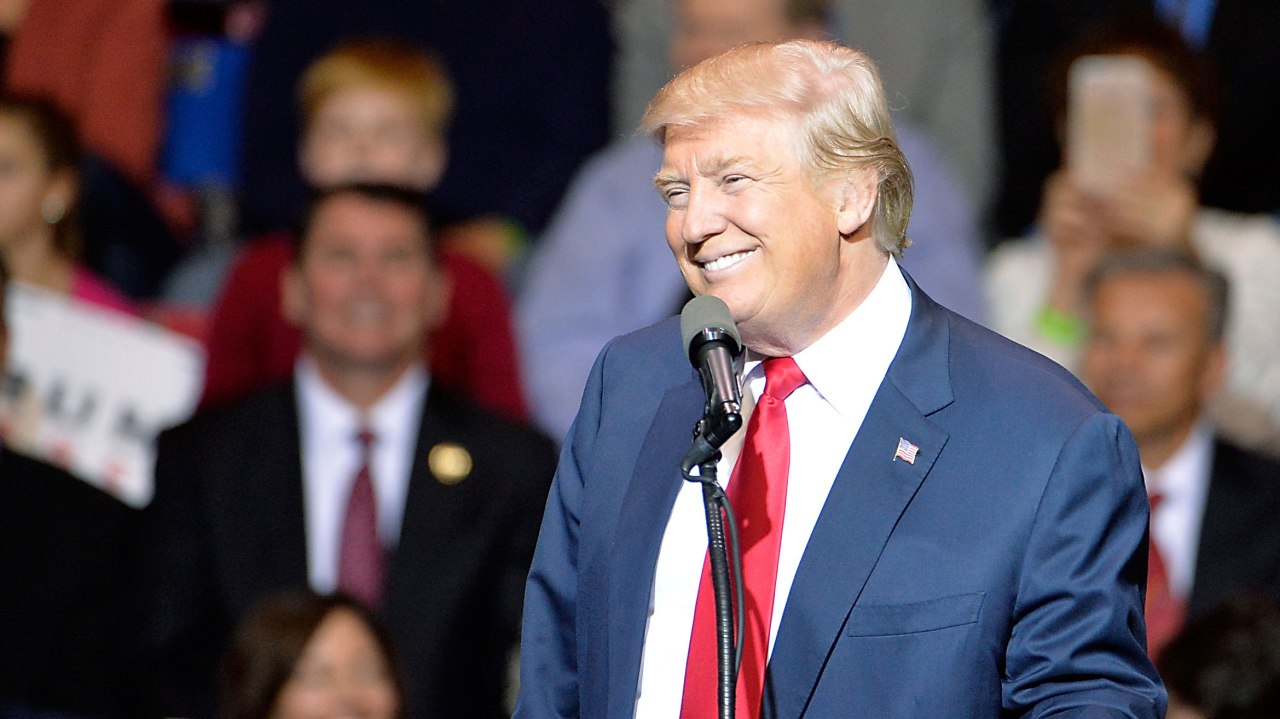
The world witnessed a political upheaval in 2016 when Donald Trump unexpectedly clinched the presidency, a turn of events that left many experts scratching their heads. Amidst the chaos, an AI system embarked on a fascinating journey to model and predict scenarios that could lead to a Trump victory. While the drama of the election unfolded, the insights drawn from this experiment unveil not just an analytical tool, but a lens into the complex interplay of social dynamics, human behavior, and decision-making methodologies under uncertainty.
Understanding the Predictive Model
At the heart of the AI’s predictions lay a sophisticated mix of algorithms, including Convolutional Neural Networks (CNNs), Bayesian methods, and word-embedding algorithms like word2vec. The strength of these methodologies is not merely in the predictions themselves but in their ability to gauge the underlying conditions leading to electoral possibilities.
The Breakdown of Predictions
- Hillary’s Lead: After the initial debate, analysis suggested that Hillary would lead with 54% of favorable votes given stable macro conditions.
- The Terror Factor: In stark contrast, a potential terror attack could propel Trump into a lead with 52% support.
- Engagement Dynamics: The model also revealed the nature of Trump’s support base, indicating a rapid decay of engagement that affected his chances based on external events.
However, what these figures represent goes beyond simple predictions; they encapsulate the volatile nature of public opinion susceptible to real-world events.
The “Why” Behind the Model
Understanding the reasoning that governs such a predictive model is what render it truly insightful. This highlights the critical importance of rationale in data interpretation and outcomes. Built on epistemological foundations, the AI did not just regurgitate outcomes but explored the very nature of knowledge derived from experience and reasoning.
Empirical vs. Rational Viewpoints
The epistemological debate is foundational: is knowledge derived from experience (empirical) or from reasoning (rationalist)? Both avenues offer roads to understanding, yet in the context of politics, experiences shape perceptions and decisions. The AI’s methodology acts like a map merging these philosophical terrains into quantifiable analysis.
Real-World Analogies
Consider a person witnessing consecutive sunrises. Each experience nudges their belief that the sun will rise again. Yet, real-world variables—cloud cover, seasonal changes—define the outcome’s certainty. Similarly, the AI analyzes public sentiment with a keen eye on these surrounding variables to construct its political forecasts.
Biases: The Human Touch in AI
Moreover, inherent biases that plague decision-making processes reflect the human condition. The biases festering within Silicon Valley, for example, reveal a blend of successes and failures, each influenced by social cliques and the prevailing narratives. One cannot point fingers solely at algorithms without acknowledging the human fingerprints all over the data they process.
Grit and Human Behavior
Take the concept of “grit.” While celebrated as a necessary trait for success, it can also represent a long stretch of stagnation if viewed through a biased lens. This nuanced view illustrates how both algorithms and humans must navigate pre-existing biases to address reality adequately. Breaking these biases implies a need for certain flexibility in weighing data while pursuing more objective conclusions.
Conclusion: The Path Forward for AI in Predictive Modeling
Ultimately, the AI’s predictions do not promise certainty but rather reveal the intertwining threads of human behavior and real-world circumstances—a dynamic vortex affecting political landscapes. Enhanced understanding of these underlying processes is paramount for leveraging AI to craft solutions that resonate with real-world complexities.
At fxis.ai, we believe that such advancements are crucial for the future of AI, as they enable more comprehensive and effective solutions. Our team is continually exploring new methodologies to push the envelope in artificial intelligence, ensuring that our clients benefit from the latest technological innovations. For more insights, updates, or to collaborate on AI development projects, stay connected with fxis.ai.