
The rapid evolution of artificial intelligence is nothing short of exhilarating. Each week rolls out new breakthroughs, experiments, and sometimes, controversies that shake up the industry. This week, the spotlight has illuminated the entwined fates of innovation and commercial interests, centering on the tumultuous events at OpenAI. The recent upheaval surrounding its CEO Sam Altman reminds us of the precarious balance that AI companies must maintain as they navigate the dual pressures of innovation and profitability.
The OpenAI Saga: A Case Study in Commercialization
The dismissal and subsequent reinstatement of Sam Altman has sparked widespread debate about the direction and priorities of AI companies. On the surface, the board’s decision to oust Altman was based on concerns that the push for commercialization was overshadowing critical safety measures. But the real story reveals deeper truths about the immense costs and pressures faced by AI startups.
- Financial Demands: Training AI models is an expensive business. For instance, training a sophisticated model like GPT-3 reportedly costs over $4 million, not including the substantial salaries of the talent required to steer these projects. As budgets swell, the lure of venture capital becomes increasingly irresistible.
- Power Dynamics: OpenAI’s unique “capped-profit” structure was an attempt to maintain some independence from the profit-driven urgencies of its backers, chiefly Microsoft. However, the influence of substantial cloud credits highlights how critical infrastructure can dictate terms more forcefully than monetary investments alone.
- Industry Precedents: Other companies, such as Anthropic and Character.ai, echo this trend, relying heavily on partnerships with tech giants for resources. These relationships can bring both support and substantial risk, as each partner’s agenda may not align perfectly with that of the fledgling AI company.
Insights from Recent Research and Innovations
While the drama at OpenAI captivates attention, significant developments continue to emerge across the AI landscape, offering innovative solutions to both challenges and opportunities:
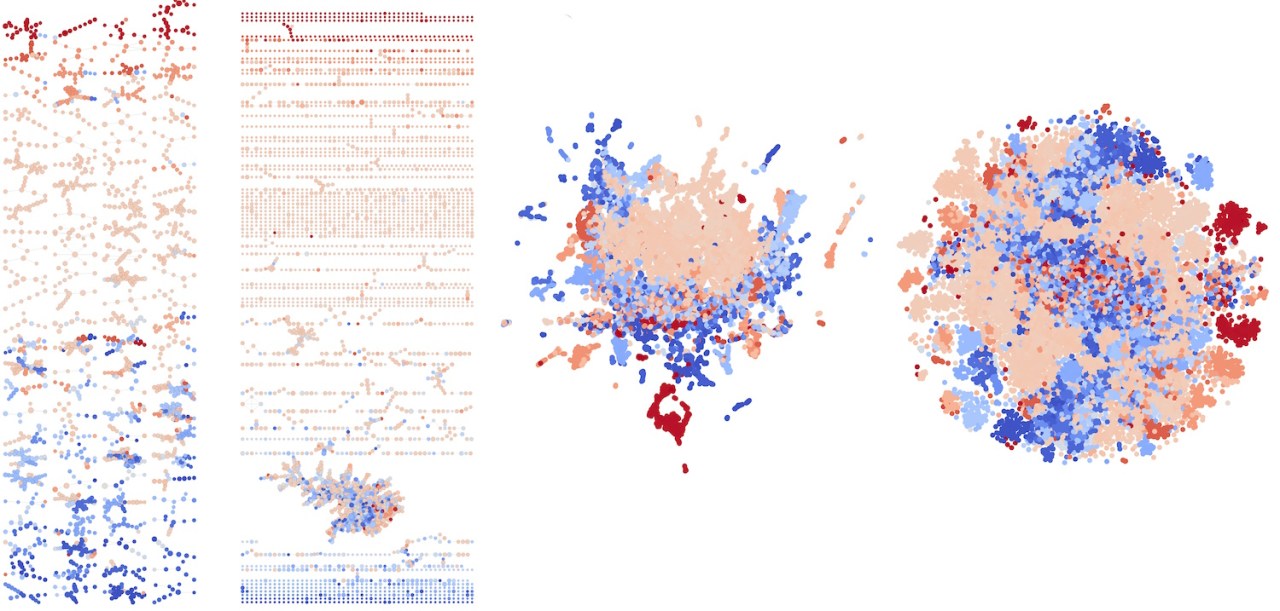
- Improved Model Transparency: Researchers at Purdue University are working on a tool that visualizes how neural networks process data, creating a “Reeb map” which can help identify when models are likely to misinterpret information. This could represent a monumental shift in how we assess model reliability.
- Advanced Predictions with Limited Data: Los Alamos National Lab has introduced “Senseiver,” a model that can derive accurate predictions from sparse datasets. Such tools could transform research in fields like climatology by making reliable predictions even when data is thin.
- Innovative Hardware Development: A new approach to AI hardware seeks to mimic the formation of neural networks in the human brain. By creating arrays that can dynamically form connections, researchers are blurring the lines between hardware and cognitive processes, potentially leading to more adaptable AI systems.
AI for Social Good: Making a Difference
Beyond the realm of corporate interests, AI technology continues to play a significant role in addressing real-world challenges:
- Supporting Refugees: Stanford’s GeoMatch project uses AI to help displaced individuals find optimal locations for employment based on their unique skills and circumstances, expediting a process typically fraught with logistical hurdles.
- Enhancing Quality of Life: University of Washington researchers are refining systems that assist individuals who cannot feed themselves. This innovation demonstrates the potential of robotics and AI to adapt based on community feedback, evolving to meet real needs.
- Empowering the Visually Impaired: Google’s open-sourced pathfinding app, Project Guideline, empowers researchers to enhance navigation tools for visually impaired individuals, showcasing the social responsibility element of AI development.
Conclusion: Balancing Innovation and Responsibility
The evolving narrative of AI encapsulates a broader theme of technology’s role in society. The OpenAI situation serves as a cautionary tale, emphasizing that the drive for commercialization must not overshadow ethical considerations for safety. As AI labs continue to innovate, the collaboration between profit and purpose will define the industry’s future. It is crucial that these organizations maintain transparency, engage in responsible practices, and strive for breakthroughs that benefit society as a whole.
At fxis.ai, we believe that such advancements are crucial for the future of AI, as they enable more comprehensive and effective solutions. Our team is continually exploring new methodologies to push the envelope in artificial intelligence, ensuring that our clients benefit from the latest technological innovations. For more insights, updates, or to collaborate on AI development projects, stay connected with fxis.ai.