
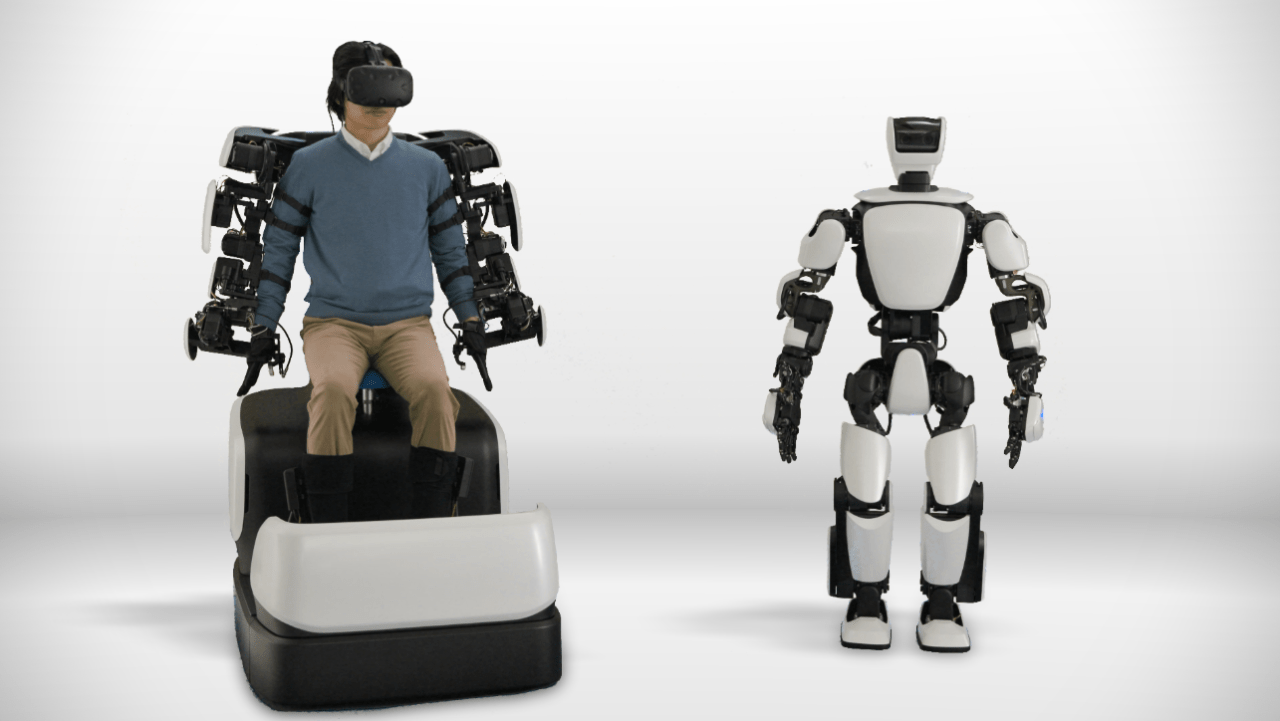
In 2017, Toyota took a bold step into the future with the introduction of the T-HR3 humanoid robot. This year, the company has revealed an exciting development, allowing this intricate machinery to break free from its chains—literally. With the integration of 5G technology from Japanese telecom giant Docomo, T-HR3 can now be remotely controlled from distances up to 10 kilometers, bringing a whole new realm of possibilities to the world of robotics and beyond.
The Evolution of Humanoid Robots
T-HR3 is not just any robot; it exemplifies the intersection of technology and human-like capabilities. Inspired by the vision seen in sci-fi classics like “Pacific Rim,” it can mimic human movements with astounding accuracy. This ability makes the robot a mirror that reflects our gestures and movements, creating a seamless interaction between humans and machines.
But what does it mean for robots to be untethered? No longer confined to a physical connection, T-HR3’s 5G capabilities enable commands to be sent at lightning speed, reducing latency to a degree that was previously considered unachievable. Imagine a surgeon operating on a patient remotely or a caretaker assisting elderly individuals in their homes—all made possible through this revolutionary technology.
5G: The Game Changer
The advent of 5G technology signifies a monumental shift in connectivity. Not only does it enhance the speed and responsiveness crucial for controlling a humanoid robot, but it also opens the door to various innovative applications in numerous industries. Some potential use cases of T-HR3 include:
- Healthcare: Robots could assist in surgeries, rehabilitation, and elderly care, offering an extra set of hands when needed.
- Manufacturing: Humanoid robots could enhance the efficiency of production lines by collaborating with human workers.
- Disaster Response: In challenging environments where it may be unsafe for humans, T-HR3 could be invaluable for search and rescue operations.
Through the thoughtful application of 5G, infrastructure and robotics are set to evolve rapidly, fostering what Toyota describes as “a prosperous society of mobility.” The potential is limitless, but how we choose to harness it will determine its overall impact on daily life.
Future Demonstrations and Societal Impact
Next year, Toyota plans to showcase this technology at a Docomo event in Tokyo, poised to captivate audiences and industry experts alike. Beyond providing just a glimpse of what future societies could look like, these demonstrations are critical in educating the public on the social implications of robotic advancement.
While the flashy aesthetics and features of T-HR3 could easily capture headlines, it is crucial to remember that the integration of robotics into our lives carries with it ethical considerations and responsibilities. As we welcome these advancements, the conversation around their use in various fields must evolve concurrently.
Conclusion
The evolution of Toyota’s T-HR3 humanoid robot, powered by cutting-edge 5G technology, represents a significant milestone in the collaboration between humans and machines. With the potential to transform healthcare, manufacturing, and multiple other sectors, we are on the brink of a new era of connectivity and automation.
At fxis.ai, we believe that such advancements are crucial for the future of AI, as they enable more comprehensive and effective solutions. Our team is continually exploring new methodologies to push the envelope in artificial intelligence, ensuring that our clients benefit from the latest technological innovations.
For more insights, updates, or to collaborate on AI development projects, stay connected with fxis.ai.