
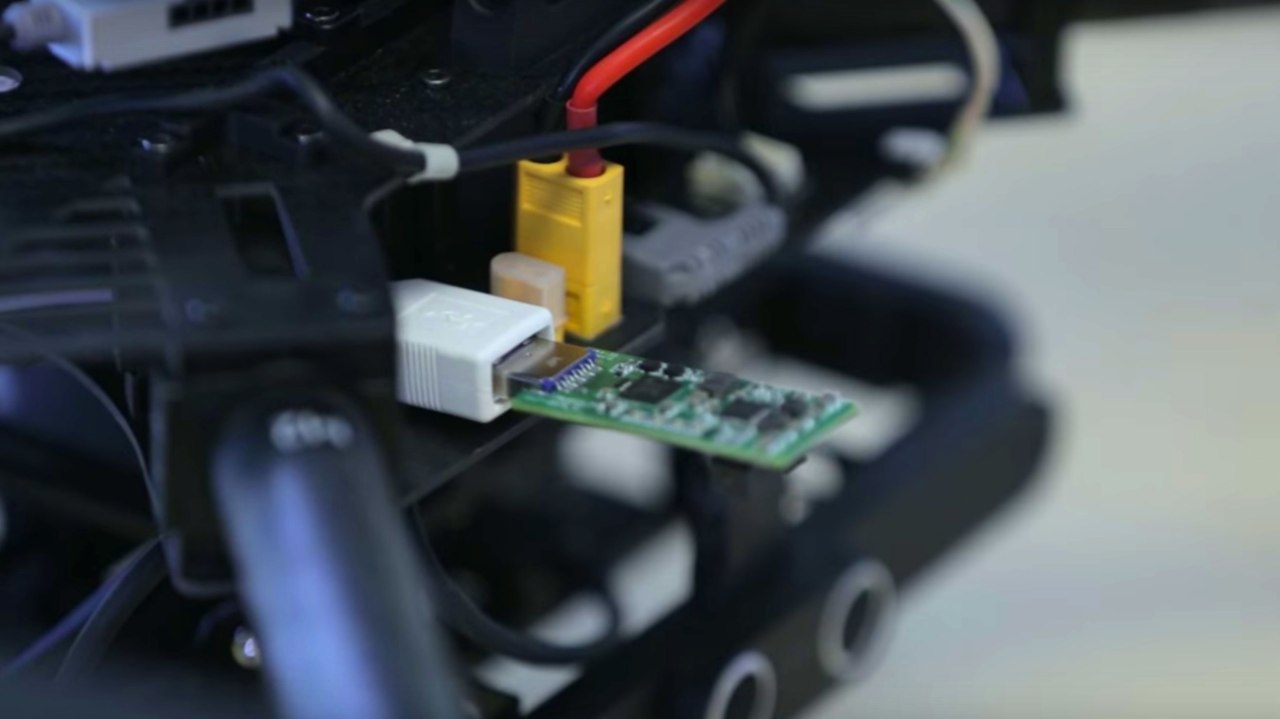
In today’s fast-paced technological landscape, the desire for smarter devices is more prominent than ever. Movidius has boldly stepped into this arena with its innovative Fathom Neural Compute Stick. This remarkably compact device, which harnesses the power of the Myriad 2 processor, promises to empower any USB-capable device, turning it into an intelligent machine capable of real-time, cognitive responses without relying on cloud connectivity. Let’s explore how this technology can revolutionize various applications from drones to wearable devices.
Embracing Local Intelligence
The beauty of the Fathom Neural Compute Stick lies in its ability to bring neural network capabilities directly to your device. By simply plugging the Fathom into devices such as cameras, Raspberry Pis, or even drones, you essentially grant them cognitive abilities. Imagine a drone equipped with this technology—rather than sending data to the cloud for processing delays, it can immediately analyze its surroundings, making landing decisions on the fly based on the visuals it receives from its camera. This enhanced decision-making process could be critically transformative in urgent situations, enhancing both safety and efficiency.
The Role of Deep Learning
The Fathom does not come alone. Accompanying it is the Fathom Deep Learning Software Framework, which optimizes and compiles deep learning algorithms into a lightweight binary that runs on the Myriad 2 processor. What does this mean for developers? With this framework, you can easily design and implement machine learning models tailored to your specific needs. For instance, suppose you want your device to recognize specific objects quickly—by using the Fathom’s capabilities, you can deploy pre-trained models that execute with minimal power consumption and maximize operational efficiency.
Practical Applications Beyond Drones
While we’ve focused on drones, the applications of the Fathom Neural Compute Stick extend greatly across various domains:
- Security Systems: Install the Fathom in CCTV cameras to enable real-time object recognition, boosting situational awareness.
- Wearable Technology: Consider potential enhancements in smart glasses or fitness trackers that could analyze health metrics instantly.
- Autonomous Vehicles: Small autonomous robots could make immediate decisions based on their environment, creating safer operational capabilities.
- Augmented Reality (AR): With the growth of AR applications, having on-device intelligence allows for more responsive interactions and enhances user experiences.
The Market Impact
By creating a modular device like the Fathom, Movidius opens the doors to small and medium enterprises that may wish to integrate intelligent technology into their projects. Unlike traditional setup processes that involve hefty investments in complete systems, the Fathom offers an economical entry point. As the market for on-device AI continues to grow, this strategic approach ensures that even the smaller players can harness the power of artificial intelligence without prohibitive costs.
Conclusion
The Fathom Neural Compute Stick is a game-changer in the field of artificial intelligence implementation. By providing low-power, intelligent processing capabilities locally, it allows devices to operate autonomously, reducing dependence on the cloud and enhancing operational efficiency. As we embark on an era where AI becomes an essential component of everyday devices, innovations like the Fathom pave the way for smarter interactions across various sectors.
At fxis.ai, we believe that such advancements are crucial for the future of AI, as they enable more comprehensive and effective solutions. Our team is continually exploring new methodologies to push the envelope in artificial intelligence, ensuring that our clients benefit from the latest technological innovations. For more insights, updates, or to collaborate on AI development projects, stay connected with fxis.ai.