
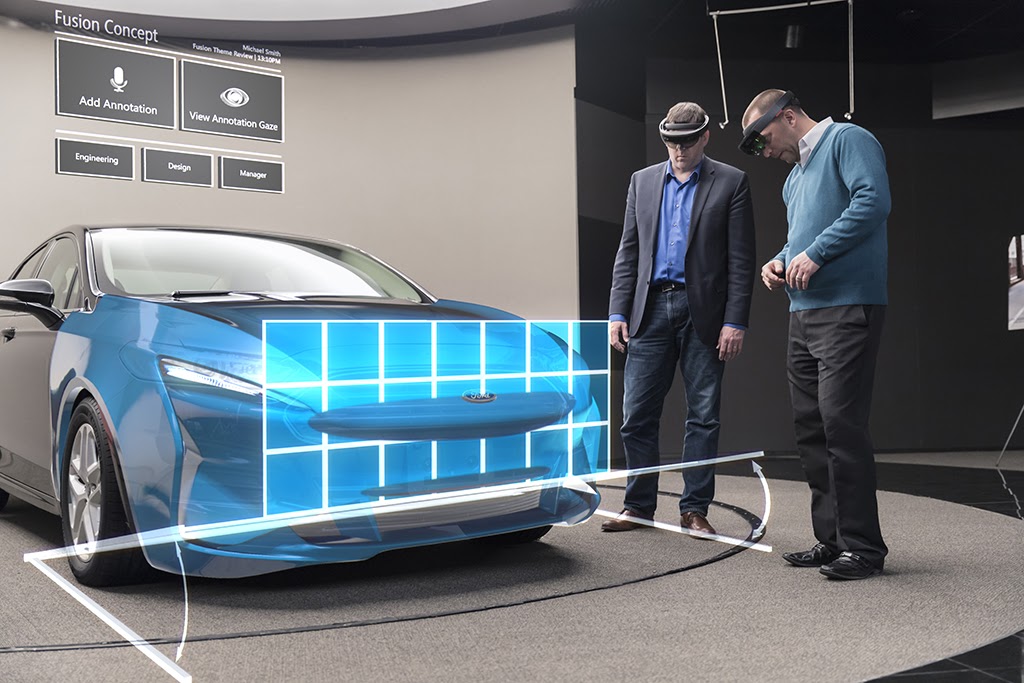
As technology evolves, so does the way industries approach design and innovation. Ford, a stalwart in the automotive world, has embarked on an exciting journey, leveraging Microsoft’s HoloLens mixed reality capabilities to redefine car design. This innovative project promises to streamline the design process, merging the physical and virtual realms to create vehicle prototypes more efficiently and effectively than ever before.
The Power of Mixed Reality in Designing Cars
Imagine being able to visualize every curve, material, and angle of a new vehicle design without having to carve them out of clay or build full-scale models. Ford’s pioneering use of the Microsoft HoloLens allows its designers to rapidly prototype in a virtual environment. This method not only accelerates the design process but also enriches it by providing a more comprehensive understanding of how materials will interact with the final product. Here are some key advantages:
- Speed: Design iterations that once took weeks are now condensed to mere days, enabling quicker adjustments and generating prototypes with unprecedented efficiency.
- Collaboration: The HoloLens allows for dynamic collaboration, where designers can use virtual sticky notes and other mixed media to share ideas directly on the vehicle model.
- Realism: Designers can visualize how new materials will appear on a realistic scale model, which is pivotal in understanding aesthetics and functionality.
Lessons from Other Innovators
Ford isn’t the only automaker eyeing mixed reality for design enhancement. Rivals, including electric vehicle manufacturer Lucid, have also explored similar technologies like the HTC Vive to improve their design processes. This reflects a broader trend in the industry, where immersive technologies are reshaping not just car design, but the entire manufacturing process. The shift from traditional modeling techniques to virtual solutions marks a significant turning point in automotive engineering.
The Future of Mixed Reality in Automotive Engineering
Although Ford’s mixed reality project is still in its testing phases, there are exciting prospects on the horizon. The integration of HoloLens into Ford’s engineering landscape could fundamentally alter how teams develop and refine vehicle designs. Factors such as system-level support from Windows 10 could play a crucial role in widespread adoption of this technology across the industry.
As the automotive sector continues to embrace digital transformation, the combination of artificial intelligence, augmented, and mixed reality technologies can unlock new levels of creativity and efficiency. Innovations like those seen with the HoloLens suggest that the future of car design may be a blend of digital and physical expertise, fostering a new age of automotive excellence.
Conclusion
Ford’s venture into mixed reality with Microsoft HoloLens illustrates the transformative power of technology in automotive design. By leveraging advanced tools, Ford is not just keeping pace with industry changes but positioning itself as a leader in innovation. As mixed reality continues to evolve and establish a foothold in automotive design, it will undoubtedly pave the way for creative breakthroughs that redefine our driving experiences.
At fxis.ai, we believe that such advancements are crucial for the future of AI, as they enable more comprehensive and effective solutions. Our team is continually exploring new methodologies to push the envelope in artificial intelligence, ensuring that our clients benefit from the latest technological innovations.
For more insights, updates, or to collaborate on AI development projects, stay connected with fxis.ai.