
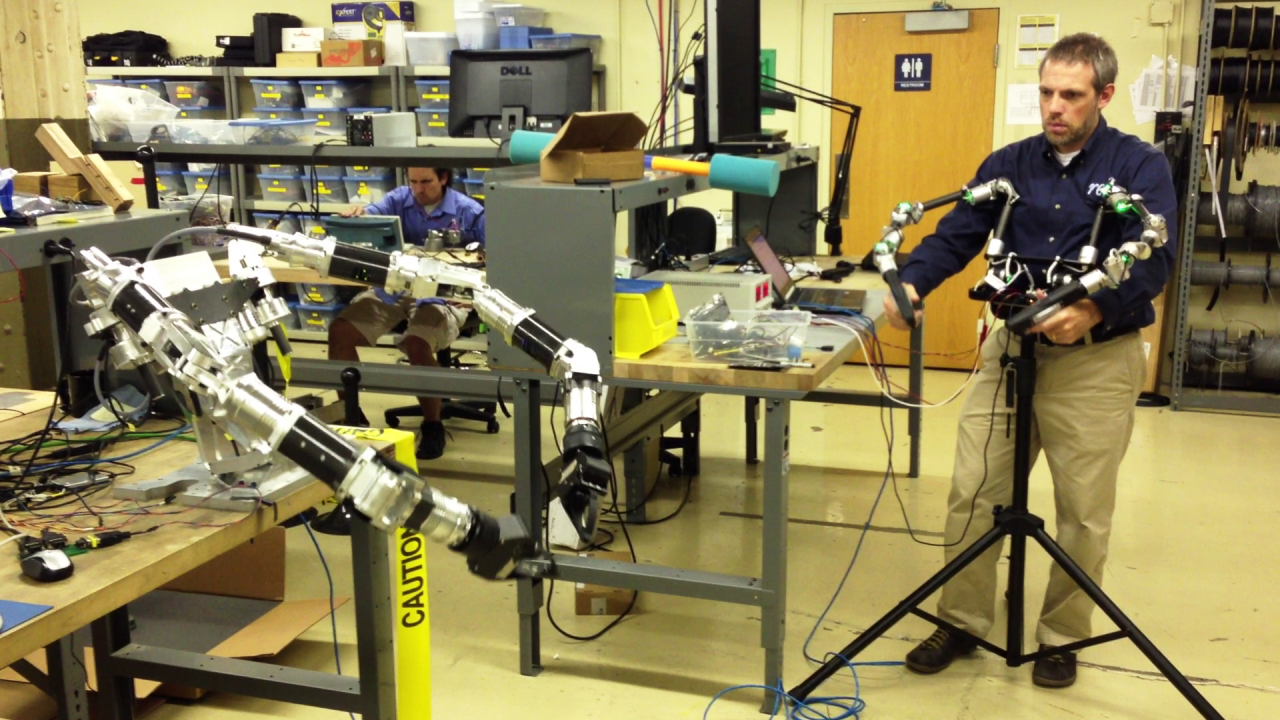
In an era where technology continues to redefine traditional roles, the U.S. Air Force is reaching for the stars—or rather, the skies—with the innovative approach of integrating robotic pilots into their aircraft. This groundbreaking initiative by RE2 Robotics aims to retro-fit existing human-piloted aircraft with autonomous capabilities, marking a monumental step towards automation in aviation.
The Vision of Autonomous Flight
The quest for autonomy in aviation is not entirely new. Companies and defense agencies have long sought to diminish or eliminate human risk factors, especially in military operations. However, RE2’s revolutionary proposal to implement drop-in robotic pilots is set to change the narrative. Rather than demanding complete overhauls and costly integrations, this plug-and-play system allows for swift deployment with minimal disruption.
How It Works: Plug-and-Play Innovation
- Seamless Integration: The heart of this technology lies in its ability to interface with existing human-pilot systems. RE2’s robotic pilots are designed to interact directly with traditional controls and instrumentation without requiring any aircraft modifications.
- Mechanics and Functionality: The system will undergo rigorous testing to validate its capability to handle various flight scenarios using vision-based instrumentation reading and decision-making algorithms.
- Retrofitting Traditional Aircraft: This retrofit robot pilot can be installed without deep technical modifications, which means that aircraft can quickly revert back to human control if necessary, preserving the flexibility of operations in diverse situations.
Benefits Beyond Aircraft: A Universal Solution
But RE2’s ambitions don’t stop with the skies. The team envisions extending robotic autonomy into ground and underwater vehicles as well. By engineering a universal robot that can operate in various environments, RE2 aims to streamline the deployment of automated systems. This multi-domain capability signifies not just efficiency but also substantial cost savings for military operations.
Challenges and Considerations
While the prospect of robot pilots seems enticing, challenges remain. Testing these systems in live conditions will be crucial to ensure safety and effectiveness. Additionally, there are ethical and operational guidelines that the military must consider when deploying autonomous systems in conflict zones.
Looking to the Future
The collaboration between RE2 Robotics and the U.S. Air Force signifies a forward-thinking approach to military aviation. The aim is not solely to achieve autonomous flight but to do so in a manner that retains the capabilities for human oversight. It underscores a harmonious balance between technology and human intervention—a hallmark of modern advancements in AI.
Conclusion: The Impact of Robot Pilots
As RE2 Robotics forges ahead with its innovative approach to autonomous flight, the potential impact on both military and civilian aviation is profound. By integrating robotic pilots that are capable of operating traditional aircraft, we witness a shift towards greater efficiency and adaptability in aviation technology. The journey of transforming the skies is just beginning, and advancements like these pave the way for a future where humans and machines work closely in harmony.
At fxis.ai, we believe that such advancements are crucial for the future of AI, as they enable more comprehensive and effective solutions. Our team is continually exploring new methodologies to push the envelope in artificial intelligence, ensuring that our clients benefit from the latest technological innovations.
For more insights, updates, or to collaborate on AI development projects, stay connected with fxis.ai.