
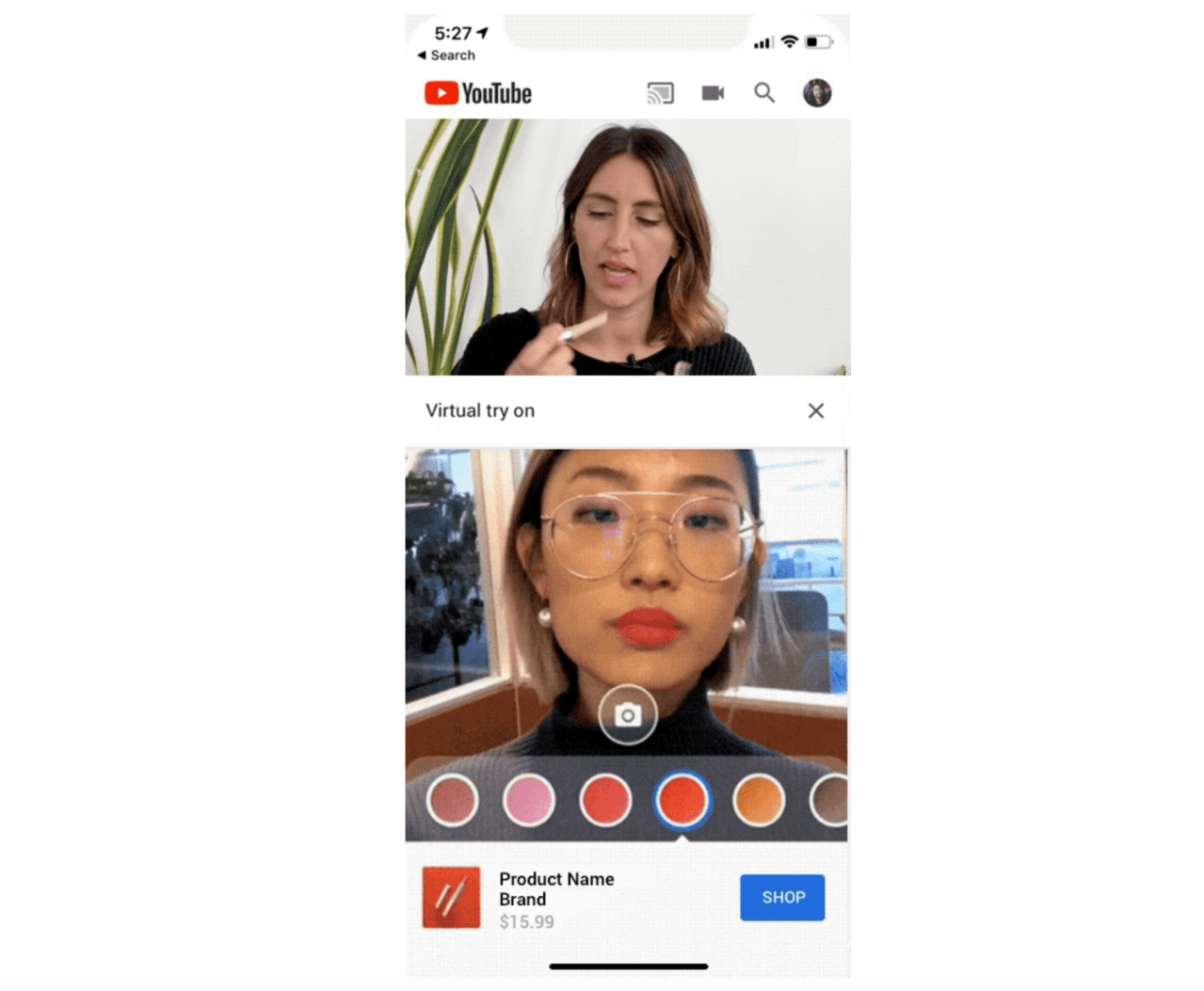
In the ever-evolving world of beauty and technology, YouTube has taken a bold step forward with the unveiling of its new feature, AR Beauty Try-On. With a surge in viewership for makeup tutorials and reviews, this innovative feature taps into the magic of augmented reality (AR) to enhance the viewer experience, allowing users to virtually test makeup products in real-time while consuming aesthetic content. But how does this feature stand apart from existing players in the AR beauty arena, and what does it mean for the future of beauty advertising? Let’s dive in!
The AR Experience: A New Horizon for Makeup Enthusiasts
Imagine watching your favorite beauty influencer apply the latest lipstick shades while simultaneously trying them on your own face. This is precisely what AR Beauty Try-On facilitates. The feature operates in a split-screen format, showcasing the tutorial video above and your own camera feed below, creating an interactive beauty experience. As you watch the expert apply products and share tips, you can explore an array of colors directly on your own face, making the beauty journey more immersive than ever.
Engagement Metrics: The Early Numbers
During its alpha testing phase, YouTube reported surprisingly encouraging statistics. Approximately 30% of users engaged with the AR feature when it was made available, with those who tried it spending an average of over 80 seconds immersed in their virtual beauty trial. The first brand to take the plunge with an AR Beauty Try-On campaign was none other than M·A·C Cosmetics, allowing them to gather valuable real-time analytics on consumer interaction with the feature. These early figures tantalizingly hint at the potential for deeper engagement between brands and consumers.
Comparison with Other AR Beauty Platforms
YouTube is not alone in the AR beauty space. Established apps like YouCam Makeup, Sephora’s Virtual Artist, and Ulta’s GLAMLab have been providing virtual makeup experiences for quite some time. L’Oréal has even collaborated with social media platforms to offer similar features. So, how does YouTube differentiate itself? The key lies in the dual-purpose innovation of this AR rollout; it’s not merely a fun tool—it’s also an advertising campaign powerhouse. This feature transforms traditional beauty advertisements into captivating interactive experiences that drive engagement while fostering beauty discovery.
Broader Advertising Changes on YouTube
Moreover, the introduction of the AR Beauty Try-On aligns with Google’s broader strategy of enhancing advertising capabilities. Alongside this feature, YouTube has launched an immersive display format called Swirl, which allows brands to showcase products in a 360-degree view. This innovative approach redefines consumer interaction with ads, encouraging viewers to engage more deeply with the product. By providing brands the tools to create interactive experiences, Google is asserting itself as a leader in advertising innovation.
Conclusion: The Future of Beauty and Technology
YouTube’s AR Beauty Try-On is not just a novelty; it’s a glimpse into a future where technology seamlessly integrates with beauty. As the feature continues to evolve, it holds the promise of creating more personalized and engaging experiences for beauty enthusiasts. With brands investing in this technology, the potential for enhanced consumer engagement is vast, and it paves the way for reimagined advertising strategies in the beauty industry.
At fxis.ai, we believe that such advancements are crucial for the future of AI, as they enable more comprehensive and effective solutions. Our team is continually exploring new methodologies to push the envelope in artificial intelligence, ensuring that our clients benefit from the latest technological innovations. For more insights, updates, or to collaborate on AI development projects, stay connected with fxis.ai.