
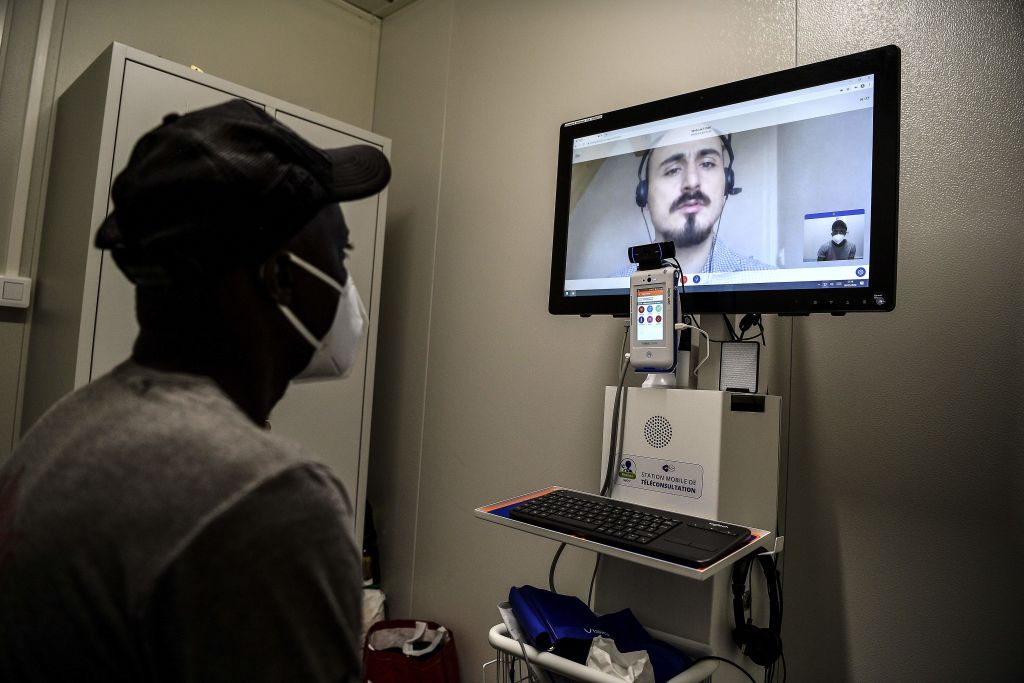
The healthcare industry has long been seen as a vast, intricate maze. However, recent events have thrown a magnifying glass over its complexities, revealing an urgent need for innovation. With rising healthcare costs, an aging population, and the pressures of regulation, the healthcare landscape is ripe for disruption, especially in the B2B infrastructure segment. Investment trends are shifting, and this shift highlights how technology can revolutionize patient care, streamline processes, and enhance accessibility.
The Timely Impact of COVID-19
The COVID-19 pandemic served as a catalyst for change, igniting unprecedented growth in telemedicine, digital health tools, and health-tracking applications. Healthcare providers and businesses that once resisted technology were forced to adapt—or risk obsolescence. The silver lining? This transition spotlighted the critical importance of robust B2B infrastructure in the healthcare sector which had long been neglected.
- Operational Efficiency: The pandemic stressed the need for data and automation within health systems. Companies now realize that these technological advancements are not just optional; they are crucial for maintaining efficient operations.
- Consumer-Centric Models: Patients today expect healthcare delivery to mirror their experiences with tech-driven services. As consumers embrace remote care options, providers must offer streamlined, user-friendly interfaces.
Key Investment Trends in Healthcare B2B Infrastructure
Analyzing where top venture capitalists (VCs) are placing their bets reveals several emerging themes:
- Data Interoperability: As daunting as it sounds, the dream of interoperable systems where patient data flows seamlessly between providers and payers is inching closer. Companies like Notable Health exemplify how robotic process automation (RPA) and open data can redefine the communication landscape.
- Decentralized Care: The need for decentralized healthcare solutions has gained more traction. Companies focusing on at-home health solutions, such as firefly or LetsGetChecked, are reshaping how care is delivered.
- Wearable Technology: The rise of wearables is shifting perception from luxury to necessity, particularly for high-risk populations. Safety is becoming paramount as wearables play a vital role in remote patient monitoring.
- The Necessity of Universal Patient IDs: A universal patient ID that respects privacy while fostering seamless exchanges of information could revolutionize healthcare. The Apple-Google partnership for COVID contact tracing offers a glimpse into what’s possible.
Challenges and Opportunities in Healthcare Infrastructure
Despite the optimism surrounding these emerging technologies, challenges remain entrenched:
- Regulatory Hurdles: The tangled web of regulations often stifles innovation, hindering swift implementation of groundbreaking technologies.
- Fragmentation: The current healthcare ecosystem often resembles isolated islands, making it difficult to scale solutions across disparate systems. End-to-end renovations are necessary for true efficiency.
The Road Ahead
As we look to the future, it’s clear that healthcare will continue its digital transformation. While investment in traditional health systems may experience hesitance post-COVID, new ventures focused on innovative technologies are expected to flourish. The need for scalable, effective solutions has never been greater, paving the way for startups equipped to meet this demand. Investment in the infrastructure supporting healthcare will drive progress toward more efficient, accessible, and affordable care for everyone.
Conclusion
The healthcare landscape is evolving in response to unprecedented challenges, revealing significant opportunities for investment and growth in B2B infrastructure. With a focus on interoperability, consumer-centric models, and the adoption of innovative technologies, the future of healthcare promises to mirror the efficiency and effectiveness of the best consumer experiences. As we witness these changes unfold, being part of this transformation is crucial to address the pressing challenges of today.
At **[fxis.ai](https://fxis.ai/edu)**, we believe that such advancements are crucial for the future of AI, as they enable more comprehensive and effective solutions. Our team is continually exploring new methodologies to push the envelope in artificial intelligence, ensuring that our clients benefit from the latest technological innovations. For more insights, updates, or to collaborate on AI development projects, stay connected with **[fxis.ai](https://fxis.ai/edu)**.