
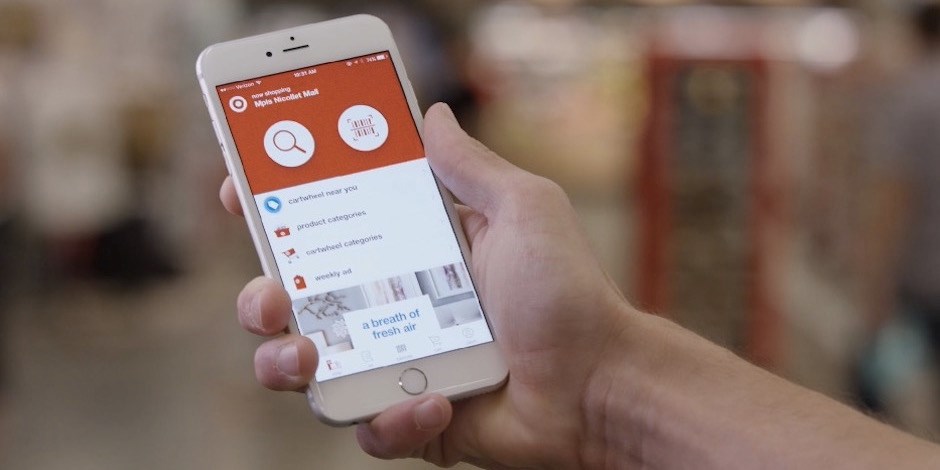
The retail landscape is shifting dramatically as technology continues to redefine the shopping experience. Among the pioneers is Target, which has recently introduced an innovative feature called “See It In Your Space” on its mobile website. This feature leverages augmented reality (AR) technology to help consumers visualize how furniture and décor items will fit into their homes before making a purchase. Let’s explore how this technology is changing the way we shop and what it means for the future of retail.
An Engaging Shopping Experience
The introduction of AR features such as “See It In Your Space” transforms the mundane process of shopping into an interactive and personalized experience. By using their smartphone camera, shoppers can view select “Project 62” home products in their own living space. This capability allows consumers to manipulate the product’s size, scale, and orientation, creating a custom visual that is both engaging and informative.
- No Special Equipment Needed: One of the key advantages of this feature is its accessibility. Shoppers don’t need additional hardware or apps; they simply interact with the Target mobile site to activate the AR experience.
- Simplified Shopping Decisions: The ease of visualizing products in one’s home can significantly boost consumer confidence, reducing the chances of order returns caused by products not meeting expectations.
- Expanding Product Range: Initially available for 200 products, Target plans to integrate this AR feature into hundreds more by year-end, expanding to thousands by 2018. This remarkable growth signifies a commitment to enhancing customer experience.
The Technology Behind the Magic
The “See It In Your Space” feature was developed in-house using WebGL technology, allowing for seamless rendering of interactive graphics directly in the browser. This technical innovation simplifies the AR experience, ensuring a user-friendly platform for consumers across the board. The focus on mobile as a first platform reflects the shifting behavior of shoppers towards quick, on-the-go purchasing. As a spokesperson for Target noted, “We felt like it was a really straightforward experience.”
Competitive Landscape
Target isn’t going it alone in the realm of augmented reality. Other furniture retailers, such as Wayfair and IKEA, have already made strides in integrating similar technologies into their customer experiences. The debut of Apple’s ARKit has also opened up new possibilities for AR in shopping applications. However, while some brands, like Amazon, dabble in AR stickers that often lack practicality, Target’s approach is aimed at functionality and user needs.
The Broader Implications of AR in Retail
As AR technology continues to evolve, its impact on retail is set to grow exponentially. With tools for enhanced visual shopping experience becoming more commonplace, consumers are likely to expect such capabilities from all retailers. This shift towards AR in retail also raises significant implications for how brands approach marketing and sales. A visually-driven online environment could lead to more visually appealing branding strategies and advertising campaigns.
Conclusion: The Future of Shopping is Here
Target’s foray into augmented reality shopping signifies a broader trend of blending technology with everyday consumer experiences. As the “See It In Your Space” feature gains traction, it promises to redefine how we approach online purchasing decisions, making shopping more interactive and critical for informed consumer choices.
At **[fxis.ai](https://fxis.ai/edu)**, we believe that such advancements are crucial for the future of AI, as they enable more comprehensive and effective solutions. Our team is continually exploring new methodologies to push the envelope in artificial intelligence, ensuring that our clients benefit from the latest technological innovations.
For more insights, updates, or to collaborate on AI development projects, stay connected with **[fxis.ai](https://fxis.ai/edu)**.