
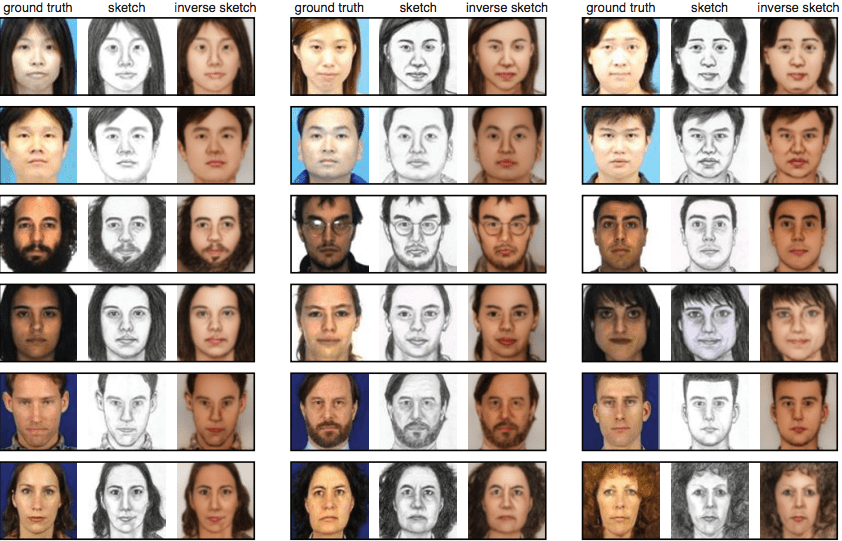
In a world increasingly captivated by artificial intelligence, the idea of transforming a simple sketch into a stunning, photorealistic image is nothing short of magical. Researchers at Radboud University in the Netherlands have embarked on a groundbreaking endeavor using neural networks to invert face sketches into lifelike images. This innovative method, framed under the title of Convolutional Sketch Inversion, reveals inspiring implications across various fields—from fine arts to forensics. Let’s dive deeper into this fascinating development.
The Journey Behind Neural Networks
The process to metamorphose sketches into photos begins by leveraging deep neural networks. It draws upon a technique familiar to many: neural style transfer. This intriguing concept, which allows an image to be reimagined in the style of a famous artwork, fueled the creativity of the researchers. Inspired by a unique manifestation of Van Gogh’s iconic painting “The Starry Night,” the scientists turned their attention to what an art piece would look like if transformed into a realistic photograph.
How Does it Work?
At the core of this technology lies a structured yet complex training method for the neural network. Here’s how the process unfolds:
- Building the Dataset: The researchers amassed a massive collection of paired sketches and corresponding photographs from publicly available datasets.
- Feedback and Adjustment: The neural network initially attempts to convert sketches into photographs. When the output fails to meet expectations, feedback is given, allowing the network to adjust its method.
- Repetition for Improvement: This feedback loop serves as a vital component. Through countless iterations, the model learns to enhance the quality of output images until they closely resemble the original photographs in the dataset.
Real-World Applications
The implications of this research are vast and intriguing. Here are some of the areas where such technology could make significant contributions:
- Fine Arts: Artists could convert their sketches into photorealistic representations, creating a bridge between the initial concept and a polished piece of art.
- Forensics: Eyewitness sketches can be transformed into images that aid law enforcement and enhance facial recognition technology.
- Entertainment: Imagine using this technology to adapt character designs in films or video games into realistic portrayals.
Future of Sketch-to-Photo Technology
The researchers, particularly PhD students Yağmur Güçlütürk and Umut Güçlü, are now pursuing avenues to commercialize their innovation. Their spinoff company, Neurant, is already laying the groundwork to bring these applications to market, promising an exciting future for this cutting-edge technology.
Conclusion
The ability to turn a mere sketch into a lifelike photograph exemplifies the awe-inspiring advancements in AI technology. This exploration not only encourages innovative utilization in arts and forensics but also paves the way for further developments in machine learning. As researchers continuously enhance these algorithms, the potential applications become limitless, allowing us to reinterpret creativity in altogether new ways.
For more insights, updates, or to collaborate on AI development projects, stay connected with fxis.ai. At fxis.ai, we believe that such advancements are crucial for the future of AI, as they enable more comprehensive and effective solutions. Our team is continually exploring new methodologies to push the envelope in artificial intelligence, ensuring that our clients benefit from the latest technological innovations.