
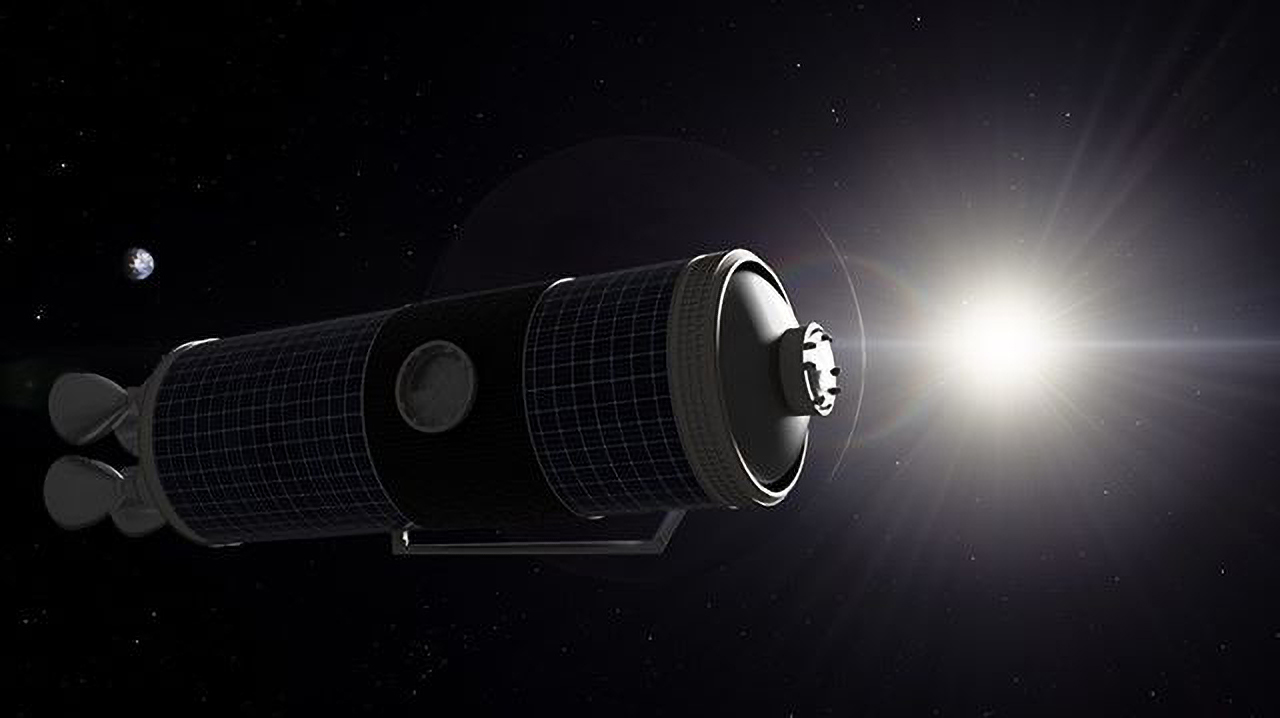
In the realm of space exploration, innovation is the heartbeat that drives us forward. As we pivot toward a more sustainable future in orbit, the collaboration between Nanoracks and SpaceX promises revolutionary changes. Scheduled for late 2020, their mission will explore how used spacecraft components can be repurposed into orbital habitats—opening the door to a new era in commercial space travel and research.
The Vision: Recycling Spacecraft into Habitats
Nanoracks is embarking on an ambitious journey with its “Space Outpost Program,” which aims to transform existing orbital materials into functional research stations and habitats. By utilizing upper stages of decommissioned spacecraft, which are often referred to as “space tugs,” Nanoracks plans to initiate the first-ever demonstration of structural metal cutting in space.
- Cost-Effective Solutions: By repurposing discarded materials, Nanoracks aims to significantly lower the costs associated with establishing in-space stations. This not only makes such facilities more accessible to commercial space companies but also fosters a spirit of collaboration and innovation.
- A Step Toward the Future: The demonstration holds potential far beyond mere recycling. It paves the way for developing the necessary infrastructure for more ambitious missions to destinations like the Moon and Mars.
The Technology: Cutting Edge Meets the Cosmos
The key technology at the center of this mission is a robot designed to cut metal materials similar to those used in spacecraft upper stages. This pioneering method will demonstrate how materials from space vehicles can be actively repurposed. If successful, it could become a crucial technology not only for maintaining permanent research facilities in Earth’s orbit but also for facilitating human presence on other planets.
Creating Habitats in Orbit
The implications of this initiative are profound. Think of it: habitats orbiting our planet, constructed from materials that would otherwise be left to drift in space. Such advancements could redefine our approach to living and researching in orbit:
- Research Accessibility: Broader access to orbital platforms for research can lead to unprecedented scientific advancements across numerous fields.
- In-Space Manufacturing: Establishing manufacturing capabilities in space would enable the construction of larger structures, potentially altering how mission architecture evolves.
Past Achievements: Building Credibility
Nanoracks is no stranger to the space industry; it has consistently proven its ability to deliver on its promises. Founded in 2009, it became the first company to own and operate its hardware on the International Space Station. Now, with NASA’s backing, the upcoming demonstration mission signals a turning point in commercial space history.
Looking Ahead: Navigating the Unknown
The future is uncertain, and while the mission’s timeline may change, the enthusiasm around this bold initiative remains unyielding. The potential impact of successfully demonstrating these capabilities cannot be overstated; it stands to revolutionize how we engage with space.
Conclusion: A Leap into Space Innovation
As we stand on the brink of this groundbreaking initiative, it’s clear that the fusion of technology and creativity is the path to success. The partnership between Nanoracks and SpaceX embodies the quest for sustainable and scalable solutions in space exploration. Not just for today, but for generations to come. At fxis.ai, we believe that such advancements are crucial for the future of AI, as they enable more comprehensive and effective solutions. Our team is continually exploring new methodologies to push the envelope in artificial intelligence, ensuring that our clients benefit from the latest technological innovations.
For more insights, updates, or to collaborate on AI development projects, stay connected with fxis.ai.