
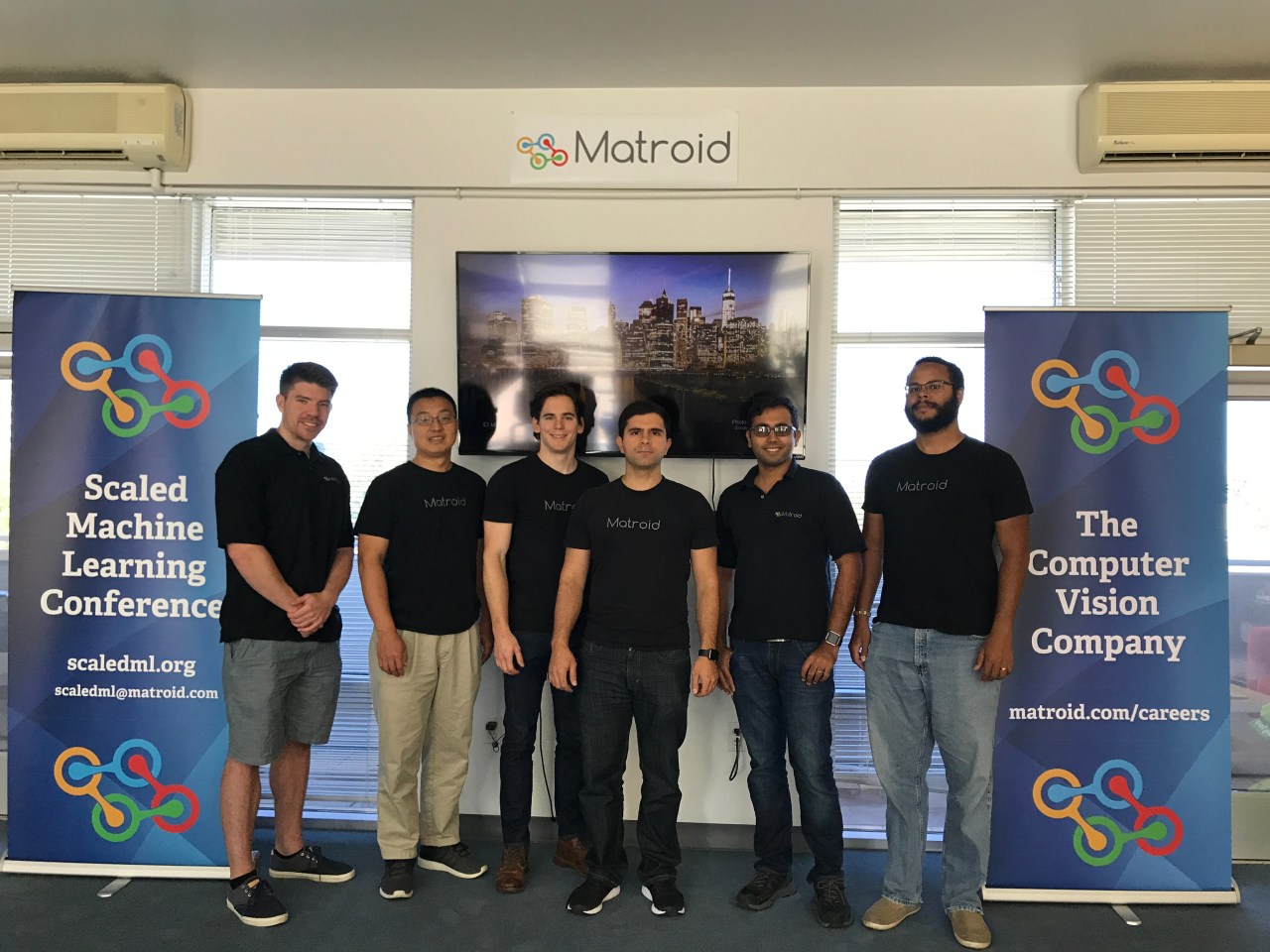
The landscape of video monitoring is changing, thanks to advancements in computer vision and object recognition. No longer is the task of manually monitoring closed-circuit television (CCTV) cameras a necessary evil; instead, automation is stepping in to relieve humans from this monotonous chore. At the forefront of this revolution is Matroid, a pioneering startup that recently secured $10 million in Series A funding, raising its total financing to $13.5 million. With backing from venture capital powerhouse NEA and tech giant Intel Capital, Matroid is setting the stage for a significant leap in how we harness machine intelligence in video monitoring.
Democratizing Video Recognition
What makes Matroid stand out in the tech landscape is its approach to video recognition. The startup offers a web platform that allows users to create custom video detectors tailored to their specific needs. This democratized method enables companies to utilize their own videos and images to train the detectors, making it accessible even for those lacking extensive resources or technical expertise. Unlike conventional object recognition APIs that often operate under a one-size-fits-all model, Matroid empowers users to define exactly what they want to monitor within their video streams.
Commercial Ventures: Security and Media Markets
Founder Reza Zadeh has pinpointed two primary markets for commercialization: security and media. In the security sector, Fortune 500 companies have a vested interest in monitoring their brands and key personnel on television channels. This need is elegantly addressed by tools like Face-O-Matic, particularly relevant in the political arena. On the other hand, businesses are increasingly recognizing the value of a vigilant surveillance assistant to monitor extensive CCTV footage, flagging abnormalities and anomalies for further review.
Partnering with Tech Giants
The recent funding is also an opportunity for Matroid to collaborate with Intel on executing computer vision tasks across their chips. Rather than venturing into the crowded field of hardware development, Matroid is strategically embedding itself within the existing hardware ecosystem. This shift not only enhances their operational model but also aligns with Zadeh’s belief that hardware development often leads to a “race to the bottom.” As cameras evolve, they will increasingly possess the capability to decipher their surroundings, suggesting that the future belongs to those who can enhance software and analytics.
The Role of Community and Collaboration
Zadeh’s connections as a Stanford professor have facilitated the creation of a robust community around Matroid. His Scaled Machine Learning conference has successfully brought together brilliant minds from leading companies such as Google, Intel, NVIDIA, and OpenAI. This collaborative atmosphere fosters the development of shareable detectors, enhancing the Matroid platform and enriching user experience.
Conclusion: A Future Fuled by Automation
As we look ahead, Matroid’s innovations promise to reshape the contours of video monitoring. By combining cutting-edge technology with a user-centric philosophy, the company is not only simplifying tasks but also enhancing security and media monitoring processes. As the demand for efficient vigilance grows, companies like Matroid will play a critical role in adapting these options to the ever-evolving digital landscape. At fxis.ai, we believe that such advancements are crucial for the future of AI, as they enable more comprehensive and effective solutions. Our team is continually exploring new methodologies to push the envelope in artificial intelligence, ensuring that our clients benefit from the latest technological innovations. For more insights, updates, or to collaborate on AI development projects, stay connected with fxis.ai.