
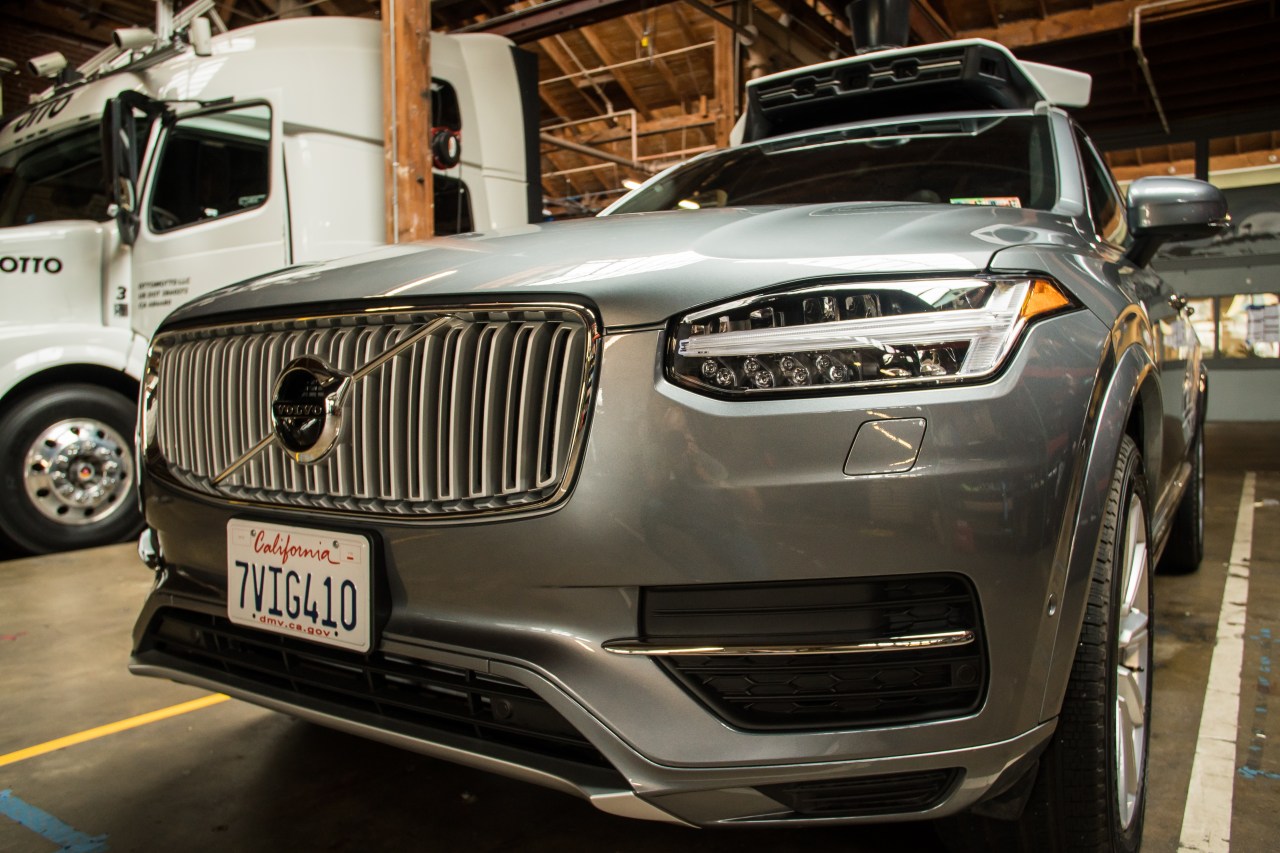
The trajectory of autonomous driving technology has been a rollercoaster ride, as companies like Uber navigate through legal, regulatory, and ethical considerations. One pivotal moment was back in 2017 when Uber sought a permit to test its self-driving vehicles again in California. This move was not merely about re-entering the market but a testament to Uber’s commitment to revolutionizing transportation through technological advancements.
The Setback and Shift in Focus
Uber began testing its self-driving Volvo XC90 SUVs in San Francisco, an ambitious move that quickly faced opposition from the California Department of Motor Vehicles (DMV). Why? They hadn’t secured the necessary permit required for testing autonomous vehicles. This misstep did not deter Uber; instead, it transitioned its testing operations to Arizona, where regulations were less stringent and welcomed Uber’s innovative approach.
Restoration of California Dreams
- Post-Regulatory Hardship: Despite the regulatory hurdles, Uber remained vocal about its commitment to California, eventually resuming the dialogue with the DMV to reinstate its testing permissions.
- Mapping, Not Picking Up: In a strategic shift, Uber utilized its self-driving fleet not for passenger transport but for city mapping. This step not only was a clever workaround but also contributed to enhancing local maps for a future laden with autonomous vehicles.
- Permitting Process: While Uber’s initial stance was that they didn’t require permits, the changing landscape forced them to consider legalities seriously. Their proactive steps in engaging with the DMV indicated a readiness to adapt and comply with evolving regulations.
The Turning Tide in Autonomous Vehicle Testing
This episode with Uber serves as a case study reflecting broader trends in the autonomous vehicle industry. As regulatory frameworks become more robust and well-defined, companies must align their strategies to navigate both challenges and opportunities effectively.
Moreover, Uber’s efforts illustrate the complexities involved in regulatory compliance while innovating. In a space where technology outpaces legislation, collaboration with authorities becomes critical to ensure a successful integration of self-driving vehicles into everyday life.
Looking to the Future
The initial challenges faced by Uber during its quest for self-driving vehicle testing in California have since paved the way for more sophisticated regulatory discourse. As companies like Uber continue to push the boundaries of what is possible, it underscores the necessity for an adaptable regulatory environment that can accommodate rapid technological advancements.
Conclusion
Uber’s pursuit of a self-driving test permit in California is more than a business strategy; it’s an exploration of the future of transportation. The lessons learned from navigating through tough regulations and public sentiment can guide other companies in the autonomous driving sphere as they forge ahead. As we stand on the brink of a new era in transport, user safety must remain at the forefront of innovation in the autonomous landscape.
At **[fxis.ai](https://fxis.ai/edu)**, we believe that such advancements are crucial for the future of AI, as they enable more comprehensive and effective solutions. Our team is continually exploring new methodologies to push the envelope in artificial intelligence, ensuring that our clients benefit from the latest technological innovations.
For more insights, updates, or to collaborate on AI development projects, stay connected with **[fxis.ai](https://fxis.ai/edu)**.