
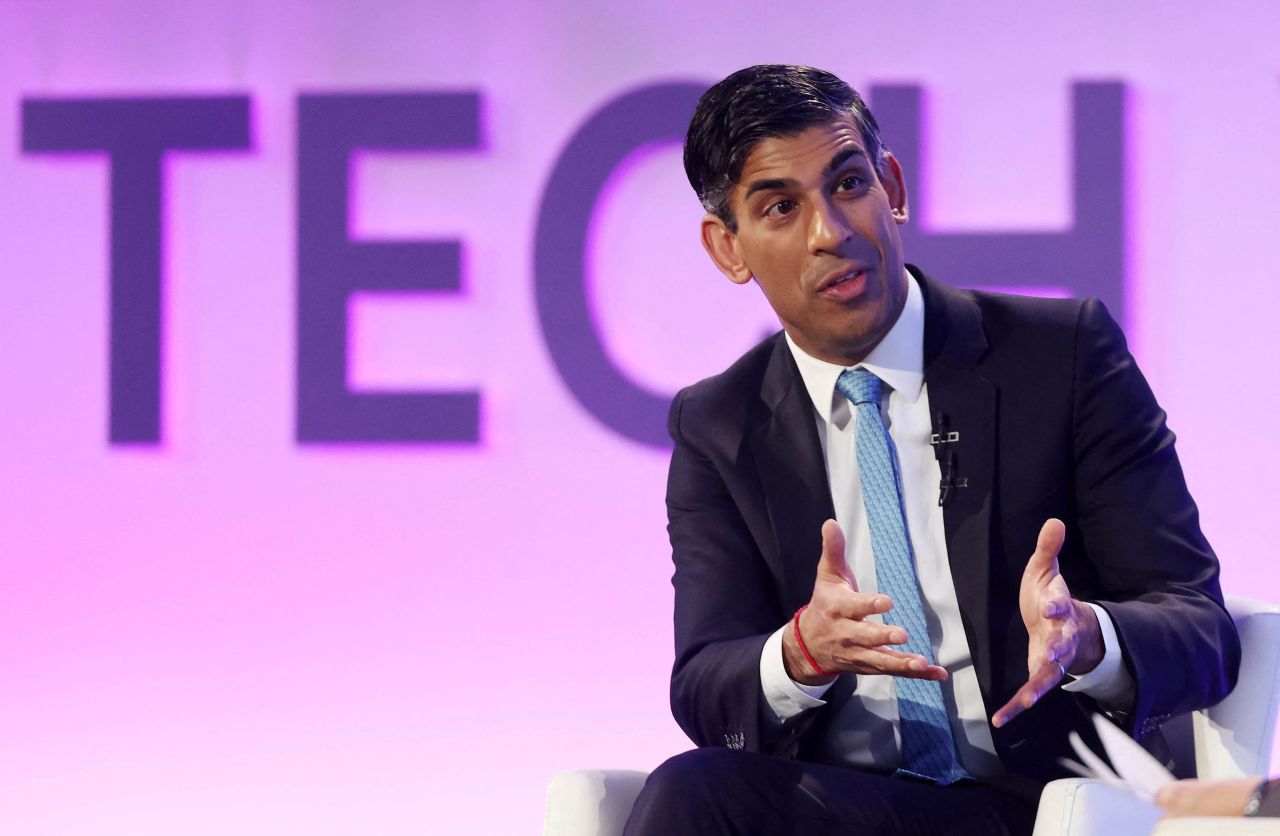
The future of artificial intelligence (AI) in the United Kingdom is poised for considerable advancement as the government reveals its extensive plan, with a budget exceeding £100 million (approx. $125 million) dedicated to fostering responsible AI research and development. Following a consultation initiated last March, the UK’s Department for Science, Innovation, and Technology (DSIT) is not just signaling a commitment but is also delineating a bold vision for leading the world in AI innovation while ensuring safety and accountability.
A Context-Specific Regulatory Framework
Rather than rushing to introduce new legislation, the UK government is opting for a more measured, context-specific approach. As per DSIT’s announcement, this strategy intends to leverage existing legal frameworks along with enhanced guidance tailored to the nuanced challenges posed by AI technologies. The focus is clear: to empower current regulators, enabling them to manage the rapid development of AI responsibly without becoming bogged down by rigid, outdated rules.
Key Funding Initiatives for Innovation
The funding strategy is divided predominantly into two areas: regulatory capacity building and nurturing homegrown AI innovation.
- Enhancing Regulatory Skills: A significant slice of the budget, £10 million, is earmarked for upskilling regulators, allowing them to adapt to the sophisticated challenges posed by AI technologies. This initiative is crucial as it encourages the development of tools and methodologies that regulators will need to scrutinize AI applications effectively.
- Fostering Research Hubs: The lion’s share of £90 million will fund the establishment of nine AI research hubs across the UK. These hubs are strategically intended to stimulate AI applications in critical sectors such as healthcare, mathematics, and chemistry, marking a definitive move towards bolstering domestic AI capabilities.
The Balancing Act: Innovation vs. Regulation
This funding plan highlights a firm belief in innovation as a driving force for economic growth while maintaining a cautious approach to regulation. The DSIT has articulated the importance of establishing a potential legal framework that evolves alongside AI technologies. Speaking on this, Secretary of State Michelle Donelan acknowledged the future necessity for binding measures to hold large-scale AI developers accountable, particularly as AI capabilities become more integral to society.
Collaborative Efforts: An International Perspective
In an increasingly interconnected world, the UK is not working in isolation. Collaborations with international partners, particularly the United States, are planned to improve joint efforts in developing responsible AI systems. As mentioned by DSIT, the aim is to leverage shared knowledge and methodologies to create safer and more trustworthy AI technologies, fostering a global environment of cooperation in this fast-evolving domain.
Conclusion: Paving the Way for AI’s Responsible Future
The UK government’s fresh approach to AI regulation seeks to nurture innovation while ensuring safety and accountability. As the new funding initiatives roll out, the emphasis on developing skills for regulators and building domestic research capacity reflects a commitment to harnessing the transformative potential of AI for the betterment of society.
In a landscape where both innovation and regulation are crucial, the challenge will be to foster an environment that stirs creativity while addressing the ethical implications of advanced AI technologies. The careful balance that the UK aims to achieve could serve as a model for other nations grappling with similar dilemmas.
At fxis.ai, we believe that such advancements are crucial for the future of AI, as they enable more comprehensive and effective solutions. Our team is continually exploring new methodologies to push the envelope in artificial intelligence, ensuring that our clients benefit from the latest technological innovations.
For more insights, updates, or to collaborate on AI development projects, stay connected with fxis.ai.